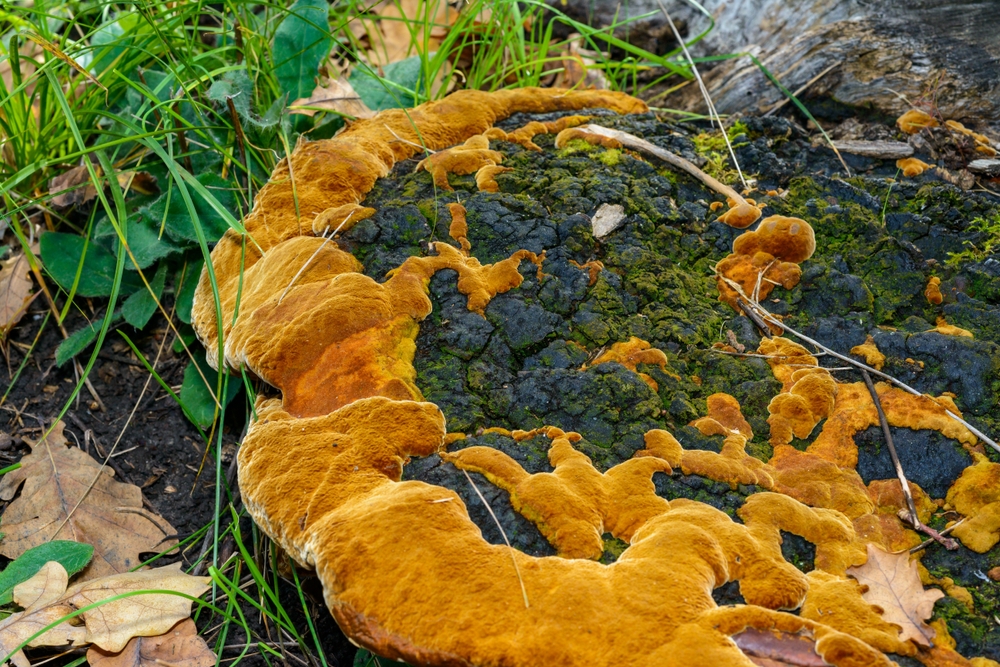
One week your peppers look fine, and the next week an entire section of the bed collapses like someone flipped a switch. In Texas, that “sudden wipeout” pattern is often tied to heat, humid nights, and a pathogen that hangs out in the soil waiting for the perfect moment—often southern blight (Sclerotium rolfsii). The frustrating part is how fast it moves when conditions line up, especially in thick mulch, tight spacing, and constantly damp root zones. The good news is you can reduce the risk without expensive chemicals, and you can do it with better habits you’ll use every season. If you suspect a soil-borne fungus is targeting your beds, a few practical changes can save the next planting.
1. Heat-Stressed Plants Leave The Door Open
Texas heat pushes plants to their limits, and stressed plants can’t defend themselves well. When roots struggle, small wounds and weak tissue become easy entry points for disease. Add warm nights, and plants don’t get the recovery window they need to rebuild. Overwatering to “help” can backfire by keeping the root zone damp for too long. A bed can look healthy until stress stacks up, and then the collapse feels instant.
2. How A Soil-Borne Fungus Spreads Fast
A soil-borne fungus doesn’t need bugs or wind to ruin your week, because it can spread through soil contact and infected plant debris, including southern blight (Sclerotium rolfsii). It often flares when soil stays warm and moist, which is common in Texas during long hot stretches with heavy watering. You may spot sudden wilting, yellowing, or a plant that looks thirsty even right after irrigation. In some cases, there’s white, webby growth near the soil line and tiny seed-like pellets on the stem or soil surface. Once it’s active, it can jump from plant to plant when foliage and stems touch damp mulch or contaminated soil.
3. Raised Beds Don’t Block It (And Sometimes Help It)
Raised beds feel like a clean start, but they don’t automatically protect you from a soil-borne fungus. If you reuse old soil, bring in contaminated compost, or top off with mulch that stays wet, you can still invite trouble. Beds also warm up faster than in-ground soil, which can speed pathogen growth during hot spells. Tight planting in raised beds makes it easier for stems to rest against damp surfaces, especially after watering. The fix isn’t ditching raised beds, it’s managing moisture, spacing, and sanitation like it’s part of the build.
4. The Moisture Trap: Drip Lines, Mulch, And Clay
Drip irrigation is efficient, but it can keep a narrow band of soil constantly damp if you run it too often. In many Texas yards, clay underneath or around a bed slows drainage and creates a “wet sponge” layer near the roots. Thick mulch helps with heat, but it can also trap humidity right where stems meet soil if it’s piled high. That’s when a soil-borne fungus thrives, because it loves warm, moist, low-airflow conditions. The goal is deep, less frequent watering that dries a bit between cycles, plus mulch pulled back from plant crowns.
5. Cheap Prevention That Actually Works
Prevention starts with simple hygiene: remove dead leaves, pull sick plants quickly, and don’t compost obviously infected stems and roots. Use wider spacing than you think you need, because airflow is a bigger deal than perfect “full bed” aesthetics. Rotate plant families when possible, since repeating the same crop in the same spot can keep the problem cycling. A thin layer of compost is great, but avoid burying crowns and avoid creating a constantly wet surface right at the stem. If a soil-borne fungus is common in your area, consider solarizing an empty bed in peak summer with clear plastic to knock pathogen levels down.
6. What To Do When A Bed Is Already Failing
When a plant collapses fast, treat it like an emergency and remove it with a wide scoop of surrounding soil. Bag the plant and the removed soil, and don’t shake dirt around the bed, because that spreads contamination. Clean tools with soap and water, then sanitize them before digging elsewhere. Cut back watering for the remaining plants and pull mulch away from stems to let the surface dry. If a soil-borne fungus is clearly involved, replanting the same crop in the same hole right away is usually a losing bet.
Texas Beds Can Bounce Back
A wiped-out bed feels personal, but a soil-borne fungus is really just taking advantage of warm, wet, crowded conditions. Focus on what you can control: spacing, irrigation timing, mulch placement, and fast removal of failing plants. When you rebuild, start with clean inputs, avoid overwatering, and treat airflow like a necessity, not a luxury. Small upgrades like drip timers, lighter mulch layers, and rotating crops can prevent repeat losses without adding big costs.
What’s the fastest you’ve ever seen a garden bed go downhill, and what do you think triggered it?
What to Read Next…
Why Your Compost Bin Could Be Breeding a Fungus That Kills Seedlings
This Winter Gardening Habit Is Spreading Mold and Root Rot, Experts Warn
Experts Say Houseplant Soil Mix Is Causing Gnat Infestations
This One Winter Gardening Habit Could Be Spreading Invasive Pests Across the South
Why Stopping Lawn Care Too Early Could Invite Pests and Fungus

Catherine is a tech-savvy writer who has focused on the personal finance space for more than eight years. She has a Bachelor’s in Information Technology and enjoys showcasing how tech can simplify everyday personal finance tasks like budgeting, spending tracking, and planning for the future. Additionally, she’s explored the ins and outs of the world of side hustles and loves to share what she’s learned along the way. When she’s not working, you can find her relaxing at home in the Pacific Northwest with her two cats or enjoying a cup of coffee at her neighborhood cafe.
Leave a Reply