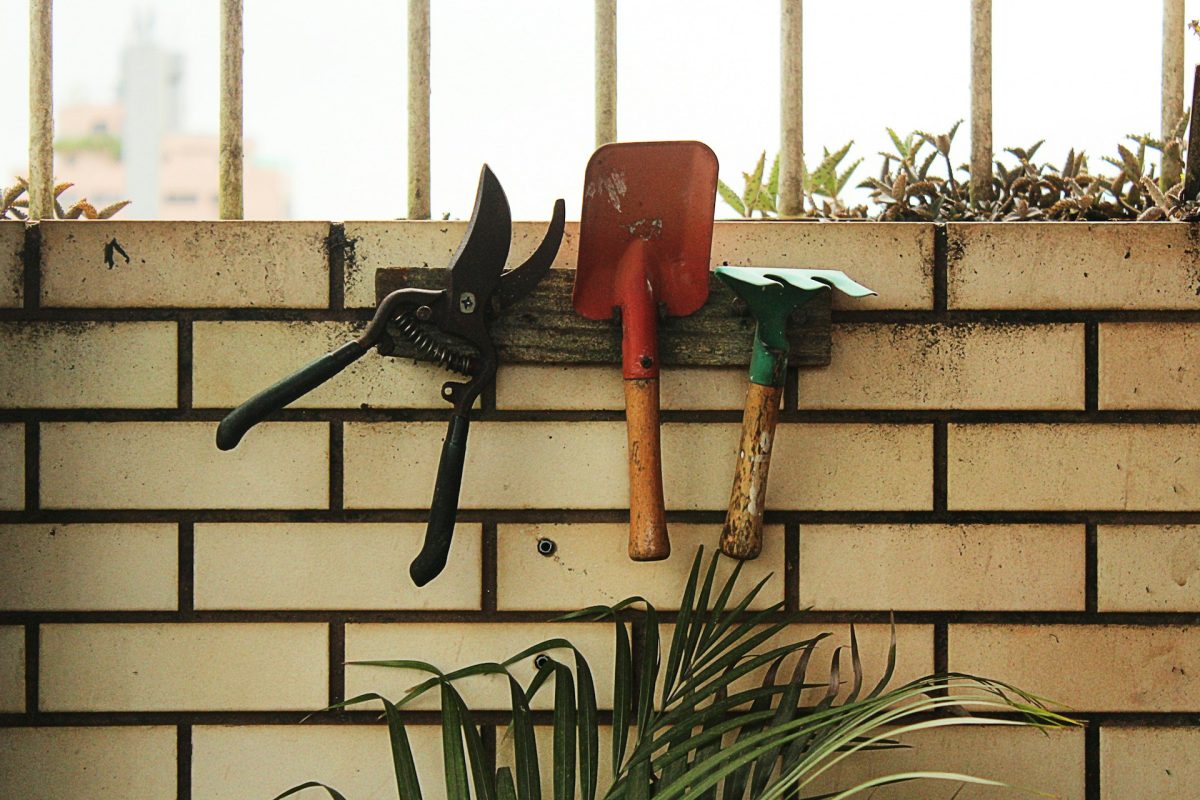
Your garden might look peaceful, but every snip of your pruning shears can unleash a microscopic chain reaction that reshapes it for months. That innocent pair of blades in your hand can act like a shuttle bus for pathogens, moving disease from one plant to the next with ruthless efficiency.
Gardeners obsess over sunlight, soil quality, fertilizer schedules, and watering techniques, yet many overlook the single habit that undermines all that effort. A quick trim here, a tidy cut there, and suddenly a thriving bed of tomatoes or roses starts to decline. The culprit often hides in plain sight: the same tool you trust to keep everything healthy and beautiful.
The Cut That Connects Everything
Pruning shears, loppers, and garden knives slice directly into living tissue, and that fact alone explains why they hold so much power. When you cut a stem or branch, you open a fresh wound that exposes the plant’s internal tissues. Bacteria, fungi, and viruses need an entry point, and a clean cut offers exactly that. If you move from one plant to another without cleaning your blades, you carry sap, plant juices, and microscopic pathogens along for the ride.
Plant pathologists have documented this pattern for decades. Fire blight, caused by the bacterium Erwinia amylovora, spreads easily through contaminated pruning tools among apples and pears. Bacterial wilt and various fungal cankers hitchhike on steel blades that look spotless to the naked eye. Viral diseases in tomatoes and peppers can also travel through contaminated tools when gardeners prune, stake, or pinch growth. The transfer does not require visible residue or dramatic damage; it only takes a microscopic smear of infected sap.
Why Pruning Shears Become Unintentional Carriers
Garden tools do not look dirty in the traditional sense after a few cuts. The blades may appear shiny, especially if you wipe them on a pant leg or a rag. That quick swipe feels productive, but it does nothing to eliminate bacteria or fungal spores. Pathogens cling to the metal surface and survive long enough to infect the next plant you touch.
Many plant diseases thrive in warm, moist conditions, and fresh plant sap provides both moisture and nutrients. Fungal spores such as those responsible for Botrytis or various anthracnose diseases germinate quickly once they reach a susceptible host. Bacterial pathogens multiply rapidly inside plant tissue after entry. When you move from a diseased branch to a healthy one without disinfecting your tool, you essentially inject trouble into a fresh wound.
Timing also matters. Gardeners often prune multiple plants in a single session, especially in spring and early summer when growth explodes. During that busy window, diseases also ramp up their activity. Fire blight spreads aggressively during warm, humid conditions. Tomato bacterial spot intensifies in wet weather. If you prune in those conditions and skip sanitation, you amplify the risk dramatically.
The Science Behind the Spread
Researchers in horticulture and plant pathology have repeatedly demonstrated tool-mediated transmission. Experts advise gardeners to disinfect pruning tools between cuts when managing certain diseases. They do not issue those recommendations lightly. Studies show that sanitation reduces the incidence of bacterial and fungal infections in orchards and ornamental plantings.
Fire blight offers one of the clearest examples. The bacterium overwinters in cankers on infected trees. When gardeners prune out those cankers without disinfecting tools between cuts, they can transfer the bacterium to healthy branches. Extension guidelines often recommend disinfecting tools after each cut when working on infected plants. That level of caution reflects the ease with which the pathogen spreads.
How to Break the Chain Without Losing Your Momentum
Sanitizing tools sounds tedious, especially during a long pruning session, but practical methods make it manageable. Garden experts commonly recommend solutions such as household disinfectant wipes or a diluted bleach solution for cleaning blades. Alcohol offers convenience because it evaporates quickly and does not require rinsing. Bleach works effectively at the right dilution, usually around one part bleach to nine parts water, but it can corrode metal if you leave it on too long, so rinsing and drying matter.
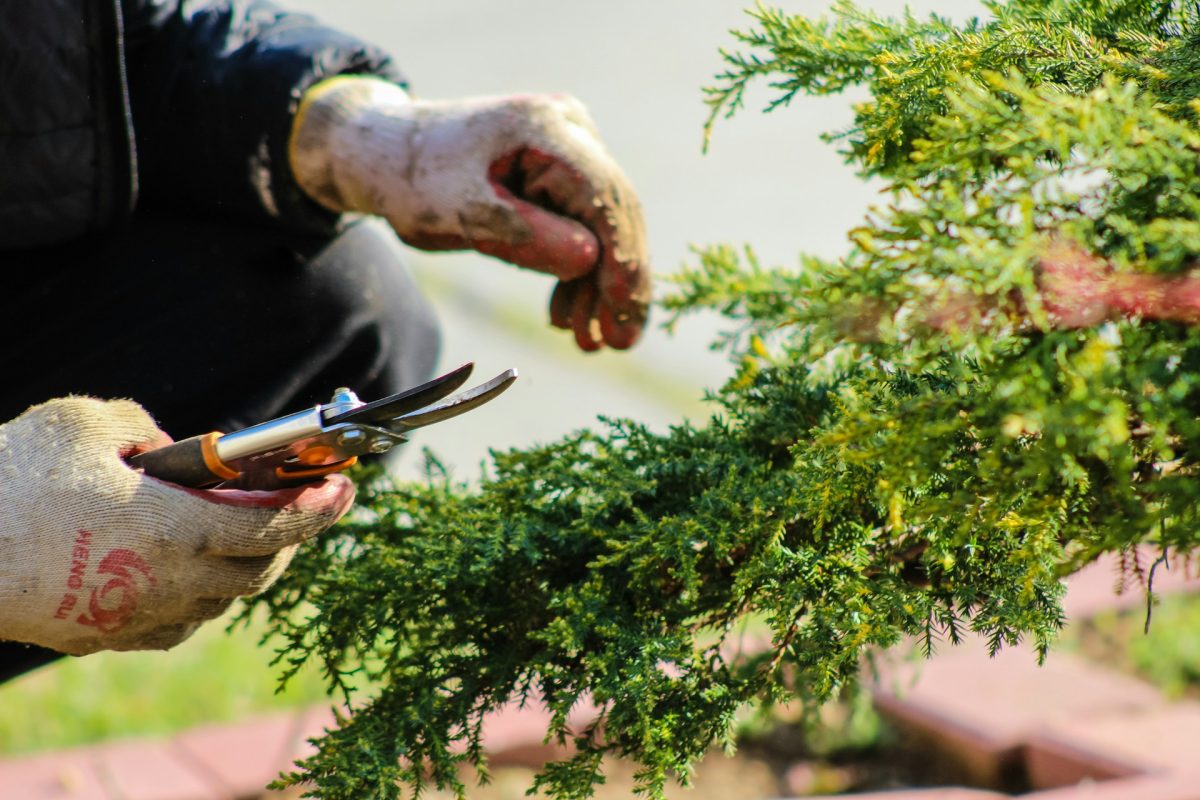
Keep a small spray bottle of alcohol in your garden caddy and spritz the blades between plants, especially if you notice disease symptoms. Wipe the blades with a clean cloth or paper towel to remove visible sap before applying disinfectant. That simple routine dramatically reduces pathogen transfer. When you tackle a known infection like fire blight, disinfect between every single cut on the affected plant.
Sharpening and maintaining tools also helps. A sharp blade creates a cleaner cut, which allows plants to heal faster and reduces the window of vulnerability. Dull blades crush tissue and create ragged wounds that invite infection. Regular maintenance not only improves plant health but also reinforces the habit of thinking about tool hygiene.
The Hidden Cost of Ignoring This Habit
Plant diseases rarely stay confined to a single branch. They spread through wind, water splash, insects, and human activity. When you introduce a pathogen through contaminated tools, you give it a foothold. From there, it can move through the plant’s vascular system or produce spores that spread more widely.
A severe outbreak can reduce yields in vegetable gardens, weaken ornamental shrubs, and even kill young trees. Replacing mature plants costs money and time. Years of growth and careful shaping can disappear in a single season. Gardeners often respond with fungicides or bactericides, which add expense and labor. All of that effort could shrink dramatically with consistent sanitation practices.
Rethinking the Ritual of Pruning
Pruning does more than shape plants; it directs energy, encourages airflow, and supports healthy growth. That ritual deserves the same level of respect as watering or fertilizing. When you pick up your shears, think of them as surgical instruments rather than simple garden accessories. Surgeons would never move from one patient to another without sterilizing tools. Your plants deserve similar consideration.
A thriving garden depends on countless small decisions that add up over time. Tool sanitation may seem minor, yet it can determine whether your plants flourish or struggle. That shiny pair of shears holds more influence than most people realize, and with a little awareness, you can turn it from a disease carrier into a true ally.
What changes will you make to your pruning routine this season to protect your plants? If you have some helpful advice to share, we definitely want to hear it in the comments below.
You May Also Like…
10 Everyday Household Items Gardeners Are Using Instead of Expensive Tools
7 Tools That Help Seniors Stay In Their Gardens Longer
9 Garden Tools You Should Oil Now or Replace by Spring
5 Weirdly Useful Garden Tools You’ll End Up Using Every Day
How To Keep Your Garden Tools Organized When Snow Hits

Brandon Marcus is a staff writer for FrugalGardening.com at District Media, Inc., where he delivers practical gardening advice with a relatable, no-nonsense style. An avid amateur gardener, he holds a BA degree and with over ten years of professional writing experience, he is also an award-winning published author whose first book, Questions For Deep Thinkers, was released by Adams Media. His work has appeared in major publications including Fandom.com, CHUD.com, TheColdWire.com, and Fansided.com.
Leave a Reply