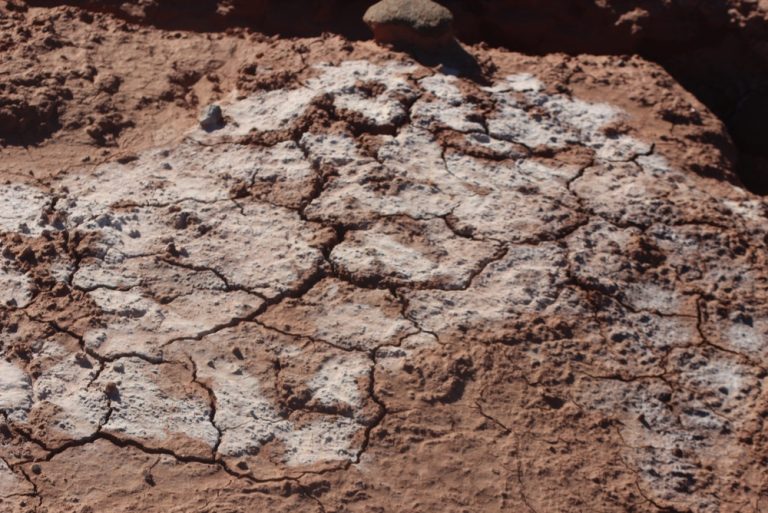
A white film across garden soil can make a healthy planting bed look like it belongs in a science experiment. That powdery layer often signals changes happening beneath the surface, and identifying the cause helps gardeners protect their plants and improve soil quality. Thankfully, a white coating does not automatically mean disaster has moved into…
plant care
7 Ways to Build a Backyard Retreat With Plants You Already Own
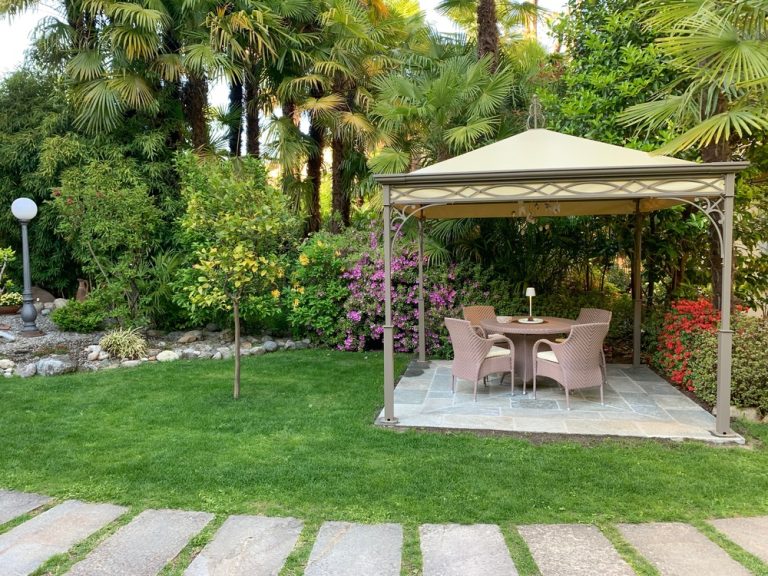
A peaceful backyard does not require a shopping cart full of expensive new plants, fancy landscaping materials, or a complete yard makeover. Many homeowners already own the ingredients for a cozy outdoor escape, but those plants sit scattered around the property instead of creating a welcoming garden space. With a little creativity, a shovel, and…
What Is Causing Brown Patches in an Otherwise Healthy Herb Garden?
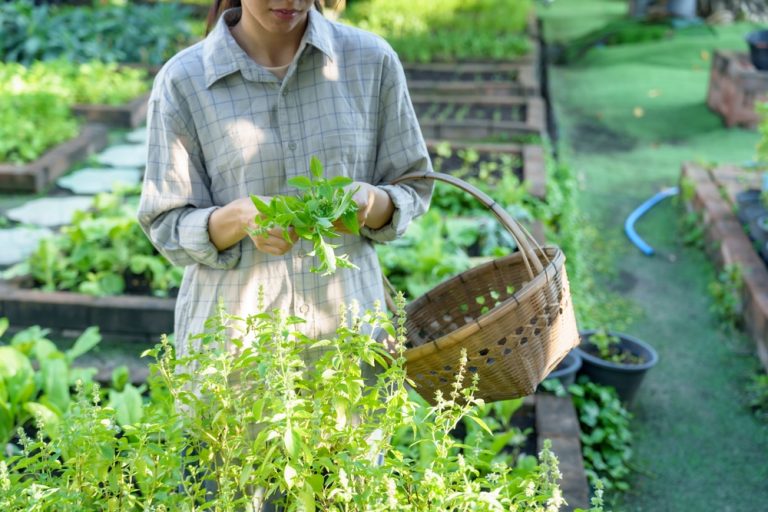
Brown patches in an otherwise healthy herb garden can feel like a mystery written by a tiny garden detective. One day the basil looks lush, the parsley stands tall, and the rosemary seems ready for a cooking adventure. Then suddenly, strange brown spots appear like unwanted guests at a backyard dinner party. Brown patches usually…
5 Ways to Prevent Sunscald on Peppers and Eggplants
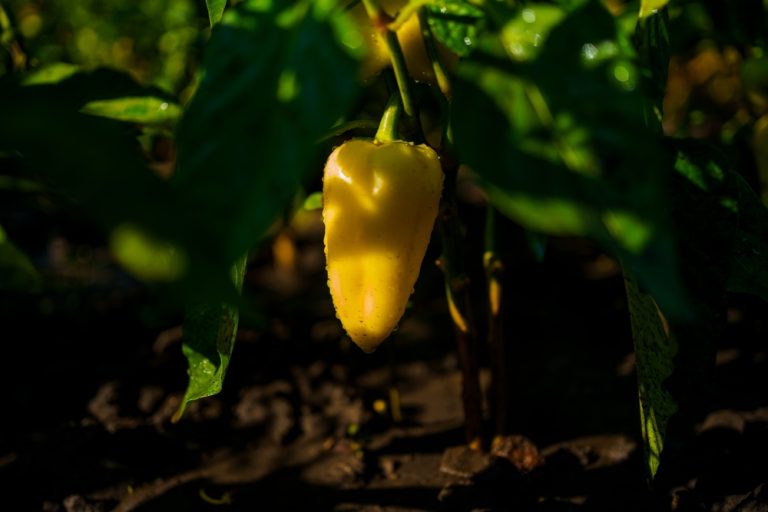
Sunscald can turn beautiful peppers and eggplants into vegetables with pale, leathery, damaged patches, and the problem often starts with something that seems like good news: plenty of sunshine. Both crops need sunlight to produce well, but fruit that suddenly loses leaf cover can take a direct hit from intense afternoon rays. The right solution…
Why Is Blossom-End Rot Appearing After Weeks of Healthy Growth?
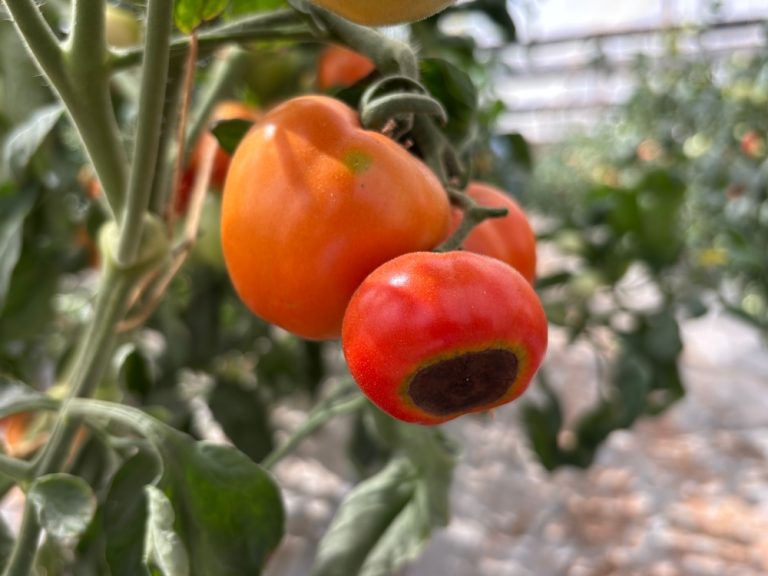
A tomato plant can look like the picture of garden success for weeks, then suddenly produce fruit with a dark, sunken patch on the bottom. Blossom-end rot often feels like a surprise attack, but this common garden problem follows a pattern that gardeners can spot and fix. Blossom-end rot does not mean the plant has…
What Should You Do When Tomato Leaves Curl but Stay Green?
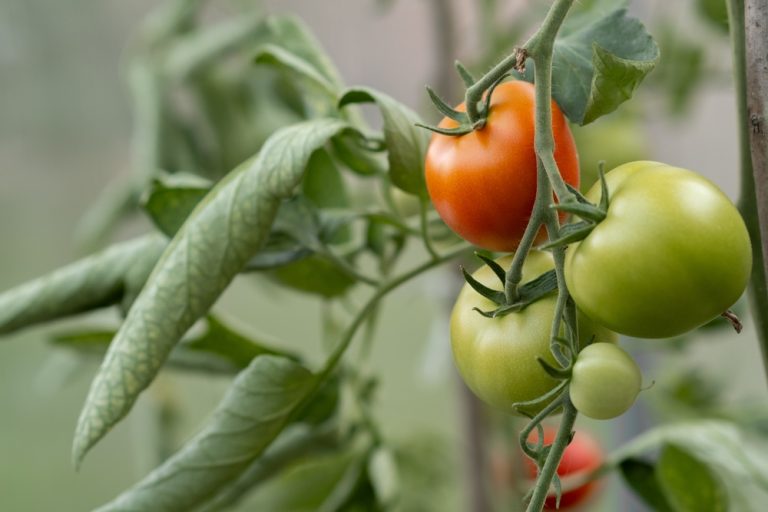
Tomato leaves that curl while keeping their healthy green color often signal a plant asking for help, not a plant giving up. The good news is that green curled leaves usually point toward stress, environmental changes, or a care issue that gardeners can often correct with a few smart adjustments. Before reaching for sprays or…
Why Are Gardeners Moving Houseplants Outdoors for the Summer?

The moment warm weather settles in, a quiet migration begins. Spider plants, pothos, rubber trees, peace lilies, and dozens of other favorite houseplants leave windowsills and living rooms for porches, patios, balconies, and shady garden corners. That seasonal move may seem like a gardening trend, but it actually gives many indoor plants a chance to…
When Midseason Fertilizer Helps—and When It Burns Stressed Plants
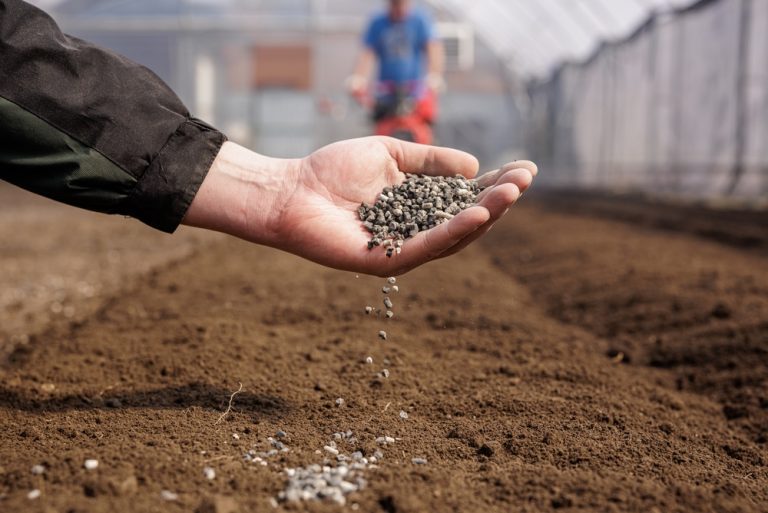
Midseason fertilizer can feel like a magic trick. Plants start looking a little tired, tomatoes seem less productive, and leafy vegetables lose some of their early-season enthusiasm. The natural reaction involves reaching for a bag of fertilizer and hoping for a quick turnaround. Sometimes that works beautifully. Other times, that same fertilizer pushes already-stressed plants…
Why Gardeners Should Photograph Plant Problems Before Treating Them
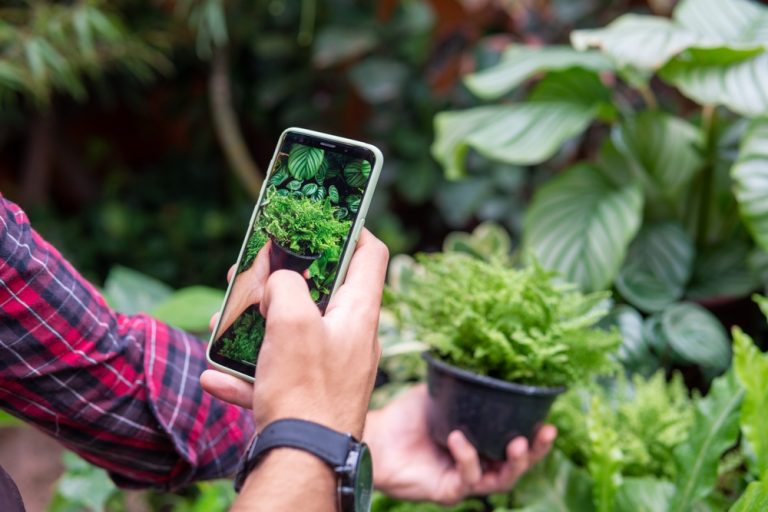
Every gardener feels the urge to grab a spray bottle, fertilizer, or pruning shears the moment a favorite plant starts looking sick. That quick reaction often comes from good intentions, but it can also make the real problem harder to identify. A simple photo taken before any treatment preserves valuable clues that disappear within hours…
Soaker Hose Placement Mistakes That Waste Water and Stress Plants
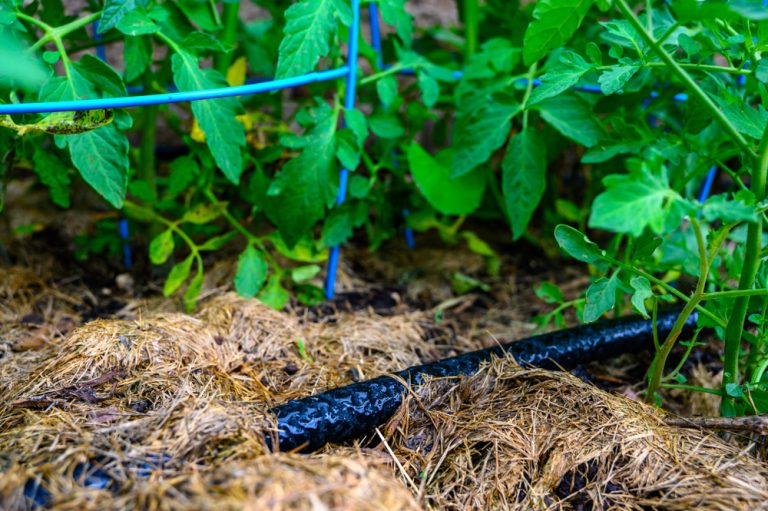
A soaker hose can feel like a gardener’s secret weapon, quietly delivering water while saving time and effort. However, the wrong placement can turn this helpful tool into a leaky garden headache that leaves some plants thirsty while others sit in soggy soil. Many gardeners install a hose, turn on the faucet, and assume the…