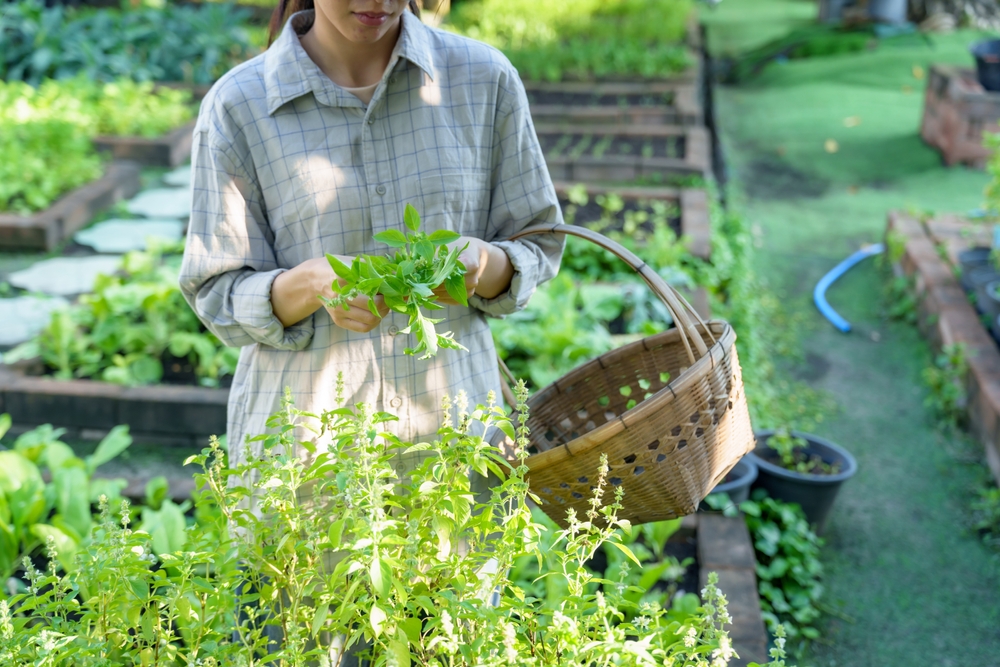
Brown patches in an otherwise healthy herb garden can feel like a mystery written by a tiny garden detective. One day the basil looks lush, the parsley stands tall, and the rosemary seems ready for a cooking adventure. Then suddenly, strange brown spots appear like unwanted guests at a backyard dinner party.
Brown patches usually point toward a few common problems that gardeners can fix with the right adjustments. Water habits, sunlight, soil conditions, pests, and even harvesting techniques can all leave clues behind, and learning how to read those clues helps herbs bounce back before the problem spreads.
Tiny Trouble Spots Often Start With Water Issues
Too much water ranks among the most common reasons herb gardens develop brown patches, especially with herbs like basil, thyme, and oregano that dislike soggy roots. When soil stays wet for too long, roots struggle to take in oxygen and the plant begins showing stress through discolored leaves. Gardeners sometimes assume brown leaves mean a thirsty plant, but adding more water can turn a small issue into a bigger mess. A simple finger test helps by checking whether the top inch of soil feels dry before watering again. Containers also need drainage holes because trapped water creates the perfect setup for unhappy roots.
Underwatering creates a different pattern, with crispy brown edges and leaves that feel dry instead of soft. Hot weather, windy locations, and small pots can make herbs lose moisture faster than expected. A potted basil plant on a sunny patio may need more frequent attention than herbs growing in a shaded garden bed. Mulch around outdoor herbs helps slow moisture loss, although gardeners should keep mulch away from stems to reduce the risk of rot.
Sunlight and Heat Can Leave Their Mark
Herbs love sunlight, but even sun-loving plants have limits when temperatures climb. Basil, cilantro, and parsley may develop brown patches when intense afternoon heat combines with dry soil. Leaves often show damage along edges or develop faded areas that look scorched after several hot days. Moving containers to a spot with morning sun and afternoon protection can help sensitive herbs recover. Gardeners should also avoid placing small pots against heat-reflecting surfaces like brick walls during extreme summer weather.
Cold temperatures create another surprise culprit because some herbs react poorly to sudden drops in temperature. Tender herbs such as basil dislike chilly nights and may show dark brown or blackened areas after cold exposure. Covering plants during unexpected cold snaps gives them extra protection when the forecast takes a sharp turn. Location matters because a sheltered corner near a home can offer a warmer microclimate than an open garden area. A little attention to weather patterns often reveals why a healthy plant suddenly looks rough around the edges.
Soil Problems Can Create Hidden Herb Stress
Healthy herbs depend on soil that provides nutrients, drainage, and the right growing environment. Poor soil conditions often reveal themselves through slow growth, yellowing leaves, or brown patches that refuse to disappear. Heavy clay soil can hold too much water, while sandy soil may dry out quickly and leave roots searching for moisture. Adding compost improves many garden beds by increasing organic matter and helping soil hold the right amount of moisture. Gardeners should also avoid overfeeding herbs because excessive fertilizer can damage roots and burn leaves.
A quick soil check can reveal whether the garden needs a small adjustment instead of a complete makeover. Herbs grown in containers may need fresh potting mix when old soil becomes compacted and difficult for roots to explore. Salt buildup from fertilizer or hard water can also leave brown marks on leaves, especially in pots with limited drainage. Flushing containers with clean water occasionally helps remove excess minerals from the soil. Healthy soil gives herbs a stronger foundation and reduces many common problems before they appear.
Pests and Diseases Leave Distinctive Clues
Tiny insects can create surprisingly large headaches in an herb garden. Spider mites, aphids, and other pests often damage leaves by feeding on plant tissue, leaving spots, discoloration, or curling growth behind. Checking the undersides of leaves helps gardeners spot trouble early because many pests hide away from plain sight. A strong spray of water can remove some insects, while insecticidal soap may help with heavier infestations. Regular inspections turn pest control into a quick garden habit instead of an emergency rescue mission.
Fungal problems also create brown patches, especially when leaves stay wet for long periods. Crowded plants with poor airflow give moisture-loving diseases a better chance to spread. Watering near the soil instead of spraying leaves reduces unnecessary moisture on plant surfaces. Removing damaged leaves helps limit problems and keeps the garden looking tidy. Clean tools and good spacing create a healthier environment without requiring complicated solutions.
Small Changes Bring Herbs Back From the Brink
Brown patches do not always mean an herb plant has reached the end of its growing season. Many herbs recover when gardeners correct the underlying issue and remove damaged growth. Pruning away unhealthy leaves encourages the plant to focus energy on fresh growth. Adjusting watering schedules, improving drainage, and watching sunlight patterns often solve the problem. A little detective work usually reveals the answer hiding in plain sight.
The healthiest herb gardens come from paying attention to small details instead of waiting for major problems. A gardener who notices changes early can prevent minor leaf damage from becoming a full garden setback. Each brown patch tells a story about what the plant needs, whether that means less water, more shade, better soil, or pest control. Herb gardening rewards curiosity because plants constantly provide helpful clues. The next time brown spots appear, a closer look may reveal an easy fix waiting nearby.
Give Brown Patches the Boot With Better Garden Habits
Brown patches usually signal a plant asking for a change, not a gardener facing failure. Careful watering, proper sunlight, healthy soil, and routine inspections solve many herb garden problems. Herbs often respond quickly when gardeners address the real cause instead of guessing. Paying attention to patterns turns confusing damage into useful information. A small adjustment today can protect flavorful leaves tomorrow.
The best herb gardeners develop the habit of observing before reacting. Plants communicate through their leaves, stems, and growth patterns, and those signals help guide better decisions. Brown spots may look alarming, but they often provide the exact hint needed to improve care. With a little patience and regular attention, an herb garden can remain productive and beautiful throughout the growing season.
What brown patch mystery have you solved in your own herb garden, and what trick helped your plants recover?
You May Also Like…
6 Reasons Gardeners Are Mixing Herbs Into Flower Borders
Foraging Gardens: RHS Says Plant Borage, Sorrel and Herbs You Can Eat Straight from the Yard
6 Reasons Gardeners Are Mixing Herbs Into Flower Borders
6 Culinary Herbs That Take Off Quickly When Planted Now
How to Grow Herbs Without Buying Starters

Brandon Marcus is a staff writer for FrugalGardening.com at District Media, Inc., where he delivers practical gardening advice with a relatable, no-nonsense style. An avid amateur gardener, he holds a BA degree and with over ten years of professional writing experience, he is also an award-winning published author whose first book, Questions For Deep Thinkers, was released by Adams Media. His work has appeared in major publications including Fandom.com, CHUD.com, TheColdWire.com, and Fansided.com.
Leave a Reply