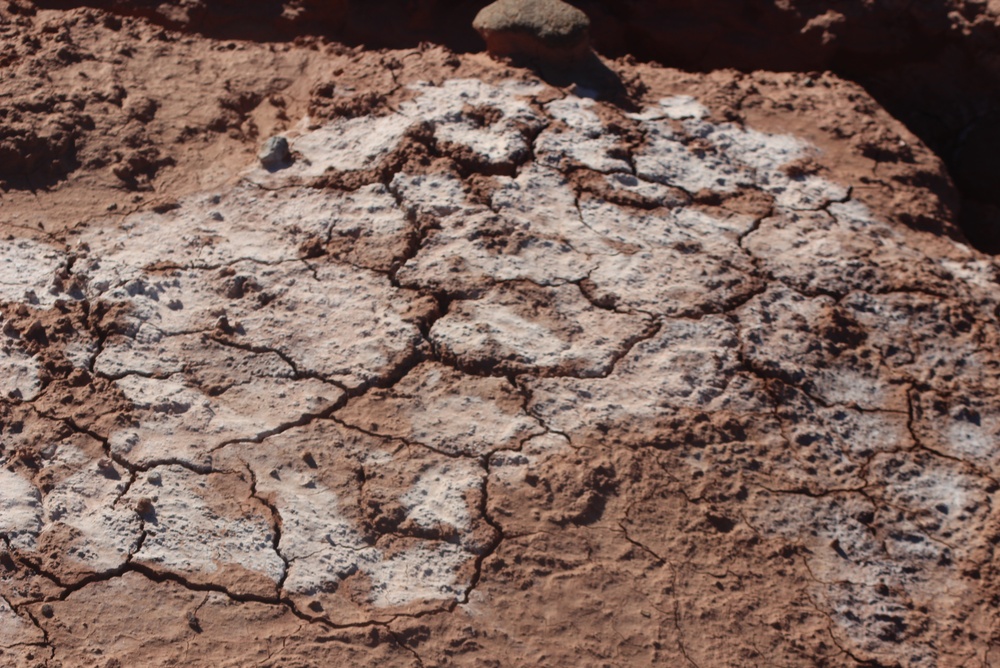
A white film across garden soil can make a healthy planting bed look like it belongs in a science experiment. That powdery layer often signals changes happening beneath the surface, and identifying the cause helps gardeners protect their plants and improve soil quality.
Thankfully, a white coating does not automatically mean disaster has moved into the garden. Several common garden conditions create this mysterious crust, and many fixes involve simple adjustments with watering, soil care, or plant maintenance.
1. Salt Buildup From Water and Fertilizers
Salt deposits rank among the most common reasons garden soil develops a white, chalky appearance. Tap water, especially water with dissolved minerals, can leave behind tiny salt particles after repeated watering dries the soil. Fertilizers also contain mineral salts that plants use for growth, but extra amounts can collect near the surface when plants cannot absorb everything.
Gardeners often notice this issue in containers, raised beds, or areas with poor drainage. A vegetable planter that receives frequent fertilizer applications may slowly develop a pale crust that looks harmless but can stress plant roots. Flushing the soil with plenty of clean water helps move excess salts downward, while reducing fertilizer amounts prevents the problem from returning.
2. Fungal Growth From Moist Conditions
A white fuzzy layer on soil often points toward harmless fungal activity rather than a plant disease. Fungi break down organic material such as compost, mulch, and old plant debris, creating a natural recycling crew beneath the garden surface. This growth usually appears when soil stays damp for long periods and air movement remains limited.
Many gardeners spot this white growth after adding fresh mulch or compost, especially during cloudy stretches with frequent rain. Removing a thin layer of the affected material, improving airflow, and allowing the soil surface to dry between watering sessions often solves the issue. The fungus may look dramatic, but it often plays a helpful role in the garden ecosystem.
3. Mineral Deposits From Hard Water
Hard water carries minerals such as calcium and magnesium, and those minerals can leave a white residue behind after evaporation. Gardeners who use sprinklers or hoses with mineral-rich water may notice white patches around plants, stones, or soil surfaces. The same crust that appears on faucets and shower doors can also show up in outdoor spaces.
This mineral buildup does not always damage plants immediately, but heavy deposits can change soil conditions over time. Testing soil before adding amendments helps avoid unnecessary changes that could create new problems. Gardeners can also collect rainwater for some watering needs or use filtered water for sensitive plants when mineral buildup becomes persistent.
4. Perlite, Vermiculite, or Soil Ingredients Showing
Sometimes the white material on garden soil does not signal a problem at all. Many potting mixes contain perlite, a lightweight white mineral that helps improve drainage and keeps soil from becoming compacted. After watering and settling, those bright particles may rise toward the surface and create a surprising snowy appearance.
Gardeners often mistake perlite for mold because the tiny white pieces stand out against dark soil. A quick touch reveals the difference because perlite feels hard and gritty while fungal growth feels soft or fuzzy. Checking the texture before taking action prevents unnecessary soil treatments and keeps helpful ingredients working in the garden.
5. Poor Drainage and Repeated Moisture Problems
Constantly wet soil creates the perfect stage for several white surface growths to appear. When water lingers near the top layer, organic materials break down more slowly, and fungi may spread across the surface. Compacted soil can make the situation worse because roots struggle to access air and excess moisture cannot escape easily.
Improving drainage often starts with simple steps such as loosening compacted soil, adding finished compost, or adjusting watering habits. A garden bed that receives frequent shallow watering may benefit from deeper, less frequent watering instead. Watching how quickly water disappears after irrigation offers valuable clues about what happens below ground.
A White Soil Surface Is a Clue, Not a Crisis
That mysterious white film on garden soil tells a story about moisture, minerals, and the materials inside the planting area. The key step involves identifying whether the substance feels powdery, fuzzy, gritty, or crusty before choosing a solution. Rushing to treat the soil without checking the cause can create unnecessary work and sometimes make conditions worse.
Healthy gardens rarely come from reacting to every unusual sight with immediate action. Careful observation, thoughtful watering, and balanced soil care usually solve many common garden mysteries. A little detective work can turn a strange white patch into useful information about what the soil needs next.
What type of white film has appeared in your garden, and what solution worked best for you? Share your gardening experiences in the comments.
You May Also Like…
Can Worm Castings Rescue Nutrient-Poor Container Soil?
Can Biochar Help Sandy Soil Hold Water During Hot Weather?
What Should You Do When Potting Soil Pulls Away from the Container?
The Cheap Mulch Materials That Can Damage Plants or Soil
6 Ways to Keep Cut Flowers Fresh Longer After Harvest

Brandon Marcus is a staff writer for FrugalGardening.com at District Media, Inc., where he delivers practical gardening advice with a relatable, no-nonsense style. An avid amateur gardener, he holds a BA degree and with over ten years of professional writing experience, he is also an award-winning published author whose first book, Questions For Deep Thinkers, was released by Adams Media. His work has appeared in major publications including Fandom.com, CHUD.com, TheColdWire.com, and Fansided.com.
Leave a Reply