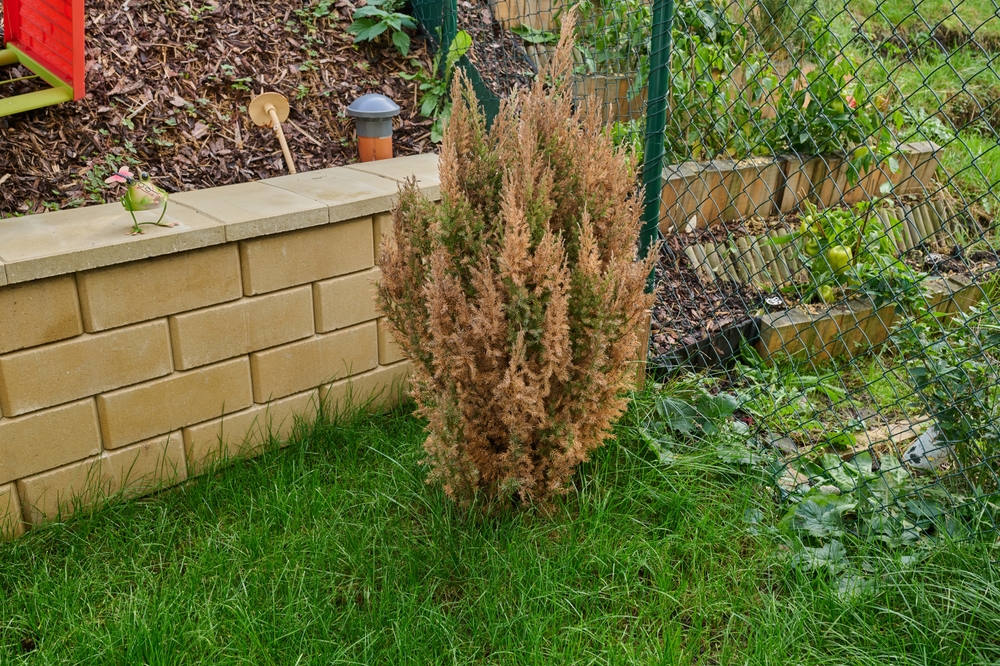
Just because temperatures are dropping doesn’t mean your landscaping projects have to stop. In fact, fall can be one of the best times to plant shrubs, especially if you’re hoping to save money on end-of-season garden center sales.
But there’s a catch: Planting shrubs before winter requires careful timing and proper preparation to give their roots a chance to establish before the ground freezes.
A shrub that looks perfectly healthy when you bring it home can struggle through winter if it’s planted too deeply, left without enough moisture, or placed in poorly draining soil.
According to Penn State Extension, fall planting offers advantages for many trees and shrubs, but gardeners should allow adequate time for root establishment before freezing conditions arrive.
Here’s how to make the most of the remaining planting season without wasting money on shrubs that might not survive until spring.
Check Your Local Frost Dates Before Buying Shrubs
Timing is one of the most important considerations when planting shrubs before winter, particularly in regions where the ground freezes for extended periods. Penn State Extension recommends allowing approximately six weeks before the first expected frost for container-grown trees and shrubs to begin establishing their roots. However, the first air frost and the point when soil freezes are different events, and roots may continue growing while soil temperatures remain favorable. Gardeners in warmer climates often have a longer fall planting window than those living in northern states with early winter conditions. Before purchasing discounted shrubs, check your local frost dates, soil conditions, and the specific planting recommendations for your USDA hardiness zone.
Choose Shrubs That Can Handle Your Winter Climate
Not every shrub sold at a garden center is suitable for fall planting in every region, even when the price looks irresistible. Native shrubs and well-adapted varieties generally offer better prospects for long-term success when matched to local soil, sunlight, and temperature conditions. The USDA Plant Hardiness Zone Map can help gardeners determine whether a particular shrub is likely to survive typical winter minimum temperatures. Deciduous shrubs that naturally enter dormancy may be easier to establish in some fall conditions than broadleaf evergreens that continue losing moisture through their foliage during winter. Before buying, check the plant label for mature size, hardiness, drainage requirements, and whether fall planting is recommended for that species in your area.
Pick a Location With Enough Space and Proper Drainage
A common landscaping mistake is planting a small shrub too close to a house, walkway, fence, or another established plant. That inexpensive two-foot shrub could eventually spread six feet or more, creating future pruning expenses or forcing you to remove it altogether. The University of Minnesota Extension recommends evaluating soil drainage and site conditions before installing trees and shrubs. If water regularly collects in the planting area after rainfall, choose a species that tolerates wet soil or address the drainage problem before planting. Taking time to select the right location can prevent costly landscaping corrections and give your new shrub enough room to develop naturally.
Dig a Wide Hole, but Don’t Plant Too Deeply
When planting shrubs before winter, the size and depth of the planting hole can make a significant difference in how successfully roots establish. The University of Maryland Extension recommends digging a hole at least twice as wide as the root ball but no deeper than the root ball itself. A wide planting hole gives roots access to loosened surrounding soil, while excessive depth can leave the plant buried too deeply and vulnerable to poor aeration or moisture problems. Position the shrub so the upper surface of its root system is at or slightly above the surrounding soil level, accounting for any excess potting mix covering the roots. Backfill primarily with the original soil, gently firming it to eliminate large air pockets without compacting the ground excessively.
Check for Circling Roots Before Backfilling
Container-grown shrubs sometimes develop tightly packed roots that circle around the inside of the nursery pot. If those roots remain in the same pattern after planting, they may struggle to spread into the surrounding soil and can eventually interfere with healthy development. Loosening or correcting pot-bound root systems before placing plants into their new holes is generally recommended. Gently separate manageable roots with your fingers, and use a clean, sharp tool to correct severely circling roots when necessary. This extra step takes only a few minutes but can help prevent long-term problems that aren’t immediately visible when the shrub is first planted.
Water Thoroughly Even When the Weather Feels Cool
One of the biggest misconceptions about planting shrubs before winter is that cooler temperatures eliminate the need for regular watering. Newly planted shrubs still require moisture to establish their roots, and dry autumn weather can create significant stress even when daytime temperatures are mild. Try watering immediately after planting and maintaining consistent moisture while roots establish. Check the soil several inches below the surface rather than assuming that a damp-looking top layer means the entire root ball has enough water. Continue watering when conditions are dry and the ground remains unfrozen, but reduce the frequency when rainfall and soil moisture are sufficient to avoid waterlogging.
Add Mulch Without Burying the Shrub’s Stems
Mulching is one of the simplest ways to help protect newly planted shrubs from changing soil temperatures and moisture loss. A layer of approximately two to three inches of shredded bark, wood chips, or another suitable organic mulch can provide insulation while helping suppress weeds. Mulch can reduce root exposure to extreme temperature fluctuations during winter. However, piling mulch directly against shrub stems can trap excessive moisture and create conditions favorable to bark damage or decay. Spread mulch across the surrounding root zone while leaving a few inches of clear space around the base of the plant.
Skip Heavy Fertilizing and Unnecessary Pruning
Gardeners sometimes assume that newly planted shrubs need a strong dose of fertilizer to prepare for winter, but that isn’t necessarily true. Excessive nitrogen applications late in the growing season can encourage tender new growth that may be more vulnerable to freezing temperatures. Try to avoid unnecessary late-season nitrogen applications. Shrubs generally don’t require immediate pruning after planting. Remove broken, dead, or clearly damaged branches when necessary, but save major shaping for the appropriate season for your particular shrub. Focusing on root establishment, adequate moisture, and protection from winter conditions is usually more beneficial than trying to force additional growth.
Protect Vulnerable Shrubs From Winter Wind and Wildlife
Even shrubs that are hardy enough for your climate can suffer winter damage when they’re newly planted and haven’t developed extensive root systems. Broadleaf evergreens may be especially vulnerable to drying winter winds because their foliage continues losing moisture when frozen soil limits water uptake. Look for protective screens for susceptible evergreens and physical barriers where rabbits, deer, or other wildlife are likely to cause damage. A simple burlap windbreak or properly installed wire enclosure may be more effective than purchasing expensive sprays or other unnecessary treatments. If you’re planting shrubs before winter, consider the conditions they’ll face in January and February rather than focusing only on how attractive they look in October.
A Little Fall Preparation Can Save You Money Next Spring
Successfully planting shrubs before winter comes down to choosing suitable plants, giving roots enough time to establish, and avoiding common mistakes that create unnecessary stress. A properly sized planting hole, consistent watering, and an appropriate mulch layer can make a meaningful difference in how well a shrub survives its first winter. Fall garden center discounts can offer real savings, but a bargain isn’t worthwhile if the plant is poorly suited to your climate or planted too late. If your ground is already frozen or severe winter weather is approaching, waiting until spring may be the more economical decision.
Do you prefer planting shrubs in the fall or spring, and have you ever scored a great end-of-season landscaping deal? Share your experience in the comments.
What to Read Next
This Beautiful Fall Shrub Is Becoming a Backyard Problem — Do You Have One?
Leave a Reply