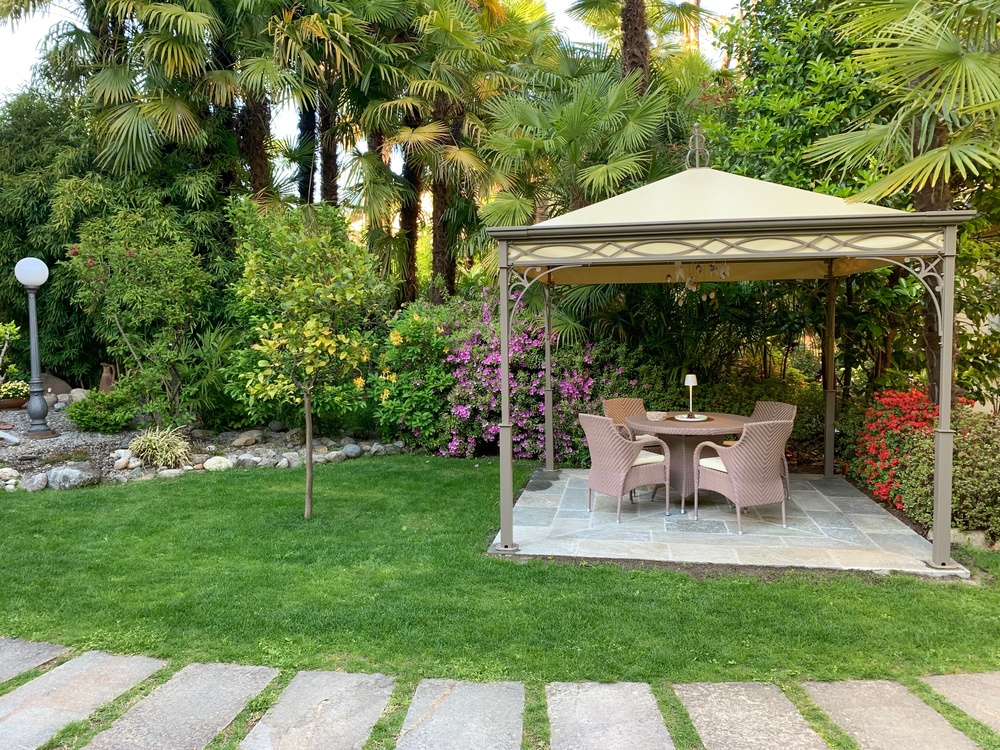
A peaceful backyard does not require a shopping cart full of expensive new plants, fancy landscaping materials, or a complete yard makeover. Many homeowners already own the ingredients for a cozy outdoor escape, but those plants sit scattered around the property instead of creating a welcoming garden space.
With a little creativity, a shovel, and a willingness to move a few things around, ordinary hostas, shrubs, flowers, herbs, and even volunteer plants can become the foundation of a backyard retreat. The secret involves seeing familiar plants with fresh eyes and giving them a better role in the landscape.
1. Move Existing Plants Into Cozy Garden Groups
Move existing plants into small groups that create the feeling of a designed garden instead of a collection of random greenery. Start by walking around the yard and noticing which plants already look healthy, colorful, or interesting throughout the seasons. Grouping similar plants together can create stronger visual impact because a cluster of three or five plants often catches the eye more than a single lonely specimen.
A garden bed near a patio, deck, or favorite chair can turn into a relaxing destination with the right arrangement. Use taller plants behind shorter flowers, place spreading ground covers along the edges, and keep pathways open so the space feels inviting. This simple rearrangement often creates a dramatic change without adding a single new plant.
2. Create Privacy With Plants Already Growing
Create privacy by using the plants that already provide height, texture, and coverage around your yard. Tall ornamental grasses, mature shrubs, evergreen plants, and large perennials can help define a quiet corner for reading, relaxing, or enjoying morning coffee. Many gardeners overlook these plants because they focus only on flowers, but foliage often does the heavy lifting in a retreat-style landscape.
Look for opportunities to relocate plants that crowd walkways or compete with neighbors in crowded beds. A row of transplanted shrubs or a cluster of tall grasses can create a natural screen while giving older plants a fresh purpose. Check each plant’s sunlight and soil needs before moving it because even hardy plants need a good new home.
3. Build a Relaxing Seating Area Around Greenery
Build a relaxing seating area by letting plants frame the space instead of simply decorating the edges. A bench under a tree, a chair beside fragrant herbs, or a small table surrounded by flowers can instantly make a backyard feel like a private getaway. Plants help soften hard surfaces and make outdoor spaces feel more connected to nature.
Consider the sounds, smells, and textures that make a garden enjoyable. Lavender, mint grown in containers, ornamental grasses, and flowering perennials can add sensory details that make people linger longer outside. The best backyard retreats encourage people to slow down and enjoy the small moments happening around them.
4. Divide Overgrown Perennials to Expand Your Retreat
Divide overgrown perennials to create more garden areas without spending money on new plants. Many popular garden plants, including daylilies, hostas, irises, and ornamental grasses, produce extra growth that gardeners can separate and replant. This technique helps crowded plants regain space while providing new material for empty corners.
Choose the right season for dividing each plant because timing affects recovery and growth. Spring and fall often work well for many perennials because cooler temperatures reduce stress during the transition. A few careful cuts with a clean shovel can transform one crowded plant into several beautiful additions around the yard.
5. Add Layers With Different Plant Heights
Add layers throughout your backyard by combining plants with different heights, shapes, and textures. A retreat feels more natural when tall plants create a backdrop, medium plants fill the middle area, and shorter plants soften the edges. This approach mimics the layered look found in natural landscapes and prevents garden beds from appearing flat.
Look closely at the plants already available before buying replacements. A tall fern, spreading thyme, colorful coleus, or leafy perennial can fill a specific role when placed thoughtfully. Mixing textures often creates more interest than chasing constant blooms because foliage keeps the garden attractive throughout the growing season.
6. Turn Forgotten Plants Into Garden Features
Turn forgotten plants into features by giving overlooked specimens a place where they can shine. That struggling fern hiding behind a shed, the clump of flowers near the driveway, or the herb patch that needs attention might become a highlight with a simple relocation. Gardens often contain hidden treasures that need better placement rather than replacement.
Refresh these areas with mulch, stones, recycled containers, or a simple border made from materials already around the property. Small details can help separate a casual planting area from a true backyard destination. The goal does not involve creating a perfect showroom garden because a welcoming space should feel comfortable and lived in.
7. Protect Your Backyard Retreat With Smart Maintenance
Protect your backyard retreat by creating a maintenance routine that keeps the space enjoyable instead of overwhelming. Choose plants that already handle your yard’s conditions because they usually require less attention once they settle into the right location. A relaxing garden should not feel like another full-time responsibility waiting outside the door.
Keep an eye on watering needs, pests, and overcrowded plants as the seasons change. Remove struggling growth, refresh mulch when needed, and prune plants according to their specific requirements. Small regular tasks help preserve the peaceful atmosphere that makes a backyard retreat worth creating.
Turn Familiar Plants Into Your Favorite Outdoor Escape
Turn familiar plants into your favorite outdoor escape by focusing on creativity rather than constant additions. A backyard retreat can start with the plants already growing around your home and a willingness to rethink their placement. The most charming gardens often develop through patience, experimentation, and a few unexpected ideas. Take time to notice which plants bring beauty, shade, fragrance, or personality to your outdoor space. A little rearranging can reveal an entirely new backyard hiding in plain sight.
What plants already growing in your yard could become the centerpiece of your own backyard retreat?
You May Also Like…
Can a Mini Bog Garden Work in a Small Backyard?
6 Reasons Screen-Free Backyard Retreats Are Trending
Can a Backyard Garden Really Beat Grocery Inflation? We Ran the Numbers
The Cheap Backyard Upgrade That Makes Summer Nights Better
Drought Conditions Are Affecting U.S. Agriculture—What Home Gardeners Should Watch

Brandon Marcus is a staff writer for FrugalGardening.com at District Media, Inc., where he delivers practical gardening advice with a relatable, no-nonsense style. An avid amateur gardener, he holds a BA degree and with over ten years of professional writing experience, he is also an award-winning published author whose first book, Questions For Deep Thinkers, was released by Adams Media. His work has appeared in major publications including Fandom.com, CHUD.com, TheColdWire.com, and Fansided.com.
Leave a Reply