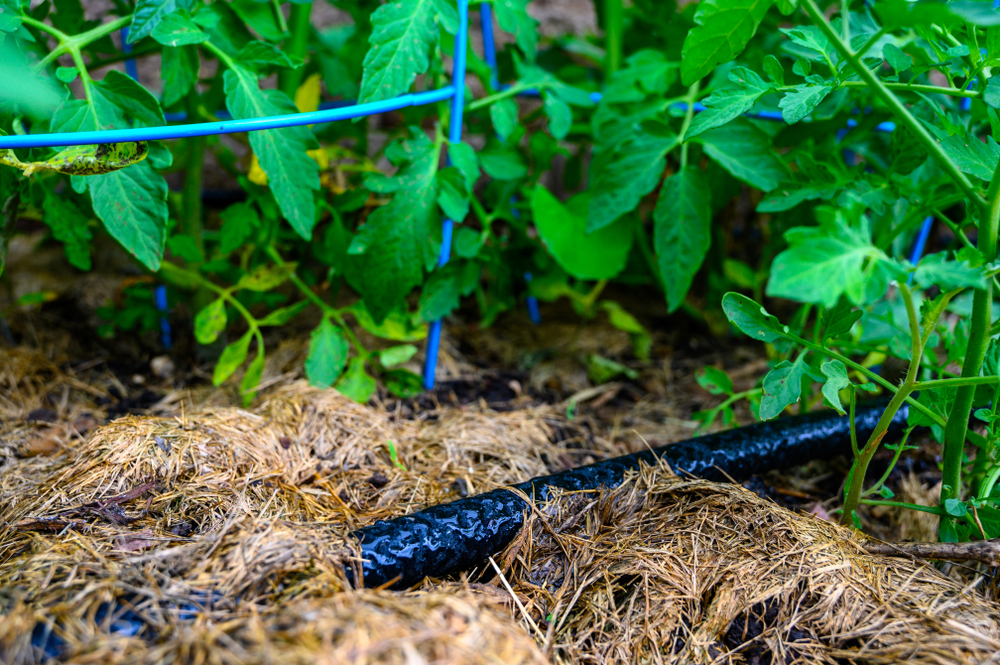
A soaker hose can feel like a gardener’s secret weapon, quietly delivering water while saving time and effort. However, the wrong placement can turn this helpful tool into a leaky garden headache that leaves some plants thirsty while others sit in soggy soil.
Many gardeners install a hose, turn on the faucet, and assume the job ends there. The truth sits underground, where roots, soil texture, and water flow all decide whether plants get the drink they need or struggle through uneven moisture. A few simple adjustments can help a garden use water more wisely and keep plants looking their best.
The Hose Placement Problem Starts With Plant Location
A soaker hose works best when it sits close to the root zone, not randomly across the garden like a garden snake taking a nap. Plant roots usually spread outward from the base of the plant, so the hose should follow the area where those roots search for moisture. A hose several inches away from small vegetable seedlings may miss their young roots completely.
Gardeners often make the mistake of watering empty spaces between plants, especially in wide beds with plenty of exposed soil. That approach wastes water because moisture disappears where plants cannot use it. A better setup places the hose in rows beside vegetables, around shrubs, or along flower groupings where roots actually grow.
A common backyard example involves tomatoes, peppers, and cucumbers sharing one bed, because those plants enjoy similar watering habits. The hose should run along the planting line instead of circling the entire bed like a decorative border. This small change helps each plant receive moisture where it matters most.
Too Much Hose Length Can Create Uneven Watering
Soaker hoses do not deliver the same amount of water from one end to the other when gardeners stretch them too far. Long runs often lose pressure, which means plants near the faucet may receive more moisture while plants at the far end struggle. That creates a frustrating situation where one section of the garden looks lush and another section looks stressed.
Many gardeners connect multiple hoses together without checking how their water pressure handles the extra distance. A shorter hose arrangement often creates more consistent moisture and makes it easier to spot dry areas. Gardeners can also use several smaller sections instead of one giant hose wandering through every corner.
A practical trick involves testing the hose before covering it with mulch. Run water through the system, check the soil nearby, and notice whether the moisture pattern matches the planting area. This quick inspection can prevent weeks of guessing why certain plants look unhappy.
Mulch and Soil Conditions Change How Water Moves
A soaker hose works with the soil, not against it, which means gardeners need to consider what sits beneath and around the hose. Heavy clay soil absorbs water slowly, while sandy soil allows moisture to move quickly through the ground. Each garden bed creates a different watering puzzle.
Placing a hose on top of thick mulch can still work, but gardeners should check whether water reaches the soil beneath. A layer of mulch helps reduce evaporation, yet an overly thick layer can slow the gardener’s ability to notice dry spots. Pulling back mulch occasionally helps reveal whether the soil receives enough moisture.
Gardeners also need to avoid burying hoses too deeply because deep placement makes adjustments difficult. A hose tucked under a light mulch layer allows easy monitoring and seasonal changes. Moving the hose slightly as plants grow can keep water close to expanding root systems.
Small Adjustments Create a Smarter Watering Routine
The best soaker hose setup does not require expensive equipment or complicated planning. It requires observation, patience, and a willingness to move the hose when the garden changes. Plants give plenty of clues through leaf color, growth patterns, and soil conditions.
A quick walk through the garden after watering can reveal problems before they become major issues. Dry soil near a plant base signals poor hose placement, while constantly wet soil may point toward excessive watering in that area. Small corrections can protect roots and improve overall plant health.
Gardeners should also water early in the day when temperatures remain cooler and evaporation stays lower. A well-placed soaker hose paired with smart timing creates a simple routine that supports vegetables, flowers, and shrubs throughout the growing season. The goal is not simply using less water, but helping every drop reach the plants that need it most.
The Garden Upgrade Hidden in Plain Sight
Soaker hoses offer a simple way to make watering easier, but placement decides whether they deliver real results. A hose tucked into the wrong spot can waste water, confuse roots, and create uneven growing conditions.
The best gardeners treat watering as a process rather than a one-time setup. They watch how soil responds, move hoses when plants expand, and adjust their approach through the season. A little attention turns a basic hose into a dependable garden tool.
Smart placement also saves frustration because healthier plants require fewer emergency fixes during hot weather. When moisture reaches the right roots at the right time, the entire garden becomes easier to manage. Sometimes the biggest improvement comes from moving a hose a few inches and paying closer attention to what happens below the surface.
What changes have made the biggest difference in your garden watering routine? Share your soaker hose tips, lessons, or surprises in the comments.
You May Also Like…
The Heat-Wave Watering Mistake That Can Kill Container Gardens
Growing with Graywater: Use Shower and Bath Water to Irrigate Ornamentals Safely
The Watering Myth: Why More Moisture Can Hurt Root Development
Why “Self-Watering” Pots are Often a Waste of Cash (And How to DIY Them)
How to Start a Community Garden Without Wasting Money on the Wrong Setup

Brandon Marcus is a staff writer for FrugalGardening.com at District Media, Inc., where he delivers practical gardening advice with a relatable, no-nonsense style. An avid amateur gardener, he holds a BA degree and with over ten years of professional writing experience, he is also an award-winning published author whose first book, Questions For Deep Thinkers, was released by Adams Media. His work has appeared in major publications including Fandom.com, CHUD.com, TheColdWire.com, and Fansided.com.
Leave a Reply