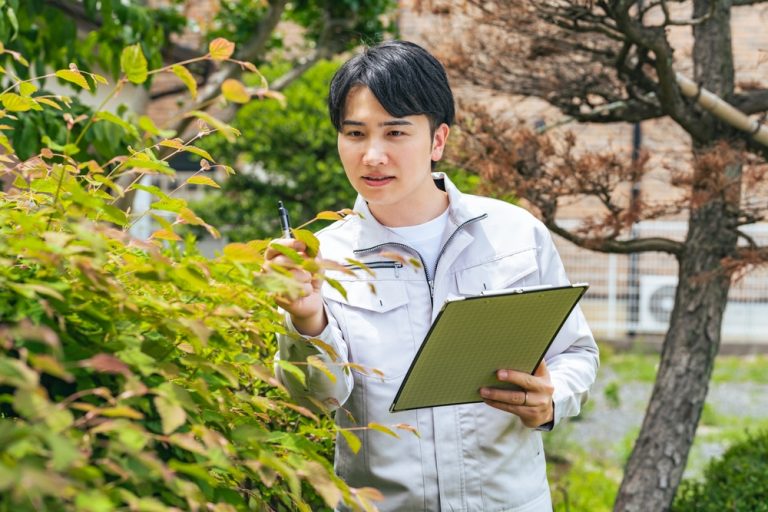
A struggling tomato plant, a mystery bug chewing holes through bean leaves, or a tree that suddenly drops leaves can send even experienced gardeners searching for answers. A Cooperative Extension plant clinic offers one of the most reliable places to solve those puzzles with science-based guidance instead of random internet guesses. That makes it one…
plant care
The July Pest Damage Gardeners Mistake for Heat Stress
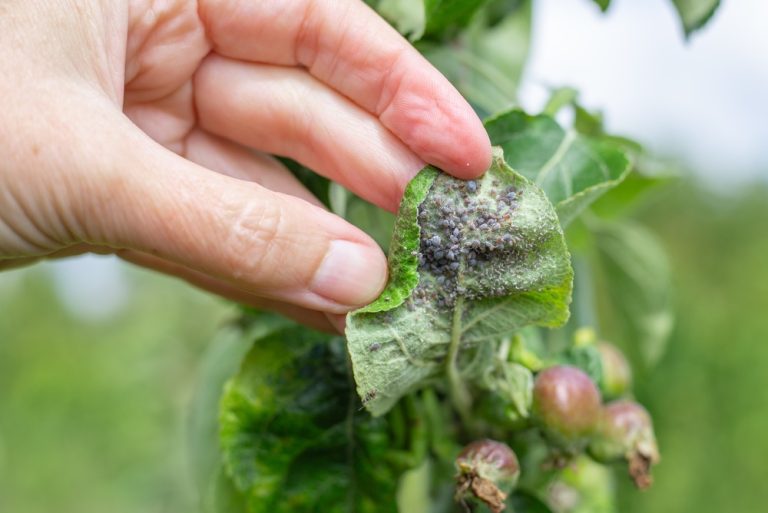
Hot July weather can make plants look miserable, but scorching temperatures do not always deserve the blame. Many gardeners grab the watering can when they see curled leaves, yellow patches, or drooping stems, only to discover tiny pests have been quietly hosting a garden buffet. Knowing the difference between heat stress and insect damage helps…
Houseplants Go Outdoors: “In-and-Out” Plants Come Back Inside in Fall
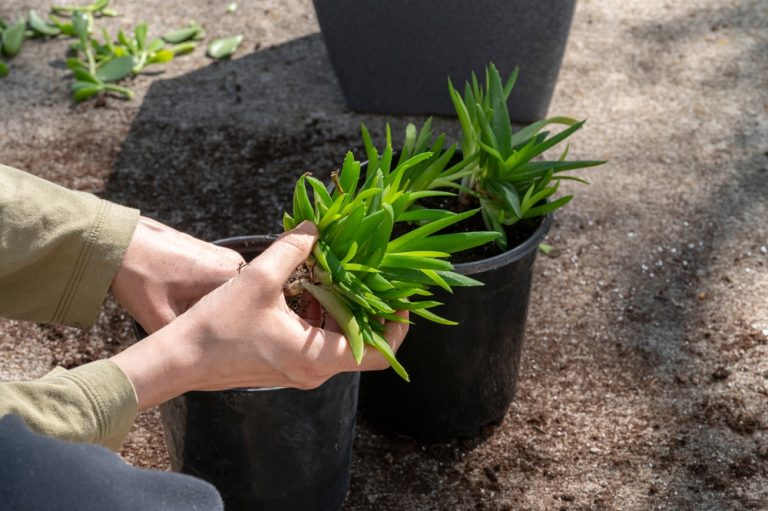
Houseplants love a seasonal adventure, and summer offers the perfect excuse to send them outside for a change of scenery. Warm air, brighter light, and natural humidity can give indoor plants a fresh burst of energy, but only when the transition happens with care. A rushed move outdoors can stress foliage, while a sloppy return…
The Gardening Mistake That Can Destroy Plants After Heavy Rain
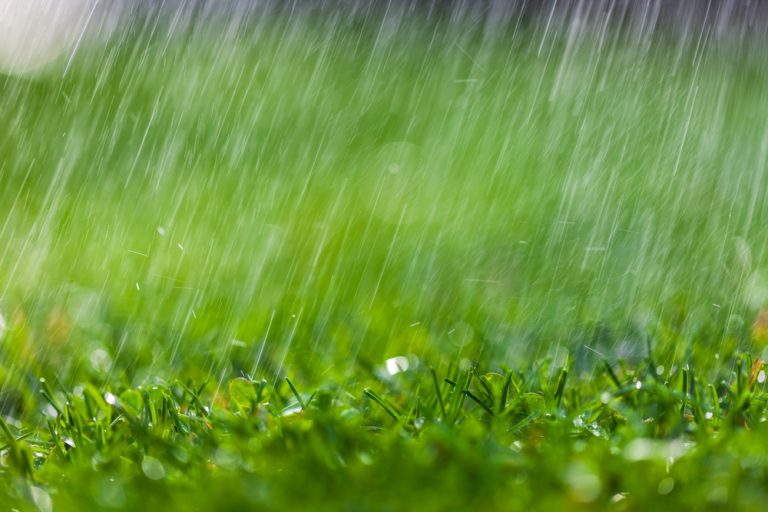
Heavy rain feels like a gift to the garden, soaking everything in a deep, refreshing drink that seems to promise lush growth and happy plants. But right after the storm passes, one small mistake can quietly set off a chain reaction that damages roots, weakens stems, and invites disease. Many gardens look perfectly fine on…
7 Cheap Ways to Protect Plants During Extreme Heat
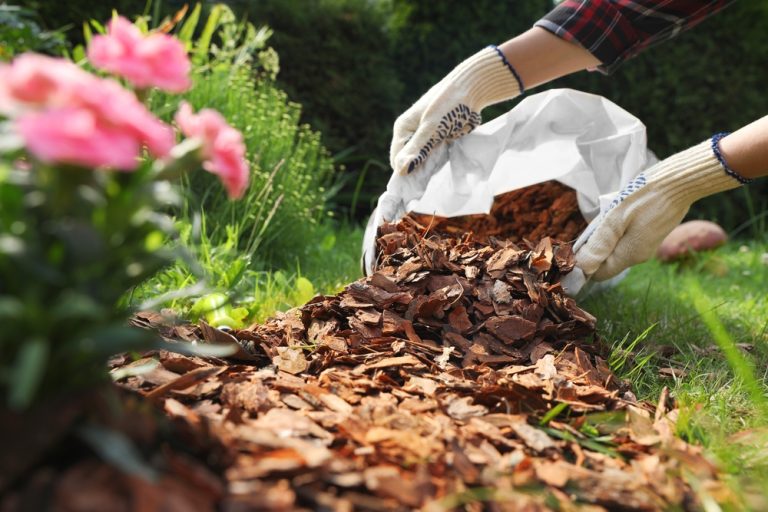
A blazing hot afternoon can turn a happy garden into a droopy disaster faster than anyone expects. Leaves curl, flowers fade, and vegetables suddenly look like they gave up on summer altogether. The good news is that protecting plants from extreme heat does not require expensive gadgets or a complete garden makeover. A few smart…
7 Backyard Plants That May Be Attracting More Bugs Than You Realize
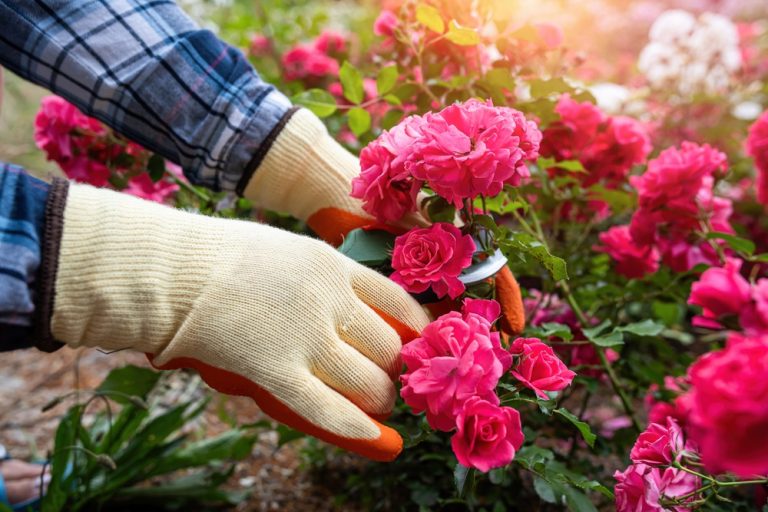
A backyard garden often feels like a peaceful escape, filled with color, fragrance, and life. But that lively little ecosystem sometimes invites more than butterflies and bees. Certain popular plants quietly roll out the welcome mat for pests that love to settle in, feed, and multiply fast. What looks like a thriving garden bed can…
10 Gardening Tools People Say Are Total Waste of Money
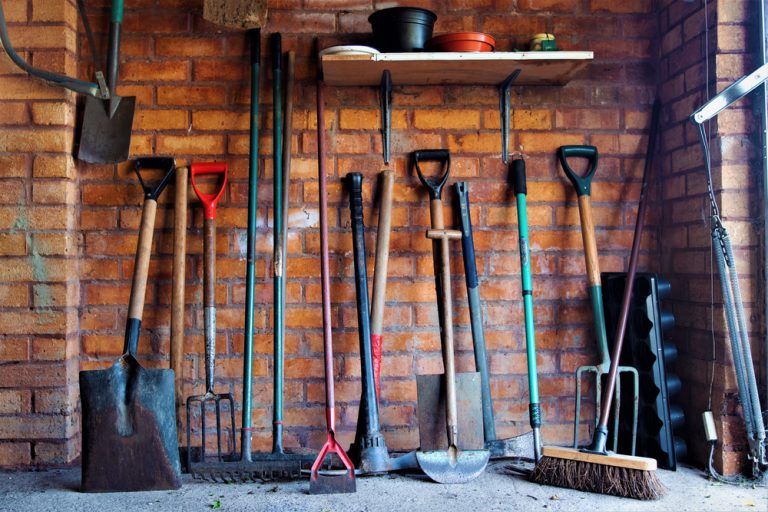
Gardening can feel like a treasure hunt for the perfect tools, but not every shiny gadget earns its place in the shed. Some items promise easier planting, faster watering, or effortless weed control, yet they often end up collecting dust after the first try. Many gardeners learn the hard way that marketing hype does not…
8 Low-Maintenance Plants That Still Look Impressive
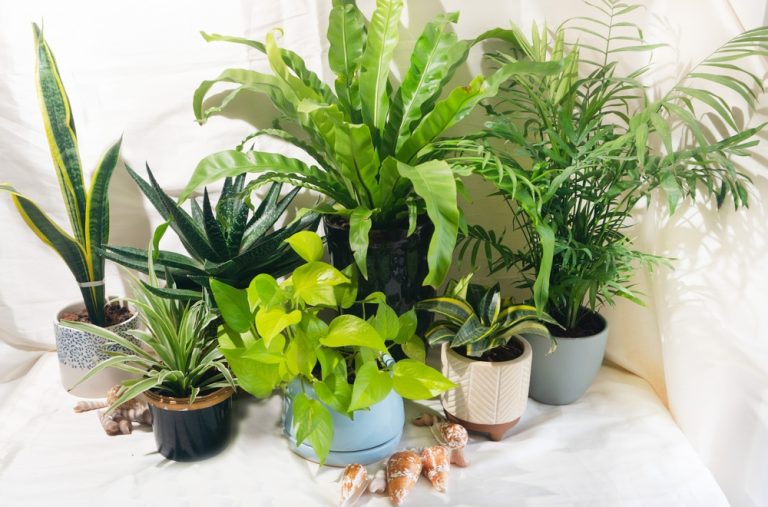
Some plants demand constant attention, while others quietly show off without asking for much in return. The best part of low-maintenance greenery is how it can instantly elevate a space without turning plant care into a second job. A well-chosen plant can make a porch look styled, a living room feel calmer, or a kitchen…
7 Things That Secretly Stress Tomato Plants
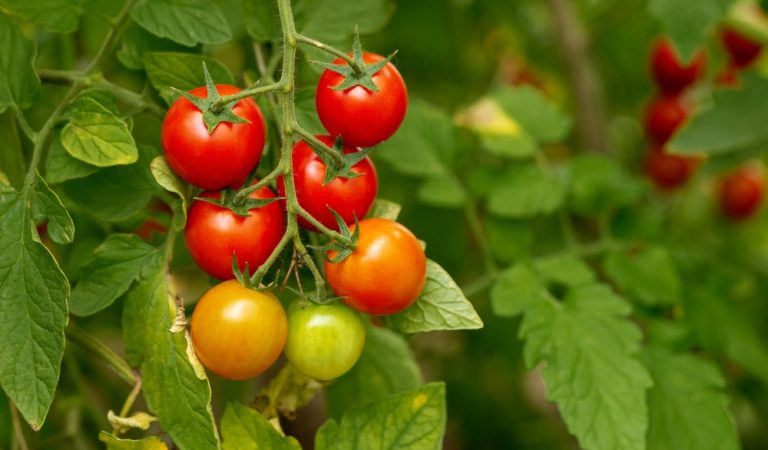
Tomato plants have a reputation for being garden favorites, but they can be surprisingly dramatic behind the scenes. One day they look lush and green, and the next they start dropping leaves or refusing to set fruit. The tricky part is that the real problems often hide in plain sight, blending into normal garden routines….
9 Plants That Can Handle Neglect Better Than Most
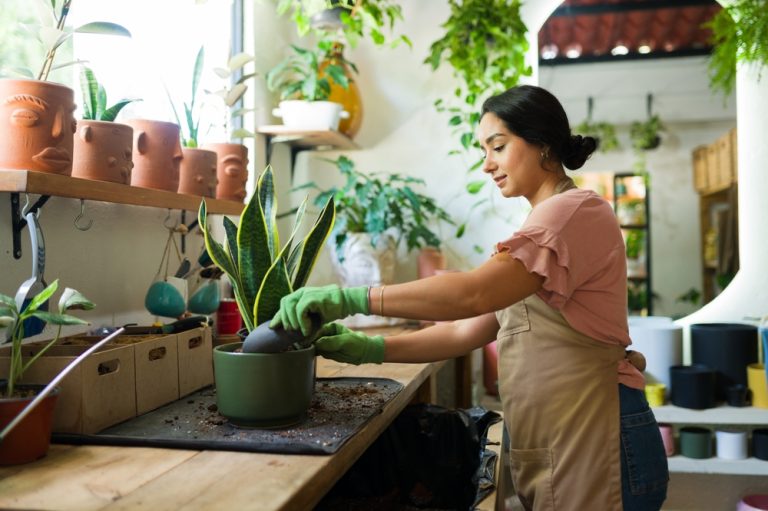
Life gets busy, schedules fill up, and plant care often slips to the bottom of the to-do list. That reality leaves many people staring at a sad pot of wilted leaves and wondering if they simply lack a green thumb. Fortunately, some plants seem almost determined to survive regardless of occasional forgetfulness. The best low-maintenance…