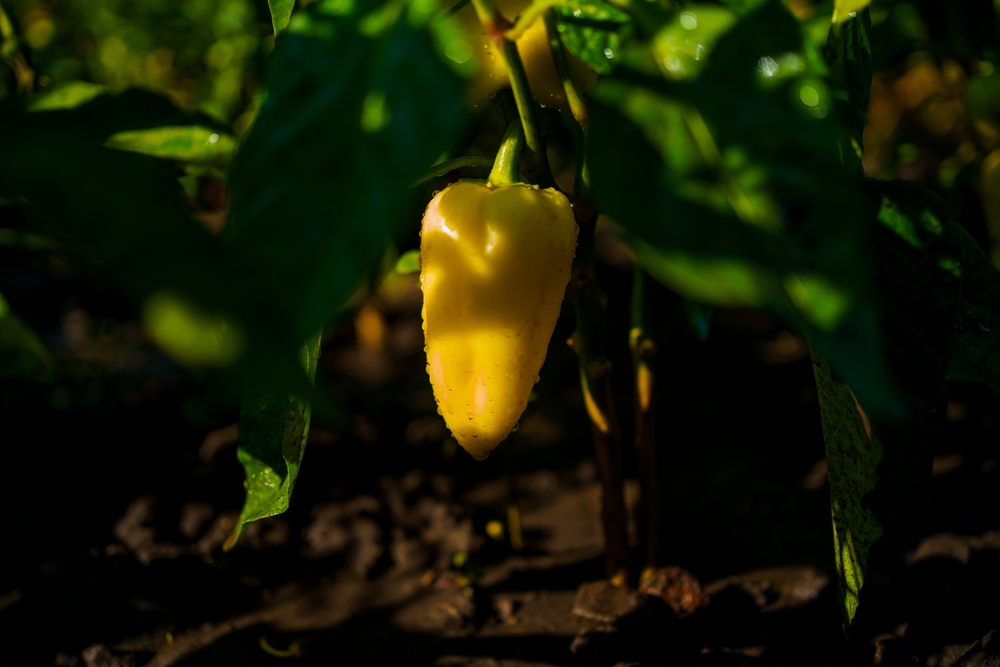
Sunscald can turn beautiful peppers and eggplants into vegetables with pale, leathery, damaged patches, and the problem often starts with something that seems like good news: plenty of sunshine. Both crops need sunlight to produce well, but fruit that suddenly loses leaf cover can take a direct hit from intense afternoon rays.
The right solution involves simple garden management rather than fancy equipment or complicated treatments. A little attention to plant spacing, pruning, watering, and harvest timing can keep developing fruit covered and protected, because the best defense against sunscald often involves keeping the plant’s own leafy umbrella in place.
1. Keep Enough Leaves Covering the Fruit
The most effective way to prevent sunscald starts with the plant itself, so resist the urge to strip away every leaf that looks slightly ragged or inconvenient. Healthy leaves create natural shade over developing peppers and eggplants, reducing the amount of direct, intense sunlight that reaches the fruit during the hottest part of the day.
This matters especially after pruning, pest damage, disease, or a sudden growth spurt leaves fruit hanging in full view. A pepper that once sat beneath a thick canopy can suddenly become the garden equivalent of a beachgoer who forgot sunscreen. Remove leaves that show serious disease or major damage, but avoid excessive pruning that exposes clusters of fruit to the strongest afternoon sun.
2. Avoid Overpruning When Plants Get Bushy
Bushy pepper and eggplant plants can tempt gardeners into reaching for the pruners, particularly when branches tangle together and the whole plant looks like a leafy traffic jam. In many home gardens, however, that dense foliage provides valuable protection for fruit, so pruning should focus on clear problems rather than creating a perfectly sculpted plant.
Remove broken stems, severely diseased growth, and branches that clearly interfere with the plant’s health, but think twice before removing healthy leaves simply to make the plant look tidier. Eggplants often produce large leaves that cast useful shade, while pepper plants can protect fruit with their own canopy when gardeners give them enough room to grow. A little garden mess can sometimes function as excellent sun protection.
3. Give Plants Consistent Water
Watering does not directly cure sunscald, but consistent moisture helps plants maintain healthy foliage and avoid the stress that can lead to wilting and reduced leaf coverage. When a plant wilts dramatically during hot weather, its leaves may droop away from developing fruit, leaving that fruit more exposed to intense sunlight.
Aim for steady soil moisture rather than a cycle of bone-dry soil followed by a sudden flood. Water deeply when the soil begins to dry, and apply mulch around the plants to slow moisture loss while keeping the mulch away from direct contact with the main stem. A layer of organic mulch can also help keep soil temperatures more moderate, which makes hot weather less of a daily wrestling match for the plant.
4. Use Shade During Brutal Heat
When a heat wave arrives or a garden sits in relentless afternoon sun, temporary shade can provide an extra layer of protection for exposed peppers and eggplants. Shade cloth works well when gardeners install it so air can still circulate, and a simple structure can protect plants during the most intense portion of the day without blocking all sunlight.
Avoid draping heavy material directly over the plants, because trapped heat and poor airflow can create a new set of problems. The goal involves reducing the intensity of the sun, not placing the vegetables inside a tiny, sweltering tent. Temporary shade can prove particularly useful after heavy pruning, transplanting, or storm damage leaves fruit suddenly exposed.
5. Harvest Fruit Before Damage Gets Worse
Regular harvesting can reduce the amount of time mature or nearly mature fruit spends sitting in direct sunlight. Peppers often remain on the plant as they change color, while eggplants can linger as gardeners wait for the perfect size, and that extra time can increase the chance of exposed surfaces developing damage during intense weather.
Check plants frequently and harvest fruit when it reaches the desired size and maturity for the variety. Sunscald typically appears as a pale, bleached, tan, or brown area on the side of the fruit facing the sun, and the damaged patch may eventually become firm and leathery. A small damaged spot does not automatically make the entire vegetable unusable, but preventing additional damage makes far more sense than waiting for the sun to turn a promising harvest into a gardening cautionary tale.
Keep the Plant’s Natural Umbrella Intact
Sunscald prevention rarely requires a complicated garden gadget or a dramatic rescue operation. Healthy foliage, sensible pruning, steady watering, appropriate spacing, temporary shade during extreme heat, and timely harvesting can work together to protect peppers and eggplants from excessive sun exposure.
The biggest mistake involves assuming that every leaf needs removal simply because the plant looks crowded. In hot weather, those leaves may serve as the fruit’s best protection, so let the plant do some of the work. A productive vegetable garden does not need to look perfectly manicured to produce beautiful food, and sometimes the slightly unruly pepper or eggplant plant has exactly the leafy canopy its fruit needs.
Which sunscald prevention trick has worked best in your garden, and have you ever discovered a pepper or eggplant that looked like it had spent too much time in the sun? Give us your gardening experience in the comments!
You May Also Like…
7 Fragrant Plants That Make Evening Gardens More Enjoyable
6 Plants That Make a Gravel Garden Look Lush
5 Garden Repairs to Make Before the Next Summer Storm
Can a Garden Journal Help You Spend Less Next Season?
Why Are Gardeners Moving Houseplants Outdoors for the Summer?

Brandon Marcus is a staff writer for FrugalGardening.com at District Media, Inc., where he delivers practical gardening advice with a relatable, no-nonsense style. An avid amateur gardener, he holds a BA degree and with over ten years of professional writing experience, he is also an award-winning published author whose first book, Questions For Deep Thinkers, was released by Adams Media. His work has appeared in major publications including Fandom.com, CHUD.com, TheColdWire.com, and Fansided.com.
Leave a Reply