Every day, nutrient-rich scraps head straight for the trash, even though they hold the power to transform tired soil into a plant-growing powerhouse. Store-bought fertilizers promise quick results, but they often come with a price tag and ingredients that don’t always support long-term soil health. Meanwhile, simple kitchen leftovers quietly offer a natural, effective, and completely free alternative.
Gardeners who tap into this overlooked resource often see stronger plants, richer soil, and better harvests without spending extra money. The secret lies in feeding the soil, not just the plant, and kitchen scraps deliver exactly what beneficial microbes need to thrive.
1. Banana Peels Deliver a Potassium Punch Plants Love
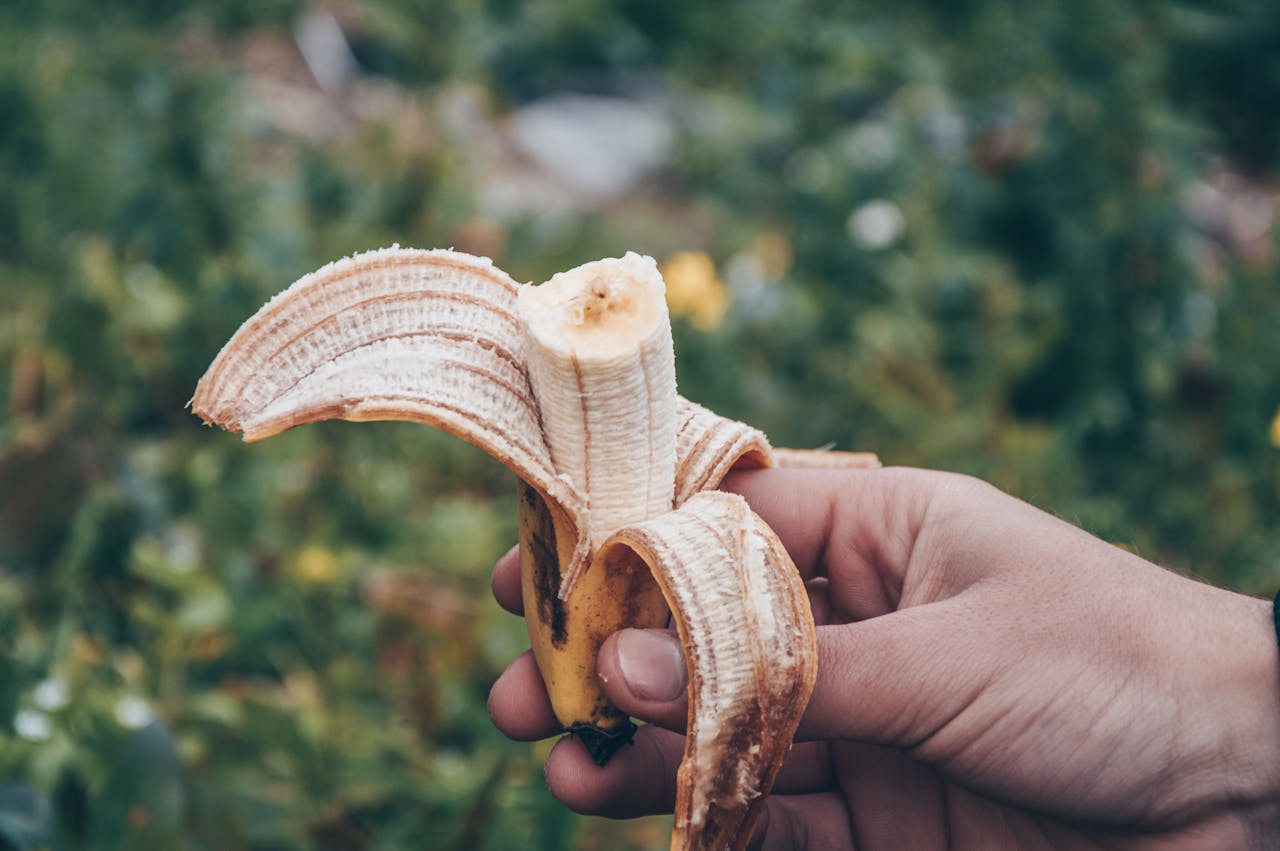
Banana peels pack a serious nutrient boost, especially when it comes to potassium, which supports strong root development and vibrant blooms. Roses, tomatoes, and peppers respond particularly well to this natural boost, often showing improved growth and flowering. Chopping peels into small pieces speeds up decomposition and allows nutrients to release directly into the soil. Some gardeners soak banana peels in water for a few days to create a simple liquid feed that plants absorb quickly. This method stretches one kitchen scrap into multiple uses, making it both efficient and effective.
Fresh peels break down quickly, but burying them too close to the surface can attract pests if not done carefully. A better approach involves digging them a few inches below the soil where microbes can break them down safely. Garden beds enriched with banana peels often develop better moisture retention and improved structure over time. This small habit can quietly replace expensive potassium fertilizers without sacrificing results.
2. Coffee Grounds Improve Soil Structure and Add Nitrogen
Used coffee grounds offer a gentle nitrogen boost that supports leafy growth and overall plant health. Many gardeners sprinkle them directly onto soil or mix them into compost piles to balance carbon-heavy materials. Their fine texture helps improve soil structure, especially in dense or clay-heavy areas. Earthworms love coffee grounds, and their activity further enhances soil aeration and nutrient cycling. This creates a more active, living soil that plants can thrive in.
Too many coffee grounds in one spot can create clumping, which may block airflow and water movement. Mixing them with other organic matter prevents this issue and keeps the soil balanced. Gardeners often combine grounds with leaves or grass clippings to create a richer compost blend. Over time, this combination breaks down into dark, crumbly soil that holds nutrients effectively.
3. Eggshells Strengthen Plants With Calcium Support
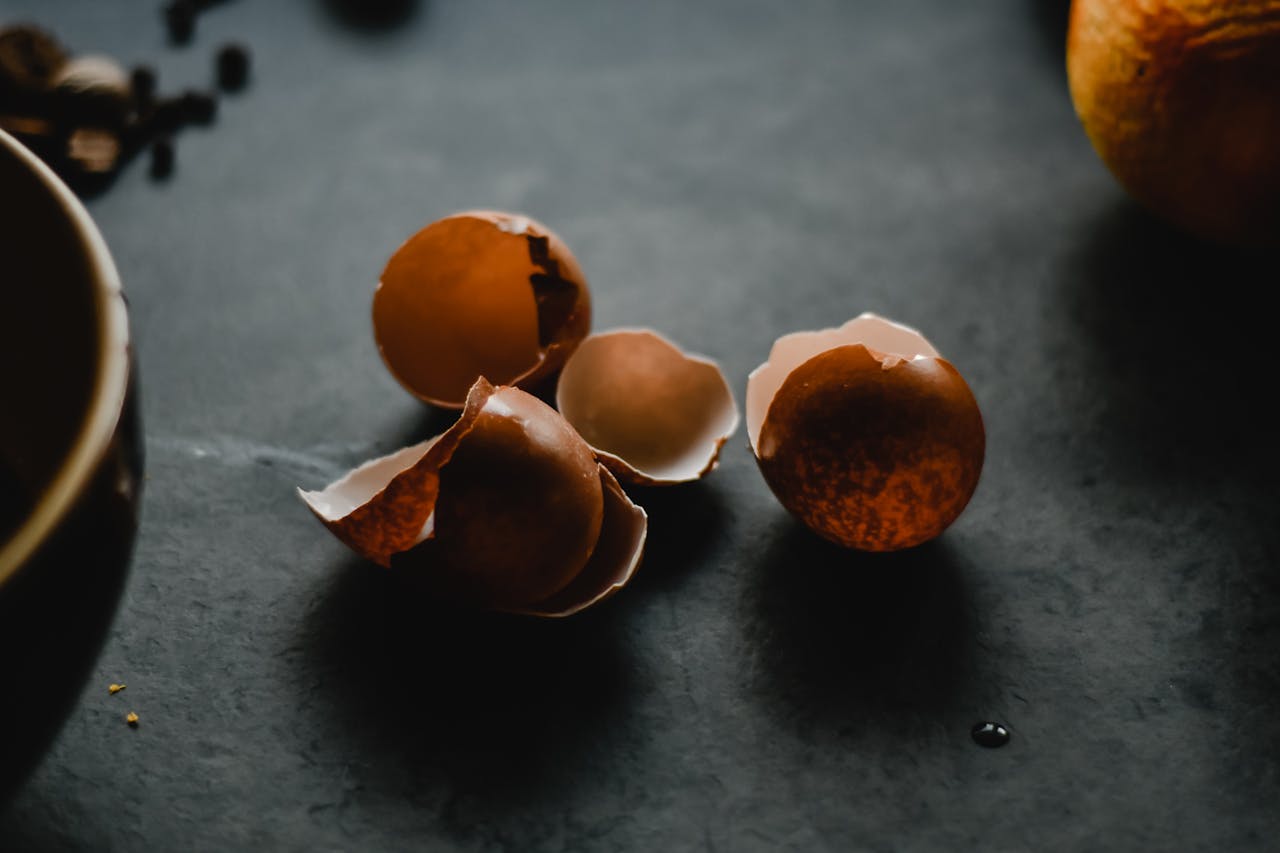
Eggshells provide a valuable source of calcium, which plays a key role in cell development and prevents issues like blossom end rot in tomatoes. Crushing shells into fine pieces allows them to break down more quickly and release nutrients into the soil. Some gardeners even grind them into a powder for faster absorption. This extra step can make a noticeable difference in calcium-deficient soils. Stronger plants often show fewer signs of stress and produce healthier yields.
Rinsing eggshells before use prevents unwanted odors and keeps pests away from garden beds. Sprinkling crushed shells around plants can also create a mild barrier against soft-bodied pests like slugs. While eggshells don’t deliver instant results, consistent use builds long-term soil strength. Gardeners who stick with this method often notice improved plant resilience over time. It’s a slow but steady investment in healthier soil.
4. Vegetable Scraps Build Rich, Living Compost
Vegetable peels, cores, and trimmings form the backbone of nutrient-rich compost that feeds soil naturally. Carrot tops, onion skins, and leafy greens all break down into organic matter that improves soil texture and fertility. Composting these scraps creates a balanced environment where beneficial microbes thrive. This microbial activity transforms waste into a powerful soil amendment packed with nutrients. It’s one of the most effective ways to recycle kitchen waste into garden gold.
Maintaining the right balance between green materials and brown materials ensures compost breaks down efficiently. Adding dry leaves or shredded paper prevents the pile from becoming too wet or compacted. Turning the compost regularly introduces oxygen and speeds up decomposition. Within weeks or months, scraps transform into dark, crumbly compost that smells earthy and clean. This process replaces the need for many store-bought fertilizers entirely.
5. Citrus Peels Boost Microbial Activity in Small Amounts
Citrus peels bring trace nutrients and natural compounds that can stimulate microbial activity when used in moderation. Chopping them into small pieces helps them break down more quickly and blend into compost or soil. Their natural oils can deter some pests, offering a secondary benefit in garden beds. Used sparingly, they contribute to a diverse nutrient profile that supports healthy soil ecosystems. Balance remains key, as too much citrus can disrupt microbial activity.
Composting citrus peels alongside other materials reduces their acidity and makes them safer for general garden use. Gardeners often mix them with vegetable scraps to create a more balanced compost blend. Over time, these peels lose their strong scent and integrate fully into the soil. This gradual breakdown supports long-term soil health without overwhelming it.
6. Rice Water Feeds Plants With Gentle Nutrients
Leftover rice water contains starches and trace nutrients that nourish beneficial soil microbes. Pouring cooled, unsalted rice water around plants can give them a subtle boost without overwhelming the soil. This gentle feeding method works especially well for houseplants and delicate garden crops. It encourages microbial activity, which in turn helps plants access nutrients more efficiently. Simple habits like this can quietly improve plant health over time.
Avoid using salted or heavily seasoned rice water, as excess sodium can harm plants and disrupt soil balance. Fresh, plain rice water works best and delivers consistent results when used occasionally. Gardeners often notice improved plant vigor and slightly faster growth with regular use. While it won’t replace all fertilization needs, it serves as a valuable supplement. It’s another example of how everyday kitchen habits can support a thriving garden.
Turn Everyday Waste Into Garden Gold Without Spending a Dime
Great gardens don’t require expensive inputs—they thrive on smart, consistent habits that build soil health over time. Kitchen scraps offer a steady, reliable source of nutrients that support plants naturally and sustainably. Each item plays a unique role, from boosting potassium to improving soil structure and feeding beneficial microbes. Together, they create a system where soil becomes richer, more productive, and more resilient with every season. That kind of long-term improvement rarely comes from store-bought solutions alone.
Which of these kitchen scraps will make it into your garden routine first? Give us your thoughts and plans below in our comments section and keep the conversation going.
You May Also Like…
The Urine Secret: The “Gold” Fertilizer No One Wants to Talk About
Why Over-Fertilizing Kills More Plants in Fall
Why You Should Stop Raking Your Leaves (And Save $100 on Fertilizer)
The “Trash” Fertilizer: 5 Household Waste Items Your Tomatoes Crave

Brandon Marcus is a staff writer for FrugalGardening.com at District Media, Inc., where he delivers practical gardening advice with a relatable, no-nonsense style. An avid amateur gardener, he holds a BA degree and with over ten years of professional writing experience, he is also an award-winning published author whose first book, Questions For Deep Thinkers, was released by Adams Media. His work has appeared in major publications including Fandom.com, CHUD.com, TheColdWire.com, and Fansided.com.
Leave a Reply