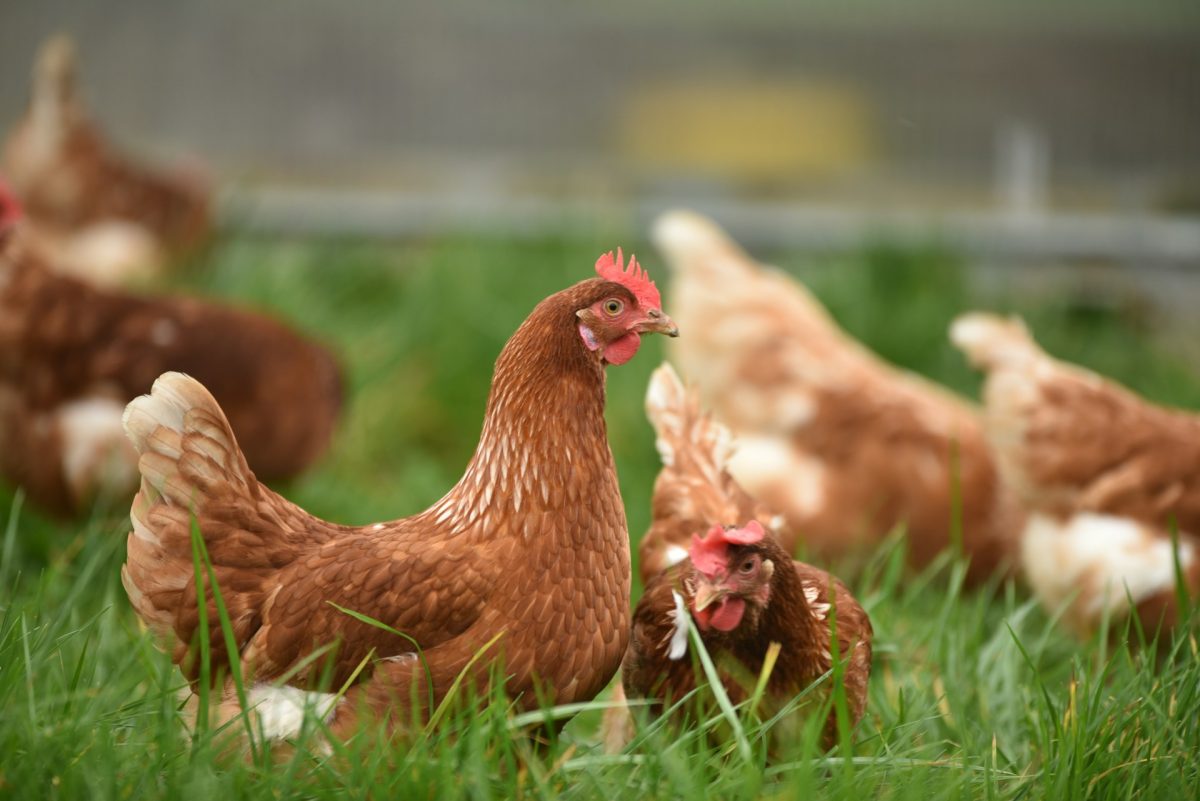
A successful garden doesn’t start at the garden center—it starts with resourcefulness. Rich soil builds strong plants, and strong plants deliver better harvests, but bagged fertilizer costs add up fast over a season. Savvy gardeners know that some of the best soil amendments come from unexpected places, and one of the most powerful sits just a few clicks away on local Facebook groups. Chicken manure, often treated as waste, holds incredible value for anyone serious about growing healthier, more productive plants.
Local communities quietly exchange this “black gold” every day, often for free, simply because chicken owners need to get rid of it. That creates a perfect opportunity for gardeners who want to cut costs while boosting soil fertility in a big way.
Why Chicken Manure Packs a Serious Punch for Soil Health and Plant Growth
Chicken manure delivers one of the most nutrient-dense organic fertilizers available to home gardeners. It contains high levels of nitrogen, phosphorus, and potassium, which fuel leafy growth, root development, and overall plant vigor. Unlike synthetic fertilizers, it also improves soil structure and feeds beneficial microbes that keep the garden ecosystem thriving. This natural boost helps retain moisture, reduce compaction, and support long-term soil health. Gardeners who use it consistently often notice stronger plants and higher yields within a single growing season.
Fresh chicken manure, however, requires careful handling because it contains concentrated nutrients and potential pathogens. Direct application can burn plants and disrupt soil balance, so proper composting becomes essential. Once aged or composted, it transforms into a safe, slow-release fertilizer that nourishes plants over time. Many experienced growers swear by its effectiveness, especially for heavy feeders like tomatoes, squash, and corn. The results speak for themselves when plants grow taller, greener, and more productive with minimal added cost.
How Local Facebook Groups Become a Hidden Goldmine for Gardeners
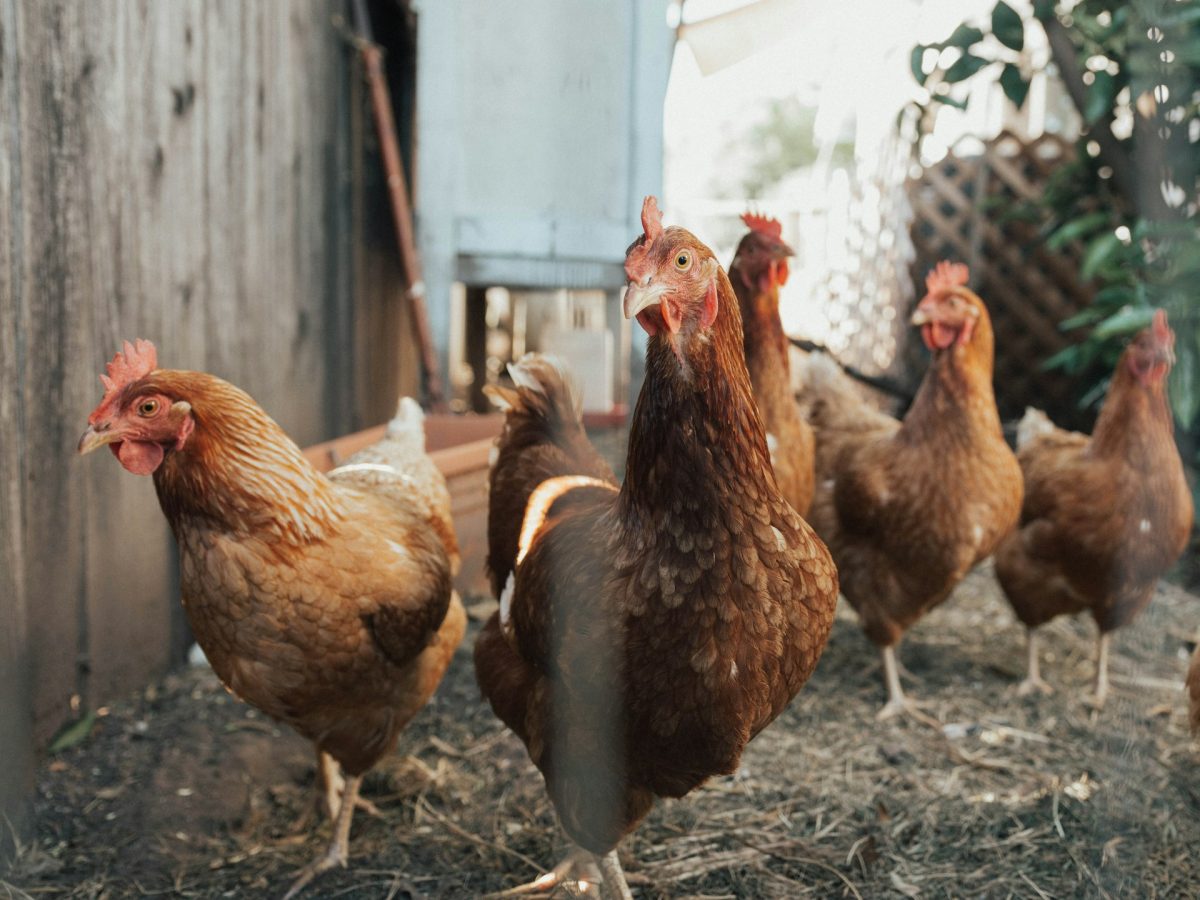
Community Facebook groups have quietly become one of the easiest ways to source free gardening materials. Chicken owners frequently post about excess manure, especially after coop cleanouts, because disposal can become a hassle. Gardeners who monitor these groups closely can jump on these offers quickly and secure a steady supply. A simple post asking for chicken manure often attracts multiple responses within hours. This exchange benefits both sides, creating a practical and sustainable solution.
Timing plays a key role in success when searching for these opportunities. Spring and early summer bring increased coop maintenance, which means more manure becomes available. Gardeners who stay active in local groups and respond promptly often build ongoing connections with chicken owners. Those relationships can lead to repeat pickups throughout the season. Over time, this network becomes a reliable source of free fertilizer that significantly reduces gardening expenses.
The Right Strategies for Scoring Free Chicken Manure Without the Hassle
Finding chicken manure online requires more than just scrolling—it calls for a proactive approach. Posting a clear, polite request that explains the intended use often encourages positive responses from local chicken keepers. Offering to bring containers and handle pickup without inconvenience makes the exchange even more appealing. Reliability matters, so showing up on time and communicating clearly builds trust for future opportunities. These small efforts can turn a one-time pickup into a steady supply arrangement.
Location and logistics also play an important role in making the process smooth. Transporting manure requires sturdy containers with secure lids to prevent spills and odors. Many gardeners use heavy-duty buckets or bins lined with compostable bags for easy handling. Keeping tools like gloves and a shovel handy ensures quick and efficient loading. With a bit of preparation, the entire process becomes simple and manageable, even for beginners.
Composting the Right Way for Safe and Effective Use
Proper composting transforms raw chicken manure into a garden-friendly powerhouse. Fresh manure contains high ammonia levels and harmful bacteria, so it needs time to break down before use. A well-managed compost pile reaches temperatures between 130 and 150 degrees Fahrenheit, which kills pathogens and stabilizes nutrients. Mixing manure with carbon-rich materials like straw, leaves, or wood chips creates the ideal balance for decomposition. This process usually takes several weeks to a few months, depending on conditions.
Consistency makes all the difference when composting chicken manure successfully. Turning the pile regularly introduces oxygen, which speeds up breakdown and prevents unpleasant odors. Moisture levels should stay similar to a damp sponge to keep microbial activity strong. Once the compost turns dark, crumbly, and earthy-smelling, it becomes safe for garden use. Applying it before planting or working it into the soil in fall prepares beds for a productive growing season ahead.
Common Mistakes Gardeners Make
Chicken manure delivers incredible benefits, but mistakes can quickly undo those advantages. Applying fresh manure directly to plants ranks as one of the most common errors, often leading to burned roots and stunted growth. Over-application also creates nutrient imbalances that harm soil health instead of improving it. Gardeners who treat it like a quick fix instead of a long-term amendment miss out on its full potential. Moderation and patience always produce better results.
Another frequent issue involves neglecting food safety practices when growing edible crops. Using improperly composted manure near harvest time increases the risk of contamination. Experts recommend applying composted manure at least 90 to 120 days before harvesting crops that touch the soil. This waiting period allows harmful bacteria to break down completely. Following these guidelines ensures both healthy plants and safe, high-quality produce.
Turning Local Connections Into Long-Term Gardening Success
Building relationships within local Facebook groups creates more than just access to free fertilizer. It opens the door to a network of growers, homesteaders, and backyard chicken keepers who share valuable knowledge and resources. These connections often lead to additional opportunities, such as trading produce, swapping seeds, or learning new gardening techniques. A simple manure pickup can evolve into a supportive community that strengthens gardening success. That kind of network proves invaluable over time.
Consistency and respect keep these relationships strong and mutually beneficial. Expressing gratitude, sharing results, and staying in touch encourage ongoing collaboration. Many chicken owners appreciate seeing how their waste contributes to thriving gardens. This cycle of sharing builds trust and keeps resources circulating within the community. In the long run, it transforms gardening from a solo activity into a shared, rewarding experience.
Where Resourcefulness Meets Rich Soil and Bigger Harvests
Great gardens don’t rely on expensive inputs—they thrive on smart decisions and creative solutions. Chicken manure represents one of the most effective ways to boost soil fertility without stretching the budget. Local Facebook groups provide an easy path to access this resource while building meaningful connections along the way. With proper handling and composting, this free material turns into a powerful tool for healthier plants and higher yields. That combination makes it one of the smartest moves any gardener can make.
What’s the most surprising or creative way you’ve found free gardening supplies in your community? Give us your thoughts, opinions, and experiences in the comments below.
You May Also Like…
The Over-Fertilizing Trap: Why Your Expensive Store-Bought Food is Killing Your Crops
Why Your “Organic” Soil Might Be Hiding a Dirty Secret
The Urine Secret: The “Gold” Fertilizer No One Wants to Talk About
Forget Fancy Fertilizers: The “Compost Tea” Recipe That Costs Zero Dollars
The $100 Mistake: Why Most New Gardeners Kill Their Plants in the First Week

Brandon Marcus is a staff writer for FrugalGardening.com at District Media, Inc., where he delivers practical gardening advice with a relatable, no-nonsense style. An avid amateur gardener, he holds a BA degree and with over ten years of professional writing experience, he is also an award-winning published author whose first book, Questions For Deep Thinkers, was released by Adams Media. His work has appeared in major publications including Fandom.com, CHUD.com, TheColdWire.com, and Fansided.com.
Leave a Reply