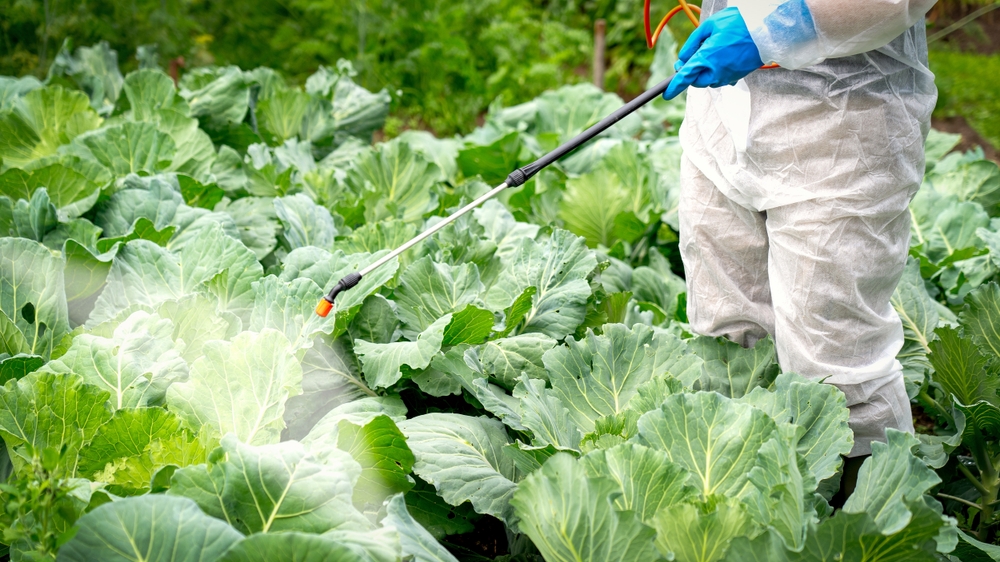
A stroll down the garden aisle reveals shelves packed with brightly labeled sprays promising instant results, pest-free leaves, and picture-perfect harvests. Those bottles carry price tags that quietly drain wallets while offering solutions many households already own. Gardeners often overlook the fact that common pantry staples can handle the same problems without the cost or chemical overload.
Salt, vinegar, baking soda, and even dish soap deliver powerful pest control when used correctly. Smart gardeners know that the real secret to thriving plants doesn’t sit on a store shelf—it already sits in the kitchen.
The Hidden Cost of Store-Bought Pesticides
Garden centers rely on marketing that sells convenience while hiding the long-term cost of chemical dependence. A single bottle may seem affordable, but repeated use throughout a growing season adds up quickly. Many products also target only one type of pest, forcing gardeners to buy multiple solutions for different problems. Chemical residues can linger on soil, plants, and produce, creating concerns for health-conscious households. Store-bought formulas often disrupt beneficial insects, which leads to more pest problems and even more spending.
Those costs don’t stop at the register, either. Chemical pesticides often weaken soil health over time, which reduces plant resilience and increases future pest outbreaks. That cycle pushes gardeners into buying fertilizers and soil treatments just to restore balance. Pantry-based solutions avoid that spiral because they work with nature instead of against it. A simple mix of dish soap and water can eliminate aphids without harming the ecosystem. When gardeners switch to DIY methods, they cut costs while strengthening the long-term health of their gardens.
Pantry Staples That Work Better Than You Think
Everyday kitchen items pack surprising pest-fighting power when used strategically in the garden. Vinegar acts as a natural weed killer by drying out unwanted growth on contact. Baking soda helps prevent fungal diseases like powdery mildew when mixed with water and applied lightly. Salt creates a barrier against slugs and snails, especially around raised beds or containers. Dish soap breaks down insect exoskeletons, making it one of the most effective and gentle solutions for soft-bodied pests.
These ingredients offer flexibility that store-bought pesticides rarely match. Gardeners can adjust concentrations depending on the severity of the problem, which prevents overuse and damage. A mild soap spray handles delicate herbs, while a stronger mix tackles stubborn infestations on hardy plants. Pantry solutions also eliminate the worry of toxic residue on fruits and vegetables. That peace of mind matters for anyone growing food at home, especially families with children or pets.

Why Natural Solutions Protect More Than Just Your Plants
Chemical pesticides don’t discriminate between harmful pests and beneficial insects. Bees, ladybugs, and butterflies often fall victim to broad-spectrum sprays, which disrupts pollination and natural pest control. Pantry-based alternatives allow gardeners to target specific problems without wiping out helpful species. That balance keeps ecosystems thriving and reduces the need for constant intervention. A healthy garden should function like a mini ecosystem, not a battleground.
Natural solutions also protect soil life, which plays a critical role in plant health. Microorganisms break down organic matter, improve nutrient absorption, and support root development. Chemical products can damage or kill these essential organisms, leading to weaker plants over time. Pantry remedies avoid that damage and often complement organic gardening practices. Strong soil leads to strong plants, and strong plants resist pests more effectively.
The Truth About Effectiveness and Safety
Skepticism often surrounds DIY solutions, especially when compared to heavily marketed commercial products. However, many pantry-based methods match or exceed the effectiveness of store-bought pesticides when applied consistently. Soap sprays, for example, show proven success against aphids, mites, and whiteflies. Vinegar-based weed control delivers immediate results for driveway cracks and garden edges. These solutions rely on direct contact, which makes proper application key to success.
Safety remains one of the biggest advantages of pantry remedies. Chemical pesticides often require protective gear, careful storage, and strict usage guidelines. Pantry ingredients eliminate most of those concerns when used responsibly. Gardeners still need to apply them carefully to avoid plant damage, especially with strong solutions like vinegar or salt. When used correctly, these methods offer a safer, more controlled approach to pest management.
Smart Gardeners Know Better Than to Overspend
Experienced gardeners recognize patterns that beginners often miss. They notice how quickly pests return after chemical treatments and how costs continue to climb. They also see how simple, consistent care prevents most issues before they start. Pantry-based solutions fit into that proactive approach, offering affordable and effective protection. Knowledge, not chemicals, drives the best results in any garden.
Budget-conscious households benefit the most from this shift in mindset. Instead of buying multiple products, they rely on a handful of versatile ingredients already in their homes. That approach reduces waste, saves money, and simplifies gardening routines. It also encourages experimentation and learning, which builds confidence over time. A thriving garden doesn’t require a big budget—it requires smart choices.
The Real Secret to a Healthier, Cheaper Garden
The biggest lie in gardening doesn’t involve pests at all—it involves the belief that expensive solutions guarantee better results. Pantry staples prove that effective pest control can remain simple, affordable, and safe. Gardeners who embrace these methods gain more control over their growing environment while reducing unnecessary expenses. They also build healthier soil, protect beneficial insects, and grow cleaner food. That combination delivers value far beyond anything found in a spray bottle.
Switching to pantry-based pest control doesn’t require a complete overhaul overnight. Small changes, like replacing one chemical spray with a DIY solution, can make a noticeable difference. Over time, those changes add up to a more sustainable and cost-effective gardening routine. The garden becomes easier to manage, and the results often improve.
What would happen if more households stopped buying into the pesticide myth and started using what they already have?
You May Also Like…
The Eggshell Secret: How One Kitchen Staple Saves You $50 in Pesticides
What to Plant for Natural Pest Control Without Sprays
March Garden Pests That Hide Underground
The “Milk Spray” Solution: The Weird Way to Stop Powdery Mildew
The “Native” Advantage: Why Local Plants Save You Hundreds in Maintenance

Brandon Marcus is a staff writer for FrugalGardening.com at District Media, Inc., where he delivers practical gardening advice with a relatable, no-nonsense style. An avid amateur gardener, he holds a BA degree and with over ten years of professional writing experience, he is also an award-winning published author whose first book, Questions For Deep Thinkers, was released by Adams Media. His work has appeared in major publications including Fandom.com, CHUD.com, TheColdWire.com, and Fansided.com.
Leave a Reply