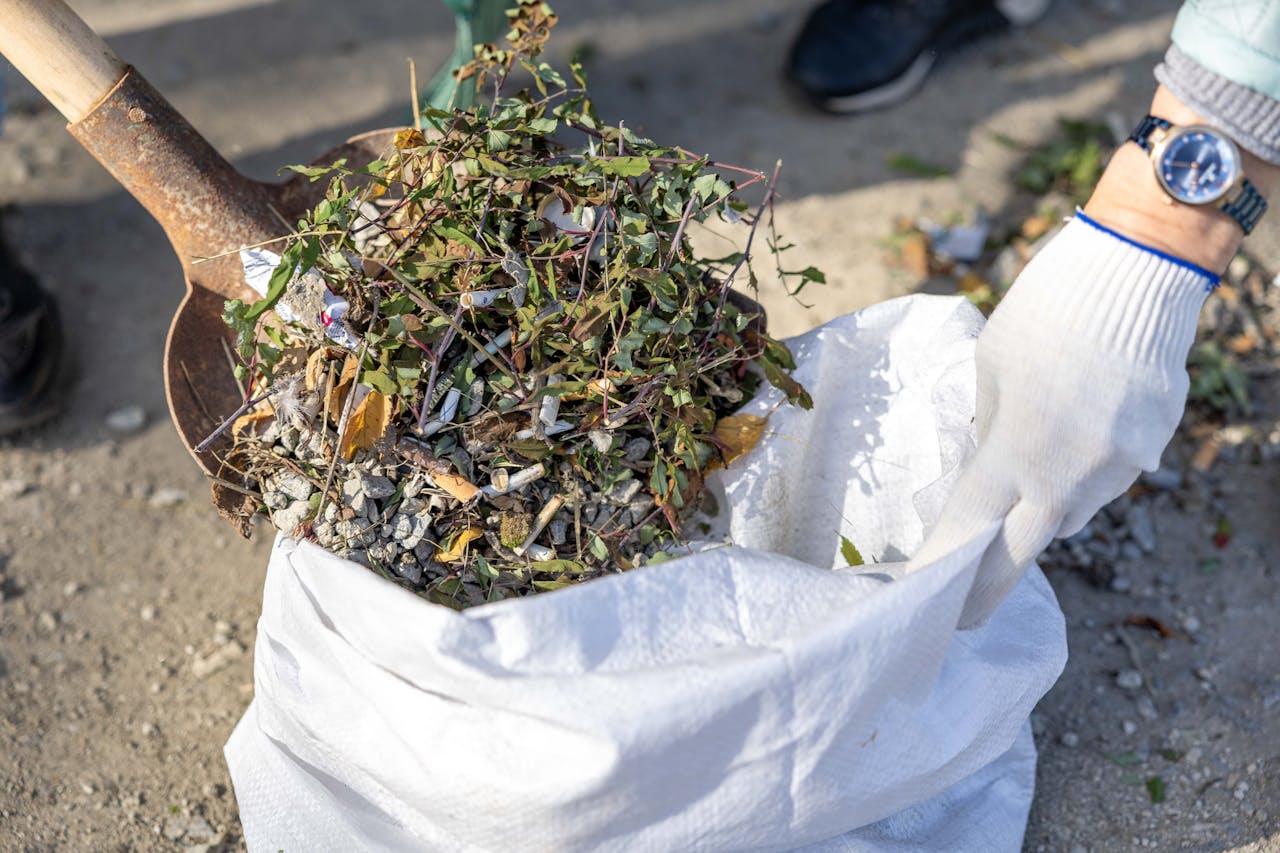
Fresh, crumbly soil that smells like a forest floor does not require a trip to the garden center or a pricey delivery fee. Yard waste sitting in bags, bins, and corners already holds the raw ingredients for rich compost that can replace store-bought soil amendments. Leaves, grass clippings, and kitchen scraps transform into nutrient-dense humus when the right balance and patience come into play.
Gardeners often overlook this “waste,” yet it quietly builds some of the most valuable soil on the planet. A simple system turns what gets tossed out into something that can easily match or beat a $100 haul from a nursery.
Why Yard Waste Is Secretly Backyard Gold
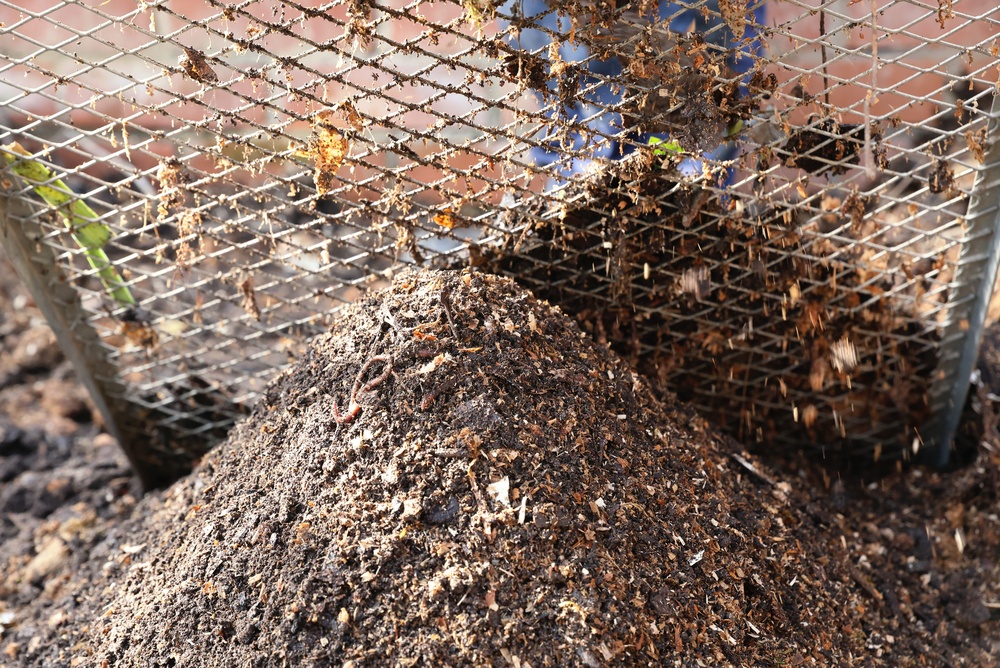
Leaves, grass clippings, and plant trimmings carry carbon and nitrogen that feed beneficial microbes in the soil. These materials break down naturally and create a dark, crumbly substance packed with nutrients that plants crave. Many people send these resources to landfills, which wastes both money and potential garden power. A single season of collected yard waste often produces enough compost to replace multiple bags of store-bought soil. Nature already designed this system, and the backyard simply becomes the processing site for transformation.
Microorganisms do the heavy lifting once the materials get stacked in the right conditions. Heat builds inside the pile as bacteria and fungi break everything down into simpler compounds. That heat also helps kill weed seeds and harmful pathogens when the pile reaches proper temperatures. Over time, the pile shrinks dramatically while gaining density and fertility. What started as clutter turns into one of the most valuable garden resources available for free.
The Free Compost Setup That Costs Nothing
A compost pile does not require fancy bins or expensive tools to work effectively. A simple corner of the yard with good drainage creates enough space to start the process immediately. Brown materials like dry leaves and shredded paper mix with green materials like vegetable scraps and fresh clippings. Layering these ingredients keeps the decomposition process active and balanced. Oxygen plays a major role, so turning the pile occasionally boosts microbial activity and speeds up results.
Moisture also determines success, since a pile that dries out slows decomposition significantly. A damp sponge texture keeps microbes thriving without drowning them. Rain often provides enough moisture, but dry weather may require occasional watering. Covering the pile with a tarp or natural layer of leaves helps regulate temperature and moisture levels. This simple setup costs nothing yet produces consistent results that rival commercial soil blends.
What To Add, What To Avoid, and Why It Matters
Kitchen scraps like fruit peels, coffee grounds, and vegetable trimmings accelerate composting and add essential nutrients. Grass clippings introduce nitrogen that fuels microbial activity and heat generation. Dry leaves, cardboard, and small twigs balance the mixture by supplying carbon. This balance between green and brown materials drives decomposition at an optimal pace. A well-balanced pile produces rich compost faster and reduces unpleasant odors.
Certain materials slow the process or introduce unwanted problems if added incorrectly. Meat, dairy, and oily foods attract pests and disrupt the microbial balance. Diseased plants can spread pathogens if they do not reach high enough temperatures. Large branches take too long to break down and should get chipped or excluded. Careful selection of inputs ensures a clean, safe, and effective composting process.
How $0 Compost Turns Into $100 Worth of Soil
Store-bought compost and soil amendments often cost between $5 and $10 per bag, and a single garden bed may require ten bags or more. A home compost system produces an equivalent amount over a season without any purchase required. The transformation happens quietly, yet the savings accumulate quickly as garden beds expand. Healthy compost improves soil structure, boosts water retention, and reduces the need for fertilizers. Plants grow stronger and resist disease more effectively when grown in nutrient-rich soil.
A mature compost pile can produce multiple cubic feet of usable soil conditioner each cycle. Gardeners often spread this material across vegetable beds, flower gardens, and container plants. The improvement in plant performance often reduces future costs on fertilizers and soil treatments. Over time, this cycle builds a self-sustaining system that keeps paying dividends. What once looked like waste turns into one of the most cost-effective garden investments available.
The Smart Gardener’s Habit That Keeps Paying Off
Consistency turns composting from a side project into a reliable soil factory. Regularly adding materials and turning the pile keeps decomposition steady and predictable. Seasonal habits, such as collecting fall leaves or summer clippings, ensure a constant supply of ingredients. Over time, the system builds resilience and reduces dependence on store-bought products. This habit creates a loop where waste becomes value again and again.
What simple yard “waste” could turn into the richest soil in your backyard right now? We want to hear your thoughts, stories, experiences, and opinions in the comments.
You May Also Like…
Forget Fancy Fertilizers: The “Compost Tea” Recipe That Costs Zero Dollars
How to Make Compost Tea to Improve Soil Health
13 Composting Ideas to Use Holiday Kitchen Waste in Your Garden
Why Your Compost Isn’t Heating Up
The “Trash” Fertilizer: 5 Household Waste Items Your Tomatoes Crave

Brandon Marcus is a staff writer for FrugalGardening.com at District Media, Inc., where he delivers practical gardening advice with a relatable, no-nonsense style. An avid amateur gardener, he holds a BA degree and with over ten years of professional writing experience, he is also an award-winning published author whose first book, Questions For Deep Thinkers, was released by Adams Media. His work has appeared in major publications including Fandom.com, CHUD.com, TheColdWire.com, and Fansided.com.
Leave a Reply