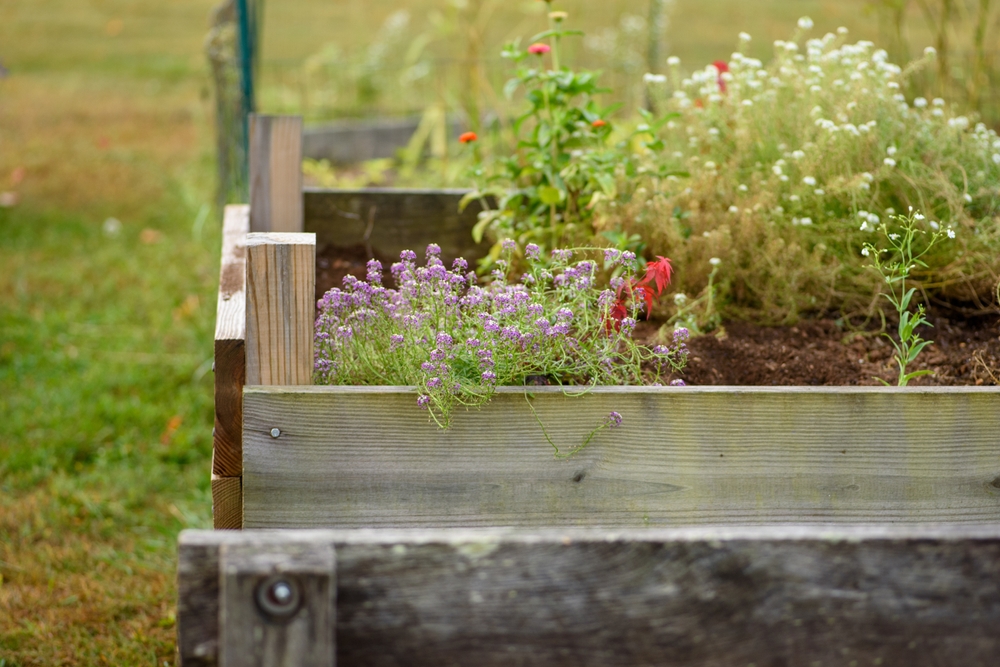
A raised bed that suddenly drops several inches in the middle of summer can spark instant panic. Plants lean at odd angles, watering changes overnight, and gardeners often assume the entire bed needs rebuilding. Fortunately, a sinking bed rarely signals disaster, and quick action can keep vegetables healthy for the rest of the season.
Most raised beds sink because the material inside naturally settles as organic matter breaks down. Heavy rain, loose soil, buried wood, or poor preparation underneath can also speed up the process. The good news? A careful inspection followed by a few smart adjustments usually solves the problem without sacrificing the harvest.
Why Raised Beds Suddenly Lose Height
Freshly built raised beds almost always settle during their first year. Compost shrinks as microbes break it down, air pockets disappear, and watering packs everything together. A bed that looked perfectly full in spring can easily lose several inches by midsummer without anything actually going wrong.
Sometimes the cause sits below the soil instead of inside it. Buried branches slowly rot, soft ground compresses under the weight of wet soil, or tunneling animals leave empty spaces beneath the bed. Those situations create uneven sinking rather than a smooth drop across the entire surface.
A quick inspection reveals plenty before any repairs begin. Check whether the wooden frame still sits level, look for gaps beneath the sides, and examine nearby soil for signs of erosion after heavy rain. Notice whether only one corner sank or whether the entire bed dropped evenly.
After the inspection, resist the temptation to dump a wheelbarrow full of soil directly on top of every plant. That shortcut buries stems, covers shallow roots, and stresses vegetables that already face enough challenges from summer heat. A more thoughtful approach keeps the garden productive while correcting the problem gradually.
The Safest Way to Raise the Soil Again
Adding fresh growing mix works far better than replacing everything. Spread one to two inches of quality compost or raised bed soil across open areas, then gently work it around plants without burying crowns or stems. Tomatoes appreciate extra soil around their stems, but peppers, beans, lettuce, squash, and many herbs do not.
If the bed sank dramatically, add soil in stages instead of all at once. Give the garden several days between additions so water settles everything naturally. That gradual approach protects roots and prevents sudden changes to moisture levels.
Water thoroughly after every addition. Moisture helps new soil settle around existing roots while eliminating hidden air pockets. A slow soaking also reveals whether the bed still drains properly after the repair. Finish with a light layer of mulch once everything settles into place. Mulch slows evaporation, reduces erosion from summer storms, and keeps newly added soil from washing away during the next heavy rain.
Gardeners often notice an unexpected bonus after topping off a settled bed. Fresh organic material gives vegetables another burst of nutrients just as many crops begin producing heavily, making the repair feel more like a seasonal tune-up than an emergency project.
When Sinking Signals a Bigger Problem
Not every sinking raised bed results from ordinary settling. A corner that suddenly drops several inches overnight deserves closer attention because something underneath may have shifted. Heavy rainfall sometimes washes soil away beneath the frame, especially on sloped ground.
Wooden sides also deserve a careful inspection. Rotting boards lose strength, allowing soil pressure to push the frame outward. Bulging sides, separated corners, or cracked fasteners indicate structural problems that simple soil additions cannot solve.
Animal activity occasionally surprises gardeners as well. Chipmunks, groundhogs, voles, and other burrowing visitors create hidden tunnels beneath raised beds. Drainage deserves equal attention. Water that pools inside the bed after every rain signals compacted soil or blocked drainage underneath. Healthy raised beds should drain well while still holding enough moisture for plant roots.
Large structural problems often wait until autumn for permanent repairs. Unless the frame looks unsafe or ready to collapse, supporting vegetables through the growing season usually causes less disruption than tearing everything apart during peak production.
Temporary solutions work surprisingly well. Stakes, braces, or carefully packed soil around weak areas often stabilize the bed until cooler weather arrives, when rebuilding becomes much easier and plants no longer occupy every square inch.
Build a Bed That Stays Put for Years
A little preparation saves countless headaches before the next gardening season begins. Remove thick layers of grass, level the ground carefully, and avoid burying large logs or bulky debris beneath new beds unless the design intentionally calls for long-term decomposition.
Fill new beds generously during construction. Slightly overfilling allows natural settling without leaving the bed looking half empty by midsummer. Many gardeners expect the soil level to stay exactly where it started, but nature almost always has different plans.
Refreshing the surface every spring keeps raised beds productive and attractive. One or two inches of compost replaces material lost through decomposition while feeding vegetables for another season. That simple annual habit prevents dramatic sinking from catching anyone off guard.
Avoid stepping inside raised beds whenever possible. Foot traffic compresses soil quickly, reducing drainage and speeding uneven settling. Narrow paths around the beds make maintenance easier while protecting the growing area.
Raised beds continue changing every year because soil remains alive with worms, fungi, microbes, and plant roots. That constant movement signals a healthy garden, not a failed one. Gardeners who accept a little settling as part of the process often spend less time worrying and more time harvesting. Instead of chasing perfection, they focus on maintaining healthy soil, sturdy frames, and consistent watering, which ultimately produces better vegetables season after season.
A Little Settling Doesn’t Mean the Garden Is in Trouble
A sinking raised bed looks dramatic, but it usually tells a simple story. Organic matter breaks down, soil settles, and gardens evolve with every season. A careful inspection, gradual soil additions, and attention to drainage keep most beds productive without major reconstruction. The best gardeners treat settling as routine maintenance instead of a crisis, and their harvests often prove that calm approach works beautifully.
Has a raised bed ever surprised with unexpected settling, or did another garden problem turn out to have a simple fix? Share the story and favorite repair tips in the comments below.
You May Also Like…
What Should You Do With Garlic Beds After Harvest?
Why Do Some Garden Beds Stay Wet Long After a Storm?
Can Reflective Mulch Improve Harvests in Small Vegetable Beds?
Can a Garden Bed Pay for Itself? A Realistic Cost Breakdown
The Tool That’s Breaking and Ruining Raised Beds Across the South

Brandon Marcus is a staff writer for FrugalGardening.com at District Media, Inc., where he delivers practical gardening advice with a relatable, no-nonsense style. An avid amateur gardener, he holds a BA degree and with over ten years of professional writing experience, he is also an award-winning published author whose first book, Questions For Deep Thinkers, was released by Adams Media. His work has appeared in major publications including Fandom.com, CHUD.com, TheColdWire.com, and Fansided.com.
Leave a Reply