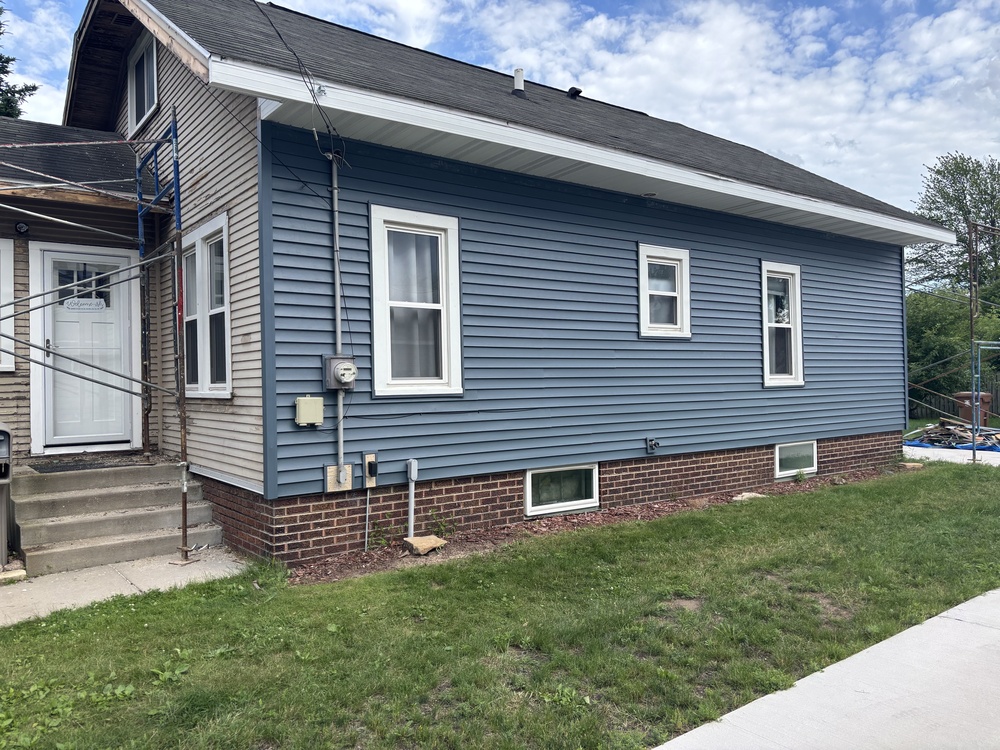
Every yard has that awkward skinny strip running between the house and the fence. Lawn mowers hate it, weeds seem to love it, and many homeowners simply ignore it. That little slice of land often sits in partial sun and looks too cramped for a traditional garden.
That assumption leaves a surprising amount of growing space unused. With the right crop choices, even a narrow side yard can produce baskets of fresh vegetables and herbs without taking over the rest of the landscape. Several plants actually prefer growing upward instead of outward, making these forgotten spaces some of the hardest-working spots in the garden.
1. Pole Beans Turn Empty Walls Into Living Green Curtains
Pole beans seem to treat a narrow side yard like a climbing gym. Give them a sturdy trellis, cattle panel, or strings attached to a frame, and the vines quickly head skyward instead of spreading across valuable ground. That vertical habit keeps walkways open while producing a generous harvest over many weeks.
Harvesting also becomes much easier because the beans hang at eye level instead of hiding beneath leaves near the soil. Regular picking encourages more flowers and more beans throughout the season. Good air circulation around vertical vines also helps reduce many common fungal problems that appear when plants crowd together. Just make sure the support stands securely before the vines become heavy with foliage and pods.
2. Cucumbers Love Going Up Instead of Out
Cucumber vines naturally scramble across the ground, but they behave even better when gardeners encourage them to climb. A simple trellis transforms a narrow passage into a productive growing area while keeping fruit cleaner and easier to spot. Instead of hunting through tangled leaves, gardeners can simply walk alongside the vines and gather crisp cucumbers in minutes.
Vertical growing also improves airflow around the leaves, which helps foliage dry more quickly after rain or watering. Better airflow often reduces disease pressure during humid weather. Long, straight cucumbers also develop more evenly because gravity keeps the fruit hanging naturally instead of curling across uneven soil. Compact slicing varieties and many pickling cucumbers fit especially well into these skinny growing spaces.
3. Leaf Lettuce Delivers Big Harvests From Small Spaces
Not every crop needs blazing sunshine all day. Leaf lettuce actually appreciates a little afternoon shade during warmer months, making many side yards surprisingly suitable. That cooler environment can slow bolting and keep leaves tender longer than plants growing in full afternoon sun.
Instead of planting one large crop, sow small batches every couple of weeks. Fresh leaves keep arriving while older plants finish producing, creating a steady supply for salads and sandwiches. Loose-leaf varieties also allow gardeners to harvest only the outer leaves while the center continues growing. A narrow raised bed just a couple of feet wide can provide weeks of fresh greens without demanding much space at all.
4. Swiss Chard Brings Color Along With Continuous Harvests
Swiss chard often steals the show before anyone even tastes it. Bright stems in shades of red, orange, yellow, and pink brighten an otherwise forgotten side yard and give the space ornamental appeal alongside edible value. Many visitors mistake it for a decorative landscape plant until harvest time arrives.
Unlike crops that produce only once, Swiss chard rewards regular harvesting for months. Snip the outer leaves first and allow the center to keep producing fresh growth. The large leaves tolerate heat better than many salad greens, making chard an excellent option when summer temperatures climb. It also handles partial shade surprisingly well, especially in regions where afternoon sun becomes intense.
5. Herbs Pack Incredible Flavor Into Tiny Corners
Herbs may offer the biggest reward for the smallest investment of space. Basil, parsley, cilantro, dill, chives, thyme, and oregano all fit comfortably into narrow planting strips or containers tucked along a walkway. Even a modest row supplies enough fresh flavor to transform everyday meals throughout the growing season.
Many herbs also attract pollinators once they flower, bringing bees and beneficial insects into the garden. Several varieties release pleasant aromas whenever someone brushes past them, making that once-forgotten side yard feel surprisingly inviting. Keep taller herbs toward the back and shorter selections near the path so every plant receives enough light. Frequent harvesting encourages fresh growth while preventing many herbs from becoming woody or overly tall.
The Skinny Strip Might Become the Most Productive Part of the Yard
Side-yard gardens reward creativity more than square footage. Vertical supports, thoughtful plant selection, and smart spacing allow even narrow strips of land to produce impressive harvests throughout the growing season. Instead of fighting the limitations, successful gardeners work with the shape of the space.
The biggest mistake involves planting crops that spread aggressively across the ground. Choosing plants with upright habits or compact growth keeps the area accessible while making maintenance much easier. A layer of mulch also helps conserve moisture, suppress weeds, and reduce muddy walkways after rain. Before long, that overlooked passage between the house and the fence starts producing fresh dinners instead of collecting weeds and forgotten garden tools.
Which of these side-yard crops would earn the first spot in a garden makeover? Share favorite small-space gardening ideas or success stories in the comments below!
You May Also Like…
6 Reasons Gardeners Are Mixing Herbs Into Flower Borders
7 Ways to Build a Backyard Retreat With Plants You Already Own
Are Smart Irrigation Timers Worth It for a Tiny Yard?
Drought‑Resistant Herbs and Spices: Rosemary, Thyme and Sage Thrive with Minimal Water
Can a Mini Bog Garden Work in a Small Backyard?

Brandon Marcus is a staff writer for FrugalGardening.com at District Media, Inc., where he delivers practical gardening advice with a relatable, no-nonsense style. An avid amateur gardener, he holds a BA degree and with over ten years of professional writing experience, he is also an award-winning published author whose first book, Questions For Deep Thinkers, was released by Adams Media. His work has appeared in major publications including Fandom.com, CHUD.com, TheColdWire.com, and Fansided.com.
Leave a Reply