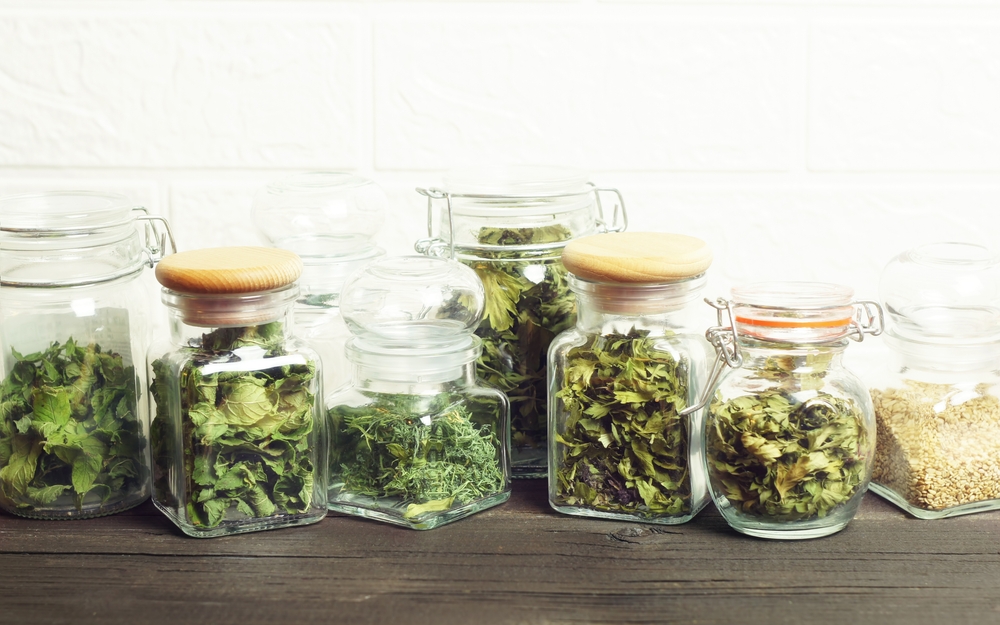
A garden overflowing with basil, parsley, cilantro, or mint feels like a victory, right up until the kitchen counter starts looking like a tiny herb jungle. A sudden herb harvest does not need to become a race against wilting leaves and forgotten bundles. With a few inexpensive tricks, gardeners can preserve that fresh flavor and enjoy homegrown herbs long after the garden slows down.
Herb storage does not require fancy equipment or a cabinet full of specialty gadgets. Simple household items, a little preparation, and a few smart techniques can turn a huge harvest into a supply of flavorful ingredients that brighten soups, sauces, salads, and countless weeknight meals.
1. Freeze Herbs in Ice Cube Trays for Easy Flavor Boosts
Freezing herbs in ice cube trays gives gardeners one of the easiest ways to save a large harvest without spending much money. This method works especially well for basil, cilantro, parsley, dill, and chives because those herbs handle freezing better than long-term refrigeration. A quick rinse, gentle drying, and a little chopping create ready-to-use portions for future meals. Olive oil or water can fill the trays around the chopped herbs, depending on how someone plans to use them. A single cube can add a garden-fresh touch to pasta sauce, roasted vegetables, or a bowl of soup.
The trick involves removing as much moisture as possible before freezing because excess water can create icy, flavorless herbs. Clean kitchen towels or salad spinners help remove extra moisture without bruising delicate leaves. After the cubes freeze solid, transfer them into labeled freezer bags to save space. Labels matter more than many gardeners expect because frozen green cubes start to look surprisingly similar after a few months.
2. Dry Herbs Naturally for Long-Term Pantry Storage
Air drying remains one of the oldest and most affordable ways to preserve herbs, and it still works beautifully for the right plants. Oregano, thyme, rosemary, sage, and lavender contain less moisture than tender herbs, which makes them excellent candidates for drying. Small bundles tied with string can hang in a dry, dark area with good airflow. A kitchen window might look charming with hanging herbs, but sunlight can reduce color and flavor over time. A pantry corner or unused room often creates a better drying environment.
Gardeners should avoid washing herbs right before drying unless dirt requires cleaning because extra moisture slows the process. Once the leaves crumble easily between fingers, glass jars can protect the dried herbs from humidity. Whole dried leaves often keep more aroma than crushed leaves, so crushing them right before cooking creates a stronger flavor. This simple method turns a summer harvest into a winter seasoning collection.
3. Make Homemade Herb Butter for Quick Meals
Herb butter transforms an ordinary harvest into something that feels restaurant-worthy without a restaurant-sized grocery bill. Softened butter mixed with chopped herbs creates a versatile ingredient for bread, vegetables, fish, chicken, and pasta. Basil, parsley, rosemary, and chives all work wonderfully in these flavorful mixtures. Gardeners can shape the butter into logs, wrap them tightly, and freeze portions for later use. Each slice delivers a small reminder of the garden during colder months.
This method also helps prevent waste when herbs start reaching their peak all at once. A large handful of parsley or chives can disappear quickly when mixed into butter. Adding garlic, lemon zest, or cracked pepper creates even more variety. The freezer keeps these herb-packed portions ready whenever a meal needs a quick upgrade.
4. Preserve Herbs in Vinegar for Bright Kitchen Flavors
Herb-infused vinegar offers another inexpensive option that adds personality to homemade dressings and marinades. Fresh herbs such as tarragon, basil, rosemary, and thyme can add unique flavors to plain vinegar. Clean glass jars, fresh herbs, and a quality vinegar create the foundation for this simple project. The mixture needs time to develop flavor, so patience becomes part of the recipe. A few weeks later, the result can add a garden-inspired twist to everyday meals.
Safety matters when preserving herbs in liquids because improper storage can create problems. Vinegar with sufficient acidity provides a safer environment than oil-based mixtures for room-temperature storage. Homemade herb vinegar should stay refrigerated unless someone follows a tested preservation recipe. Small batches make sense because they allow gardeners to enjoy fresh flavors while keeping quality high.
5. Create Herb Salt for a Simple Seasoning Upgrade
Herb salt might become the easiest homemade gift hiding in the garden. This simple blend combines chopped fresh herbs with salt to create a seasoning that adds depth to vegetables, meats, and homemade snacks. Rosemary, thyme, sage, and parsley pair especially well with salt. A food processor can combine the ingredients quickly, but a knife and cutting board work just fine. The mixture then needs drying time before storage.
The biggest advantage of herb salt comes from its simplicity. It requires no freezer space, special equipment, or complicated steps. Small jars make convenient gifts for neighbors, friends, or fellow gardeners. A tiny sprinkle can deliver the taste of a summer garden even months after harvest season ends.
6. Turn Extra Herbs Into Pesto and Freeze It
Pesto gives fast-growing herbs like basil a delicious second life. Traditional pesto combines basil, nuts, garlic, cheese, olive oil, and seasonings into a flavorful sauce that freezes well. Gardeners can adjust recipes with parsley, spinach, or other greens when basil becomes scarce. Small containers or freezer bags help create meal-sized portions. This approach prevents a mountain of basil from becoming a compost pile before its time.
One helpful tip involves freezing pesto without cheese and adding fresh cheese after thawing. This approach can help maintain texture and flavor during storage. Frozen pesto works beyond pasta because it can season sandwiches, roasted vegetables, and grain bowls. A big harvest suddenly becomes a convenient ingredient instead of a kitchen challenge.
Turn Garden Surplus Into Future Flavor
A sudden herb harvest represents a gardening success story, not a storage problem. Freezing, drying, mixing, and preserving allow gardeners to capture the best flavors from their plants without expensive supplies. The right method depends on the herb, the available space, and how the flavors will appear in future meals. Even a small kitchen garden can provide months of delicious additions with a little planning. The next time herbs grow faster than expected, the solution might already sit in the kitchen cabinet.
Which low-cost herb storage method would you try first, and what creative ways do you use to save your garden harvest? Write about your ideas below for others to enjoy.
You May Also Like…
6 Reasons Gardeners Are Mixing Herbs Into Flower Borders
Drought‑Resistant Herbs and Spices: Rosemary, Thyme and Sage Thrive with Minimal Water
Why More People Are Growing Herbs Instead of Buying Them
6 Ways to Keep Cut Flowers Fresh Longer After Harvest
What Should You Do When Beans Stop Flowering in High Heat?

Brandon Marcus is a staff writer for FrugalGardening.com at District Media, Inc., where he delivers practical gardening advice with a relatable, no-nonsense style. An avid amateur gardener, he holds a BA degree and with over ten years of professional writing experience, he is also an award-winning published author whose first book, Questions For Deep Thinkers, was released by Adams Media. His work has appeared in major publications including Fandom.com, CHUD.com, TheColdWire.com, and Fansided.com.
Leave a Reply