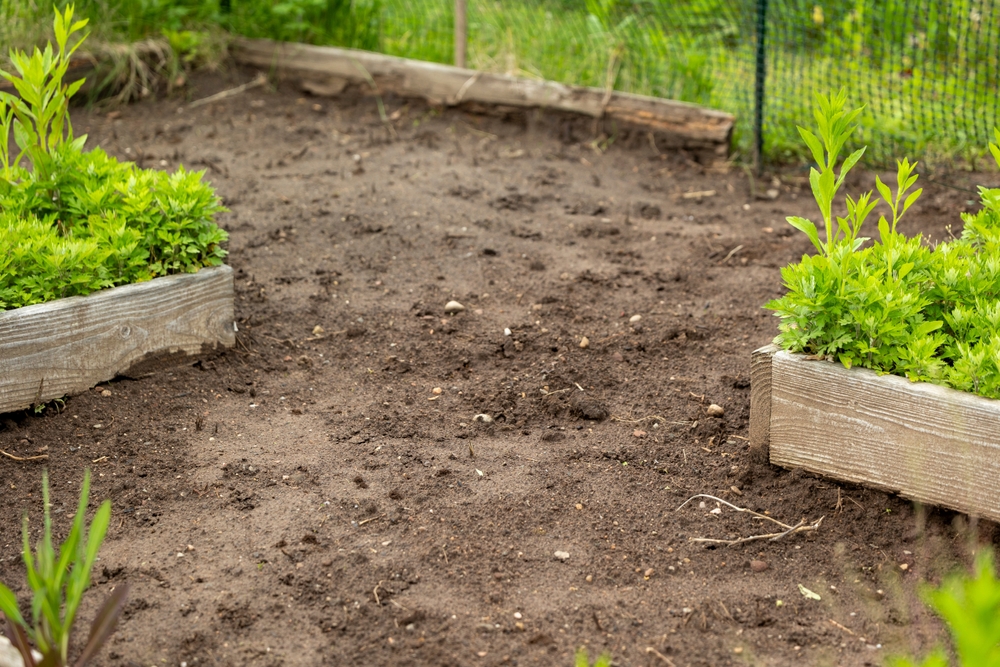
Backyards across the country are getting a quiet makeover, and it doesn’t involve fancy tools or expensive soil treatments. Gardeners have started ditching the shovel and embracing a smarter, easier approach that delivers healthier plants with less effort. The no-till gardening method flips traditional advice on its head by encouraging people to stop digging entirely.
That simple shift can cut costs, save hours of labor, and dramatically improve soil quality over time. For anyone looking to grow more while spending less, this approach offers a refreshing—and surprisingly powerful—solution.
What Is No-Till Gardening and Why It Works
No-till gardening focuses on leaving soil undisturbed while building its health from the top down. Instead of turning over dirt every season, this method relies on layering organic materials like compost, mulch, and leaves. Those layers break down naturally and feed beneficial organisms that create rich, fertile soil. Earthworms and microbes thrive in this environment, improving aeration and nutrient distribution without any digging required. The result delivers stronger plants, better moisture retention, and fewer weeds competing for space.
How No-Till Gardening Saves You Money
Traditional gardening often leads to repeated spending on fertilizers, soil amendments, and replacement plants. No-till gardening reduces those costs by creating a self-sustaining ecosystem that improves year after year. Healthy soil holds nutrients more effectively, which means fewer store-bought products enter the picture.
Gardeners also waste less water because the layered soil retains moisture far longer than tilled ground. Over time, this method transforms a backyard into a low-cost, high-yield growing space that practically pays for itself.
Why Your Body Will Thank You
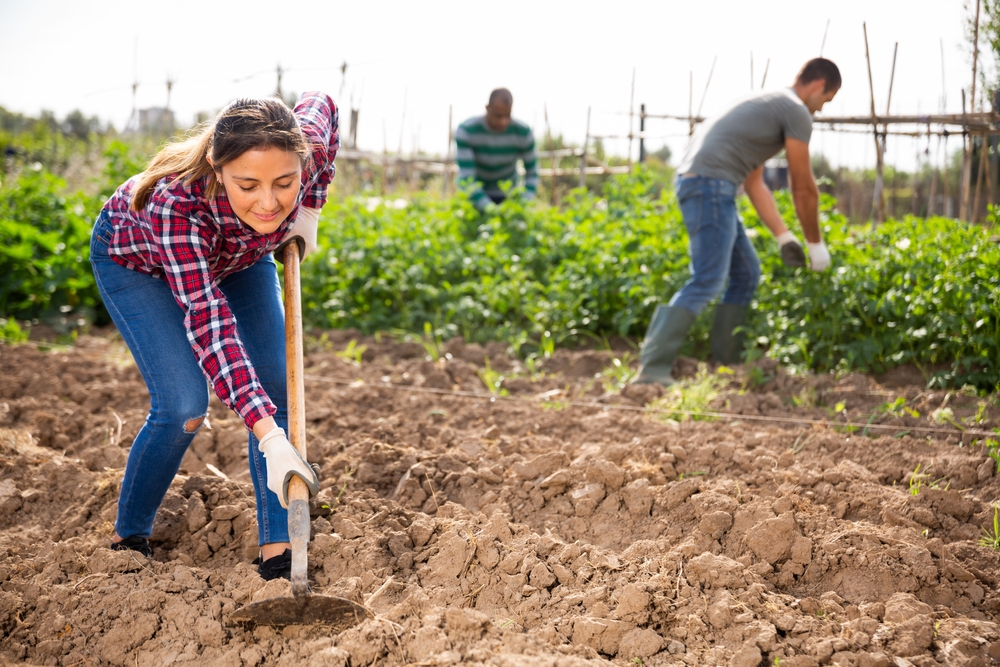
Digging, turning, and hauling soil takes a serious toll on the body, especially during peak planting season. No-till gardening eliminates most of that strain by removing the need for heavy manual labor. Garden beds stay intact, and planting becomes as simple as pulling back mulch and adding seeds or seedlings. This approach reduces the risk of back pain, muscle fatigue, and repetitive strain injuries. It turns gardening into a more relaxing, sustainable hobby rather than a physically exhausting chore.
The Environmental Benefits You Can’t Ignore
Healthy soil acts as a powerful carbon sink, and no-till gardening supports that natural process. By avoiding disturbance, the soil retains more carbon instead of releasing it into the atmosphere. This method also prevents erosion, which often occurs when loose soil gets exposed to wind and rain.
Water runoff decreases significantly, keeping nutrients where plants need them most. These benefits make no-till gardening an eco-friendly choice that supports both local ecosystems and broader environmental health.
Getting Started Without Overcomplicating Things
Starting a no-till garden doesn’t require a complete overhaul or expensive supplies. A simple approach involves laying down cardboard or newspaper to suppress existing weeds. Adding layers of compost, straw, or shredded leaves on top creates the foundation for healthy soil. Planting can begin right away by cutting small openings in the layers and inserting seeds or seedlings. Consistency matters more than perfection, so adding organic material regularly keeps the system thriving.
Common Misconceptions About No-Till Gardening
Some gardeners worry that skipping tilling leads to compacted soil that stunts plant growth. In reality, natural soil organisms handle aeration far better than mechanical tools ever could. Others assume this method invites pests, but a balanced ecosystem actually discourages harmful infestations. Weeds may still appear, yet thick mulch layers make them easier to manage and less aggressive. These misconceptions often fade quickly once gardeners see the results firsthand.
What Gardeners Experience Over Time
The first season of no-till gardening often shows modest improvements, but the real magic happens over time. Soil becomes darker, richer, and easier to work with each passing year. Plants grow more vigorously and require less maintenance, especially when it comes to watering and fertilizing.
Gardeners frequently report higher yields and better-tasting produce as soil health improves. This long-term payoff makes no-till gardening one of the smartest strategies for sustainable food production.
Why This Method Changes the Way You Garden Forever
No-till gardening shifts the focus from controlling nature to working alongside it. This method encourages patience, observation, and smarter decision-making rather than brute force. The combination of lower costs, reduced effort, and better results creates a compelling reason to stick with it. Once the soil begins to thrive, returning to traditional digging feels unnecessary and inefficient. That lasting transformation turns a simple technique into a complete mindset shift for modern gardeners.
Ready to Put the Shovel Away for Good?
No-till gardening proves that less work can actually lead to better results when done the right way. By focusing on soil health, reducing costs, and protecting the environment, this method offers a practical solution for both beginners and experienced gardeners. The long-term benefits make it an easy choice for anyone looking to grow more while spending less time and money. With consistent layering and a little patience, even small spaces can become highly productive gardens.
What would your garden look like if you stopped digging and let nature do the heavy lifting? Let’s hear about it in the comments section below.
You May Also Like…
Plants You Can Still Start Indoors for Free
Rental Friendly Gardening: 5 Ways to Grow Food Without Losing Your Deposit
This Viral Gardening Hack Is Quietly Killing Plants — And Costing You More
Spring Cleaning Your Soil: The $0 Way to Wake Up Your Garden
Garden Experts Warn: These 7 Plants Could Be Destroying Your Soil Without You Knowing

Brandon Marcus is a staff writer for FrugalGardening.com at District Media, Inc., where he delivers practical gardening advice with a relatable, no-nonsense style. An avid amateur gardener, he holds a BA degree and with over ten years of professional writing experience, he is also an award-winning published author whose first book, Questions For Deep Thinkers, was released by Adams Media. His work has appeared in major publications including Fandom.com, CHUD.com, TheColdWire.com, and Fansided.com.
Leave a Reply