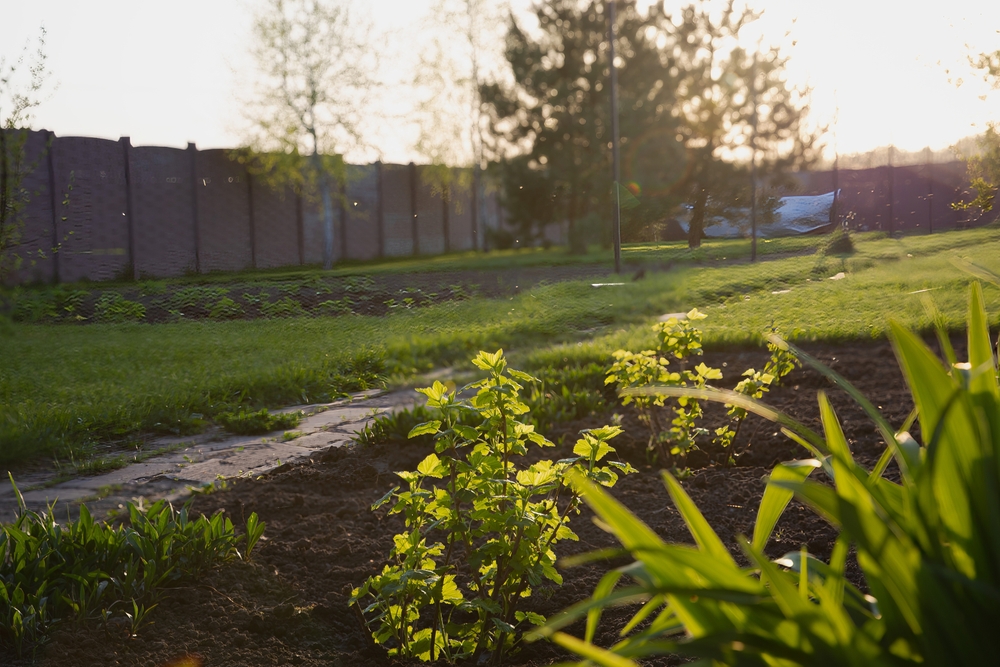
Summer sun doesn’t just grow tomatoes—it can completely transform how long and how well a garden produces. Smart gardeners have started using solar-powered gardening tricks to stretch their growing season far beyond traditional limits. By capturing and redirecting heat that already exists, plants thrive earlier in spring and keep producing deep into fall.
This approach doesn’t require expensive tech or complicated systems, just a clever use of sunlight and simple materials. The result feels almost like gardening with a secret advantage that pays off in both harvest size and savings.
What Solar-Powered Gardening Really Means
Solar-powered gardening focuses on capturing, storing, and reusing heat from the sun to create a more stable growing environment. Instead of letting warmth disappear after sunset, gardeners trap that heat to protect plants during cooler nights. Materials like water barrels, stones, and dark surfaces absorb heat during the day and release it slowly after temperatures drop.
This creates a microclimate that keeps soil warmer and reduces stress on plants. The concept sounds simple, but the impact on plant growth can feel dramatic when done correctly.
How Heat Storage Extends Your Growing Season
Plants depend on consistent temperatures, and sudden cold snaps can slow growth or kill delicate crops. Solar-powered gardening reduces that risk by stabilizing temperature swings throughout the day and night. A garden that holds onto warmth can start planting weeks earlier in spring and continue weeks later into fall. This extended window can effectively triple the productive season for certain crops like lettuce, peppers, and herbs. Gardeners often notice faster germination, stronger roots, and more reliable yields when heat stays consistent.
Simple Materials That Do the Heavy Lifting
No high-tech gadgets are required to make solar-powered gardening work effectively. Black-painted containers filled with water act as heat batteries, absorbing sunlight during the day and releasing warmth overnight. Stones, bricks, and even gravel paths can store heat and help regulate the surrounding soil temperature. Cold frames and low tunnels trap warm air, creating a mini greenhouse effect without the cost of a full structure. These affordable tools make it easy for beginners to experiment without a large upfront investment.
Strategic Garden Placement Makes a Big Difference
Location plays a huge role in how well solar-powered gardening performs. South-facing areas receive the most sunlight, making them ideal for maximizing heat absorption throughout the day. Placing heat-retaining materials behind or around plants creates a protective buffer against wind and cold air. Walls, fences, and raised beds can reflect and trap warmth, amplifying the overall effect. Even small adjustments in placement can lead to noticeably warmer soil and healthier plants.
Common Mistakes That Can Limit Results
Solar-powered gardening works best when balance stays in check, and too much heat can cause problems. Overheating can stress plants, especially during peak summer months when temperatures already run high. Poor airflow can trap excessive humidity, increasing the risk of mold or disease.
Using the wrong materials, like light-colored surfaces that reflect instead of absorb heat, reduces effectiveness. Paying attention to ventilation and monitoring temperatures ensures the system helps rather than harms plant growth.
Results That Make It Worth It
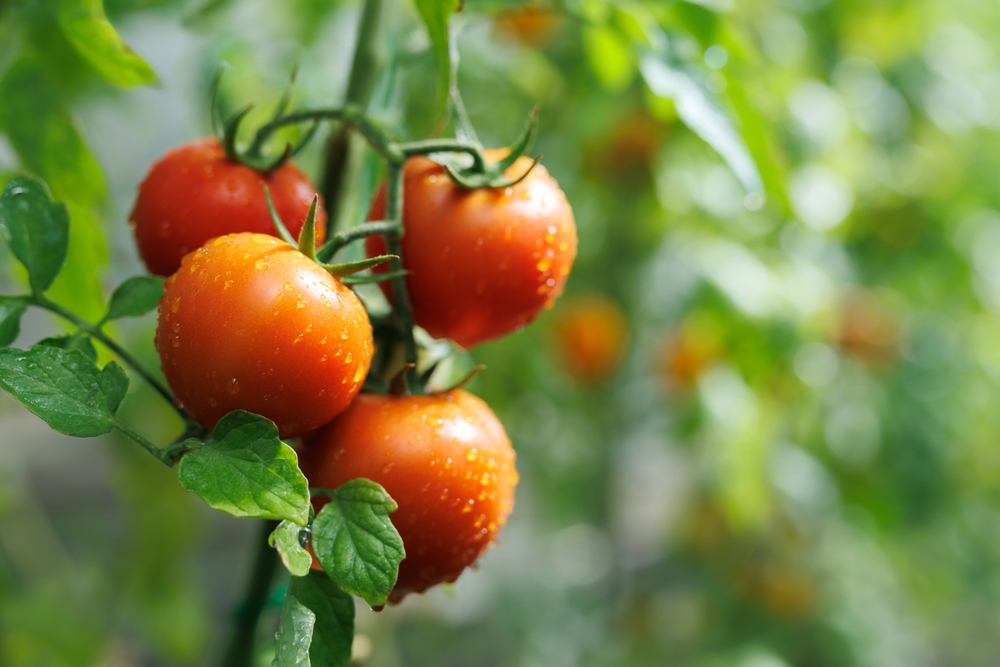
Gardeners who use solar-powered gardening techniques often report earlier harvests and longer production periods. Leafy greens can survive mild frosts when protected by stored heat, allowing for continuous harvesting. Tomatoes and peppers benefit from warmer soil, producing more fruit over a longer stretch of time.
Even small backyard setups can yield noticeably larger harvests compared to traditional methods. These results translate into real savings on grocery bills and a more reliable food supply.
Why This Trick Saves More Than Just Plants
Solar-powered gardening doesn’t just extend the growing season—it also cuts costs and reduces reliance on external resources. By using free heat from the sun, gardeners avoid spending money on electric heaters or expensive greenhouse systems. The method supports sustainability by reducing energy consumption while boosting productivity. It also creates a more resilient garden that can handle unpredictable weather changes. Over time, this approach turns a simple garden into a highly efficient, self-supporting system.
Turn Sunlight Into a Year-Round Advantage
Solar-powered gardening turns an everyday resource into a powerful growing tool that keeps gardens productive longer. With a few smart adjustments, even small spaces can benefit from extended seasons and healthier plants. The key lies in understanding how to capture and reuse heat effectively without overcomplicating the process. Consistency and observation help fine-tune the setup for the best results. Once the system clicks, gardening starts to feel less seasonal and more continuous.
What simple solar-powered gardening trick would be easiest to try in your own space? We want to hear your ideas and plans in the comments below.
You May Also Like…
The “Trash” Fertilizer: 5 Household Waste Items Your Tomatoes Crave
Turning Pallets into Gold: How to Build a Vertical Garden for $0
Cheap Support Ideas for Vining Plants Like Tomatoes and Beans
This Backyard Weed Is Hosting a Virus That’s Killing Tomato Plants

Brandon Marcus is a staff writer for FrugalGardening.com at District Media, Inc., where he delivers practical gardening advice with a relatable, no-nonsense style. An avid amateur gardener, he holds a BA degree and with over ten years of professional writing experience, he is also an award-winning published author whose first book, Questions For Deep Thinkers, was released by Adams Media. His work has appeared in major publications including Fandom.com, CHUD.com, TheColdWire.com, and Fansided.com.
Leave a Reply