
Backyards can turn into little gold mines of fresh food, color, and calm—but only when the garden runs efficiently. Too often, hidden mistakes creep in and slowly drain money through wasted water, dying plants, and unnecessary purchases. Many of these issues do not announce themselves loudly; they build quietly in the background while the garden struggles. The good news is that every one of these money-wasting habits has a simple fix. Once those fixes take hold, the garden starts paying back in beauty, productivity, and savings.
Small missteps in gardening rarely stay small for long. A single bad habit can trigger a chain reaction that leads to repeated spending on replacements, chemicals, or tools that never needed buying in the first place.
1. Overwatering That Slowly Drains the Budget
Overwatering ranks among the most expensive gardening mistakes because it wastes water and damages plants. Excess moisture leads to root rot, which forces repeated plant replacements and drives up costs fast. Many gardeners believe more water creates healthier growth, but most plants prefer steady, moderate moisture instead of constant soaking. Soil conditions tell a better story than guesswork, especially when checked regularly with simple finger tests or moisture meters. Smart watering habits protect both plants and wallets while keeping the garden thriving.
A more strategic approach to watering makes a huge difference over time. Deep, infrequent watering encourages stronger root systems that resist drought and disease. Timing also matters, since early morning watering reduces evaporation and improves efficiency. Drip irrigation systems or soaker hoses can reduce water waste significantly while maintaining consistent hydration. Once watering becomes intentional instead of automatic, savings show up quickly on both utility bills and plant health.
2. Choosing Plants That Do Not Match the Climate
Choosing plants that do not match local climate conditions creates ongoing financial losses. Struggling plants require extra care, fertilizers, and frequent replacements that quickly drain budgets. Heat-sensitive or cold-sensitive varieties often fail even when given additional attention. Local climate-friendly plants thrive with less effort and far fewer interventions. A well-matched plant selection sets the foundation for a cost-efficient garden.
Gardeners benefit greatly from leaning on regional planting guides and local nursery advice. Native plants often outperform exotic varieties because they already adapt to soil, weather, and pests in the area. Reduced maintenance means fewer surprise expenses throughout the growing season. Strong plant choices also reduce the need for protective gear, special treatments, or constant troubleshooting. A climate-smart garden always pays off in long-term savings and stability.
3. Skipping Soil Testing and Guessing Instead
Soil testing often gets overlooked, yet it plays a major role in garden success. Poor soil conditions lead to weak plant growth and wasted investments in seeds, seedlings, and fertilizers. Testing reveals nutrient deficiencies and pH imbalances that directly affect plant performance. Without that knowledge, gardeners often spend money solving the wrong problems. A simple soil test can prevent expensive guesswork from the start.
Affordable home test kits or local extension services provide reliable results without breaking the budget. Once soil data becomes available, fertilizer use becomes targeted instead of random. Plants respond better when nutrients match their actual needs instead of overloaded formulas. Correcting soil issues early prevents repeated plant losses and unnecessary spending. Healthy soil always delivers better returns on every gardening dollar.
4. Over-Fertilizing Instead of Feeding Smart
Over-fertilizing damages plants and wastes money on unnecessary products. Excess nutrients can burn roots, stunt growth, and reduce overall plant productivity. Many gardeners assume more fertilizer equals stronger plants, which leads to costly mistakes. Plants perform best with balanced feeding schedules tailored to their growth stage. Controlled feeding supports long-term health without financial waste.
Reading fertilizer labels and following recommended amounts prevents overuse. Slow-release fertilizers often provide more stable nutrition with fewer applications. Organic options like compost tea or well-aged compost improve soil while reducing chemical dependency. Observing plant response helps fine-tune feeding schedules instead of relying on guesswork. Smart fertilizing strengthens both the garden and the budget at the same time.
5. Ignoring Mulch and Paying for It Later
Mulch often gets ignored despite its ability to save both time and money. Without mulch, soil dries faster and demands more frequent watering. Weeds grow more aggressively, forcing gardeners to spend extra on herbicides or manual removal. Organic mulch improves soil structure while gradually breaking down into nutrients. A single layer creates multiple layers of savings over time.
Wood chips, straw, or shredded leaves work as cost-effective mulching options. Reduced evaporation means lower water bills and less maintenance effort. Weed suppression cuts down on unnecessary chemical purchases and labor. Soil temperature regulation also helps plants grow more consistently throughout the season. Mulching turns small investments into long-term financial protection for any garden.
6. Mishandling Pest Control and Paying the Price
Pest control mistakes quickly increase gardening costs when handled poorly. Overusing chemical sprays kills beneficial insects and disrupts natural garden balance. Ignoring early pest signs allows infestations to spread and damage entire crops. Replacement plants and repeated treatments quickly add up. Effective pest control always starts with observation rather than reaction.
Integrated pest management offers a smarter and more cost-effective approach. Encouraging beneficial insects reduces the need for chemical products. Physical barriers like netting or row covers prevent many infestations before they begin. Early detection tools like regular leaf inspections stop problems at their source. Balanced pest control protects both harvests and budgets.
7. Buying Unnecessary Tools That Sit Unused
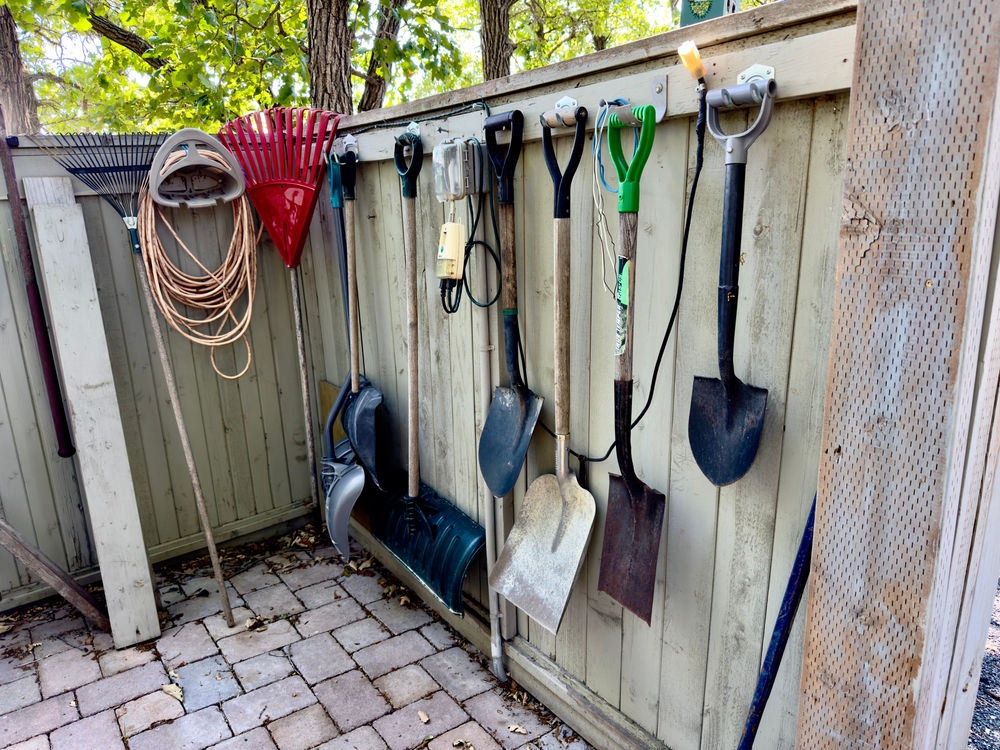
Many gardeners overspend on tools they rarely use. Fancy gadgets often promise convenience but deliver little practical value. A small set of reliable, multi-purpose tools usually handles most gardening tasks. Excess tools create clutter while draining money that could support soil or plants instead. Smart tool choices simplify gardening while cutting costs.
Borrowing or sharing tools also reduces unnecessary purchases. High-quality basics like a trowel, pruners, and gloves outperform specialty tools in most situations. Maintenance of existing tools extends their lifespan and prevents replacement costs. Thoughtful buying decisions keep the garden efficient and budget-friendly. Less truly becomes more when tools serve real needs.
8. Poor Planning and Skipping Crop Rotation
Poor garden planning leads to inefficient space use and repeated crop failures. Without crop rotation, soil nutrients deplete faster and pests become more persistent. Random planting increases maintenance costs and reduces overall yield. A thoughtful layout improves productivity while lowering long-term expenses. Planning turns gardening into a structured and rewarding system.
Rotating crops each season keeps soil healthier and more balanced. Strategic spacing improves airflow, reducing disease risk and plant loss. Companion planting can further boost growth without added costs. Organized beds make watering, feeding, and harvesting more efficient. A well-planned garden consistently saves money and produces stronger results.
A Smarter Garden That Protects Every Dollar
Smart gardening habits consistently reduce hidden expenses and improve long-term success. Small adjustments like proper watering, soil testing, and thoughtful planning create noticeable financial benefits over time. Avoiding common mistakes strengthens plant health and reduces the need for constant replacements. Every choice in the garden affects both productivity and cost efficiency. A mindful approach turns backyard gardening into a system that rewards effort instead of draining resources.
What gardening mistake has caused the most surprise expenses in your own backyard? Please, share your advice and stories in our comments.
You May Also Like…
The $5 Backyard Pantry: 7 Crops That Keep Producing All Season Long
Stop Buying Mulch: 3 Free Alternatives Already in Your Backyard
How to Revive Plants After Accidental Overwatering
Are You Overwatering Plants Before They Even Go Outside?
The Hidden Dangers of Overwatering in Cooler Months

Brandon Marcus is a staff writer for FrugalGardening.com at District Media, Inc., where he delivers practical gardening advice with a relatable, no-nonsense style. An avid amateur gardener, he holds a BA degree and with over ten years of professional writing experience, he is also an award-winning published author whose first book, Questions For Deep Thinkers, was released by Adams Media. His work has appeared in major publications including Fandom.com, CHUD.com, TheColdWire.com, and Fansided.com.
Leave a Reply