Spring feels like a fresh start—until you step into your yard and realize winter left behind a soggy, compacted, slightly chaotic mess. The thaw doesn’t just wake up your plants; it also exposes hidden problems that can quietly sabotage your garden’s growth.
You don’t need to spend a dime to fix most of them. In fact, a few simple, free actions can dramatically improve soil health, boost plant survival, and set you up for a more productive growing season. If you’ve been waiting for a sign to get outside and do something useful, this is it.
1. Loosen Compacted Soil Before It Suffocates Your Plants
After months of snow, rain, and foot traffic, your soil is likely compacted and struggling to breathe. Compacted soil blocks oxygen, water, and nutrients from reaching plant roots, which can stunt growth before the season even begins. Instead of grabbing expensive tools, use a basic garden fork or even a sturdy stick to gently loosen the top few inches of soil. Focus on high-traffic areas and garden beds where water tends to pool, as these spots suffer the most damage. This quick fix improves drainage and creates the kind of fluffy, nutrient-friendly environment your plants need to thrive.
2. Redirect Standing Water to Prevent Root Rot
Spring thaw often reveals low spots where water collects and just… sits there like an unwelcome guest. That standing water can quickly lead to root rot, mold, and a whole host of plant diseases that are tough to reverse. Walk your garden after a rainstorm and take note of puddles that linger longer than a day. You can create shallow trenches or channels using a shovel to guide water away from vulnerable plants and toward natural drainage areas. It’s a simple, zero-cost solution that protects your garden from one of the most common early-season killers.
3. Rake Smarter, Not Harder, to Remove Winter Debris
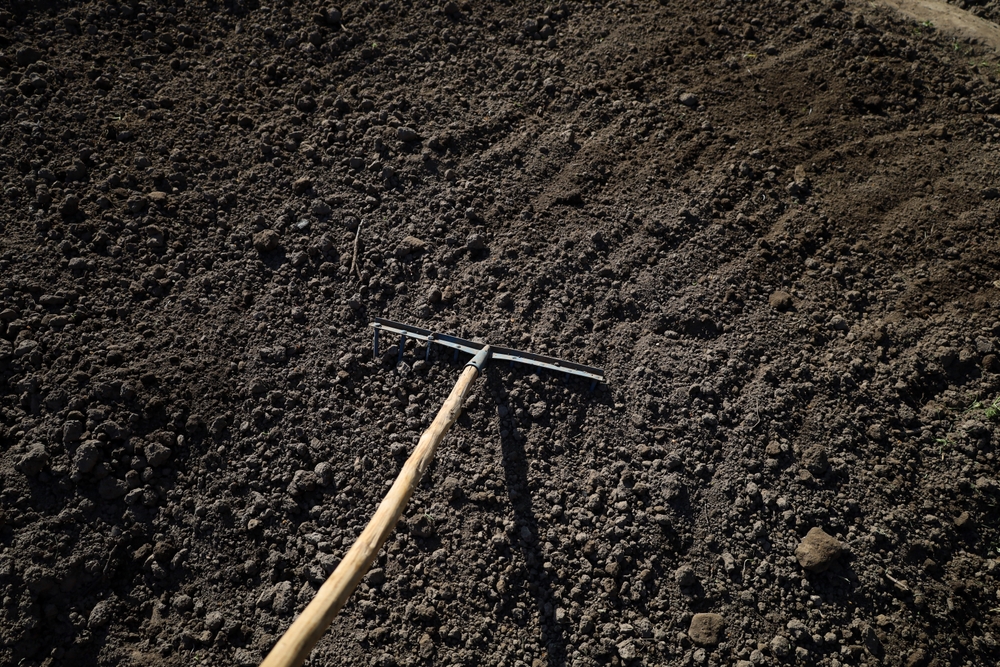
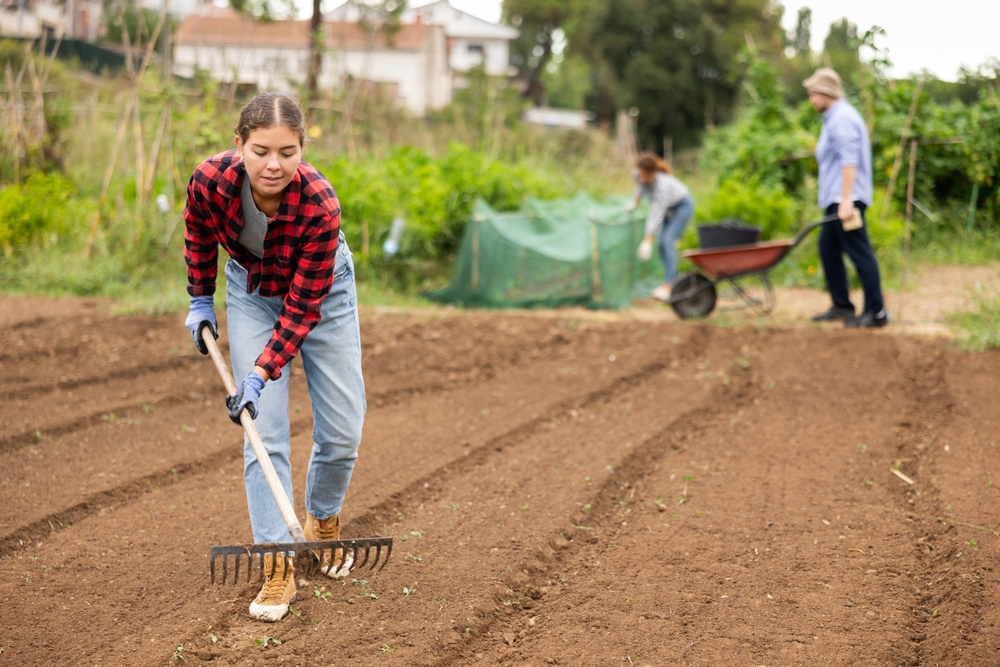
It’s tempting to go full cleanup mode and strip your yard down to bare soil, but that can actually do more harm than good. Instead, focus on removing heavy debris like matted leaves, broken branches, and dead plant material that block sunlight and trap moisture. Leave behind lighter organic matter, which can break down naturally and feed your soil over time. Use a gentle raking technique to avoid disturbing emerging plants or beneficial insects that are just waking up. This balanced approach keeps your garden tidy while still supporting a healthy ecosystem.
Small Fixes With A Big Garden Payoff
These free fixes might seem simple, but they pack a serious punch when it comes to improving your garden’s health. By loosening soil, redirecting water, and cleaning up debris strategically, you’re tackling the most common spring thaw problems head-on. Think of it as setting the stage—everything you plant afterward will have a much better chance of thriving.
Even better, these actions require more awareness than effort, making them perfect for beginners and seasoned gardeners alike. A little attention now can save you weeks of frustration later in the season.
Ready to Get Your Hands Dirty?
Spring doesn’t wait, and neither should you—your garden is already reacting to the changing conditions. Taking action now means stronger plants, fewer problems, and a more enjoyable growing season overall. Plus, there’s something deeply satisfying about knowing you improved your garden without spending a cent.
So grab your gloves, step outside, and start with just one of these fixes today. Which of these free garden fixes are you planning to try first? We want to hear your thoughts in the comments section below.
You May Also Like…
Why These 3 Invasive Plants Could Hurt Your Home Appraisal This Spring
Why Early Spring Weeds Are Spreading Faster Than Most Gardeners Expect
Vets Say This Popular Spring Bulb Is Causing Serious Health Issues in Dogs
Why Spring Transplants Sometimes Fail
Why Some Compost Smells in Spring

Brandon Marcus is a staff writer for FrugalGardening.com at District Media, Inc., where he delivers practical gardening advice with a relatable, no-nonsense style. An avid amateur gardener, he holds a BA degree and with over ten years of professional writing experience, he is also an award-winning published author whose first book, Questions For Deep Thinkers, was released by Adams Media. His work has appeared in major publications including Fandom.com, CHUD.com, TheColdWire.com, and Fansided.com.
Leave a Reply