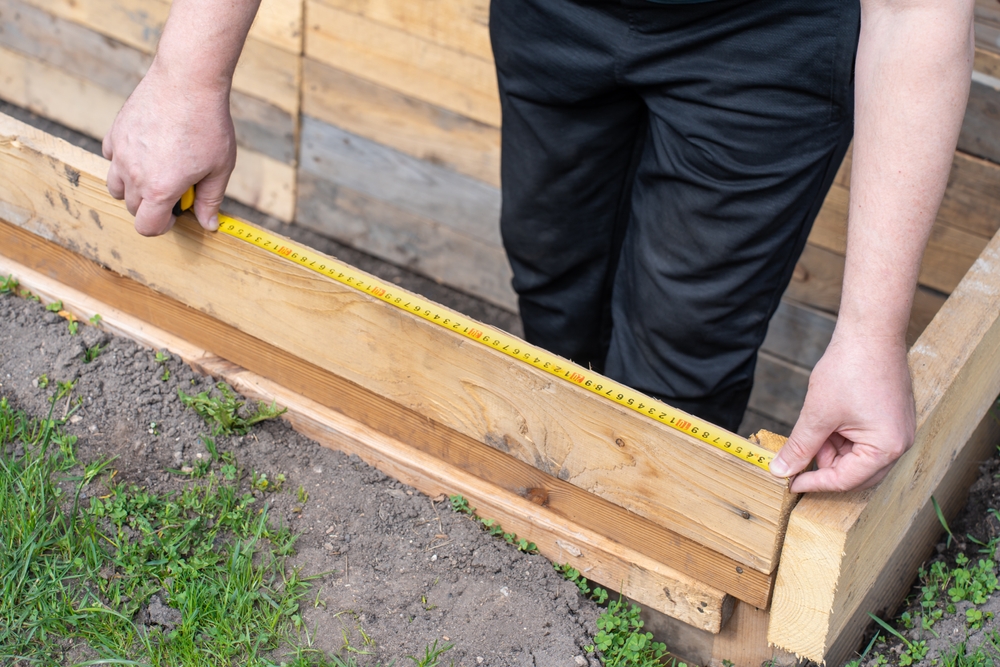
Raised garden beds look great in catalogs, but the price tag can quickly take the fun out of growing your own food. Between lumber costs, hardware, and soil, a single bed can easily run over $100—and that’s before you’ve planted a single tomato. The truth is, there are smarter, cheaper ways to build a garden that last just as long (or longer) without draining your wallet.
Many experienced gardeners quietly skip traditional raised beds altogether in favor of creative, durable alternatives. If you’re ready to save money and still grow a thriving garden, these ideas might completely change how you think about garden design.
1. Cinder Block Beds: Durable, Modular, and Surprisingly Stylish
Cinder blocks are one of the most cost-effective raised bed alternatives you can find, often priced at just a couple of dollars each. They’re incredibly durable, resisting rot, pests, and weather damage far better than wood over time. You can stack and arrange them in countless configurations, making them perfect for custom layouts or oddly shaped spaces. As a bonus, the holes in the blocks can double as mini planters for herbs or flowers, maximizing your growing area. While they’re heavier to move initially, once in place, they’ll likely outlast any wooden raised bed you could buy.
2. Hugelkultur Mounds: The No-Cost, Self-Fertilizing Garden
Hugelkultur might sound fancy, but it’s essentially a pile of logs, branches, and organic debris topped with soil. This method uses materials you can often find for free, especially if you have access to yard waste or fallen wood. As the wood breaks down over time, it enriches the soil with nutrients and retains moisture, reducing how often you need to water. Many gardeners report better yields after the first year because of the natural composting effect happening underground. It’s not the neatest-looking option at first, but if you’re focused on long-term savings and sustainability, this approach is hard to beat.
3. Galvanized Stock Tanks: Long-Lasting with Minimal Maintenance
Galvanized stock tanks, originally designed for livestock, have become a favorite among gardeners who want something sturdy and low-maintenance. They don’t rot, warp, or attract termites, which makes them a long-term investment compared to traditional raised beds. Drainage holes are easy to drill, and the metal reflects heat, which can actually extend your growing season in cooler climates. While the upfront cost may be slightly higher than wood, they often last decades with little to no upkeep. If you’re tired of rebuilding beds every few years, this option quickly pays for itself.
4. Reclaimed Materials: Free, Creative, and Eco-Friendly
Using reclaimed materials is one of the smartest ways to build a garden on a budget while keeping usable items out of landfills. Old bricks, pallets, stones, or even broken concrete (sometimes called “urbanite”) can be repurposed into sturdy, attractive garden beds. This approach often costs little to nothing if you source materials locally or through community groups. It also gives your garden a unique, personalized look that store-bought raised beds simply can’t match. Just be mindful to avoid treated wood or materials that could leach harmful chemicals into your soil.

Why These Alternatives Beat Traditional Raised Beds
Traditional wooden raised beds may look tidy, but they come with hidden downsides that many beginners overlook. Wood, especially untreated varieties, can start breaking down in as little as three to five years depending on your climate. That means ongoing replacement costs, which add up quickly if you have multiple beds.
In contrast, alternatives like cinder blocks, metal tanks, and natural mounds are built to last much longer with less maintenance. When you factor in durability, sustainability, and upfront savings, it becomes clear that raised bed alternatives offer far more value for your money.
The Real Secret to a Thriving Budget Garden
At the end of the day, your garden’s success has far more to do with soil quality and care than the structure holding it together. Spending less on expensive frames means you can invest more in compost, mulch, and high-quality seeds. Many seasoned gardeners will tell you they wish they had skipped costly raised beds and focused on building healthy soil from the start. Choosing raised bed alternatives isn’t just about saving money—it’s about gardening smarter and more sustainably. Once you make the switch, you may never go back to traditional raised beds again.
Have you tried any of these raised bed alternatives, or do you have a favorite budget gardening hack? Share your experience in the comments.
You May Also Like…
Early Termite Warning Signs Around Garden Beds
The $5 Tool That’s Breaking and Ruining Raised Beds Across the South
5 Weeds That Look Harmless but Can Ruin an Entire Garden Bed
Gardeners Warned: This Common Winter Cleanup Habit Is Spreading Fungal Disease in Raised Beds

Brandon Marcus is a staff writer for FrugalGardening.com at District Media, Inc., where he delivers practical gardening advice with a relatable, no-nonsense style. An avid amateur gardener, he holds a BA degree and with over ten years of professional writing experience, he is also an award-winning published author whose first book, Questions For Deep Thinkers, was released by Adams Media. His work has appeared in major publications including Fandom.com, CHUD.com, TheColdWire.com, and Fansided.com.
Leave a Reply