Mulch gets treated like a must-buy item, almost like soil’s expensive sidekick that shows up in bags and disappears into flower beds. Garden centers stack it high, trucks haul it in bulk, and wallets quietly take the hit season after season. But that whole routine skips one simple truth: the yard already produces everything needed to protect soil, lock in moisture, and keep plants thriving. Nature doesn’t rely on plastic bags and price tags, and a backyard doesn’t need them either.
A smarter, cheaper, and far more satisfying system sits right outside the door, waiting to get used instead of tossed. Leaves fall, grass grows, branches break, and most of it ends up as waste when it could become a powerful, natural mulch. These materials don’t just fill space—they improve soil structure, feed beneficial organisms, and help plants handle heat and drought with less stress.
1. Fallen Leaves: The Gold Mine That Gets Thrown Away
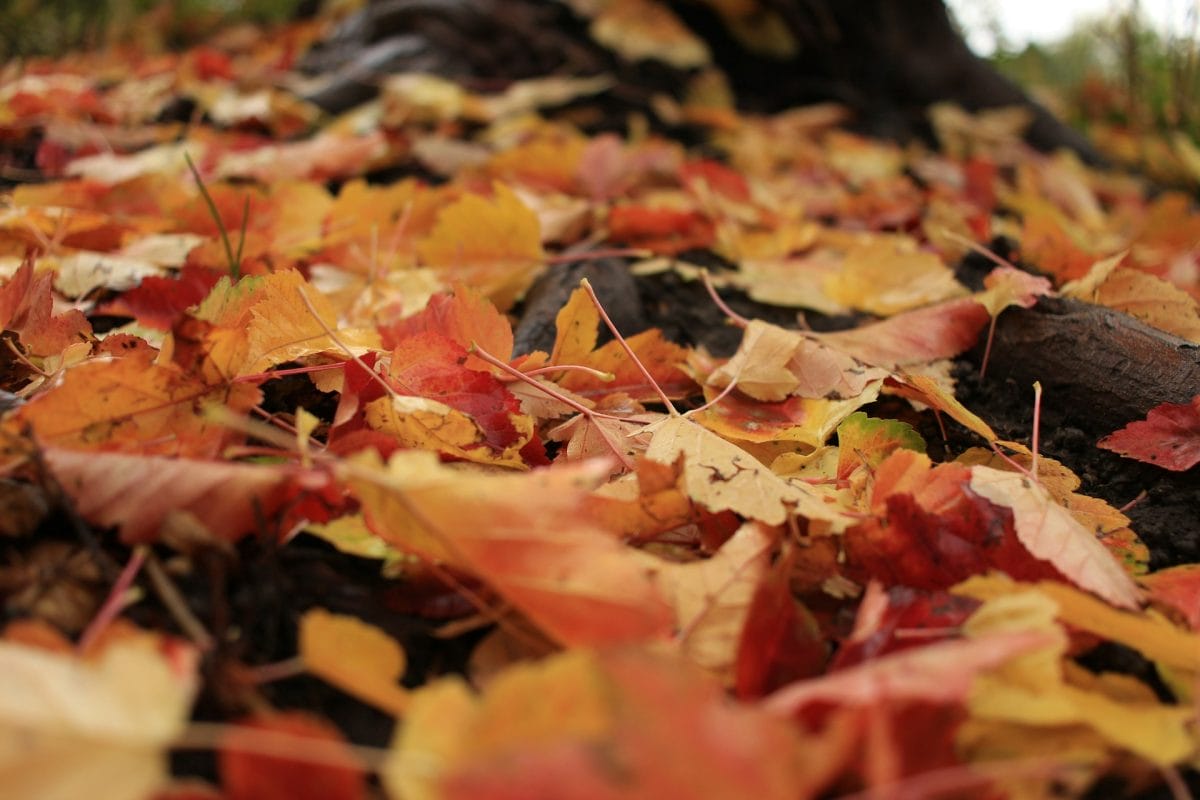
Leaves pile up every year, and too many yards treat them like a problem instead of a resource. Those crisp, colorful layers don’t just look good for a few weeks—they break down into rich organic matter that feeds the soil from the top down. Instead of bagging them up and sending them away, spreading them across garden beds creates a natural mulch that locks in moisture and reduces weed growth. Leaves form a protective blanket that shields soil from temperature swings, which helps plant roots stay stable even during extreme weather.
Shredding leaves makes them even more effective, and a quick pass with a mower handles that job without extra tools. Smaller pieces settle better, resist blowing away, and decompose faster, which means nutrients return to the soil more quickly. That process improves soil texture over time, making it easier for water and air to move where plants need them most. Thick layers work well, but keeping the mulch a few inches away from plant stems prevents rot and keeps everything healthy.
Leaf mulch also supports beneficial insects and microorganisms that play a huge role in plant health. Earthworms move in, break things down, and leave behind nutrient-rich castings that plants love. Microbes thrive in that environment, turning simple organic material into a steady food supply for roots. That quiet activity builds stronger, more resilient gardens without extra fertilizers or additives. Every leaf that stays in the yard instead of heading to the curb adds value in ways store-bought mulch can’t match.
2. Grass Clippings: Fast, Free, and Surprisingly Powerful
Grass clippings show up constantly during the growing season, and they bring serious mulch potential with almost zero effort. Fresh clippings contain nitrogen, which plants need for strong, healthy growth, and spreading them across garden beds feeds the soil while protecting it. A thin layer works best because thick piles can mat together and block airflow. Keeping things light and even allows clippings to break down quickly without creating odor or mold issues.
That steady breakdown releases nutrients directly into the soil, creating a natural feeding system that supports plants over time. Instead of relying on synthetic fertilizers, grass clippings deliver a gentle, ongoing boost that aligns with how plants grow. They also help the soil hold moisture, which reduces the need for frequent watering during hot weather. That benefit alone can make a noticeable difference in both plant health and water bills.
Timing matters, and using clippings from untreated lawns keeps everything safe for plants and soil life. Lawns treated with herbicides or pesticides can pass those chemicals along, so sticking with clean, chemical-free clippings protects the garden’s ecosystem. Rotating clippings between beds prevents buildup and keeps everything balanced. With just a little attention, grass clippings turn into one of the easiest and most effective mulch alternatives available.
3. Small Branches and Twigs: Turn Yard Debris Into a Protective Layer
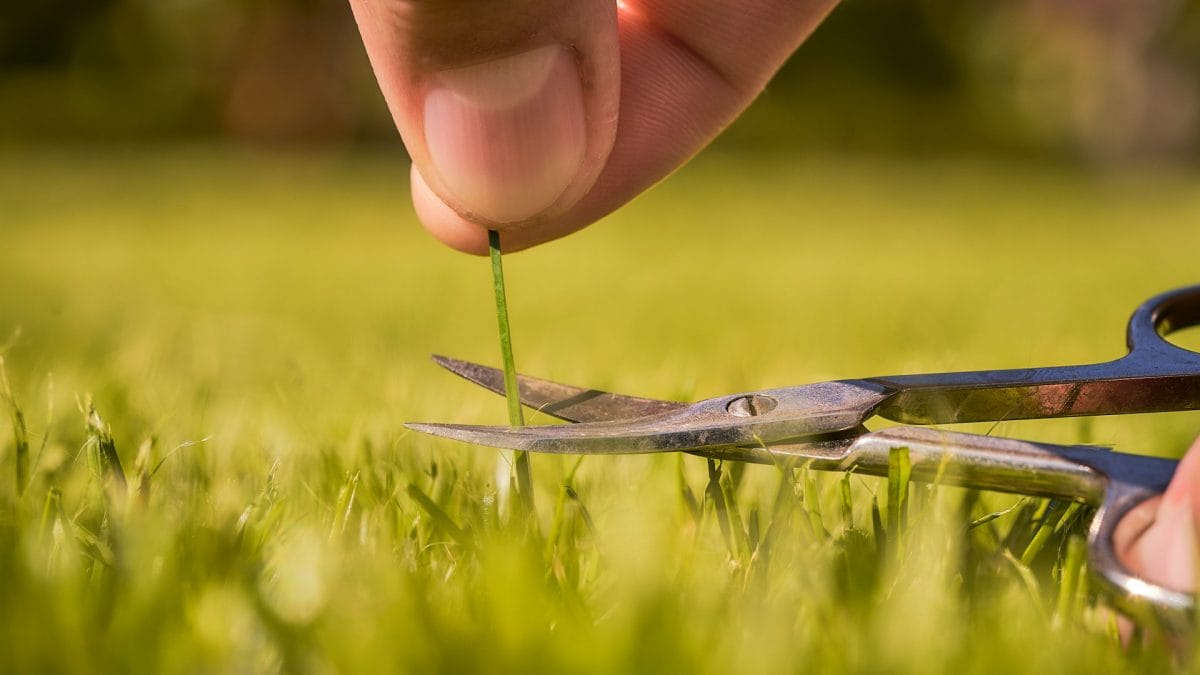
Storms, pruning sessions, and seasonal cleanup all leave behind small branches and twigs that often get tossed aside. That pile of woody debris holds serious potential, especially when it gets chipped or broken down into smaller pieces. These materials create a durable mulch that lasts longer than softer options like leaves or grass clippings. They break down slowly, which means they protect soil for extended periods while gradually adding organic matter.
Using twigs as mulch works particularly well around trees, shrubs, and perennial plants that benefit from longer-lasting coverage. The structure allows water to pass through while still reducing evaporation, which helps maintain consistent soil moisture. That balance supports healthy root systems and reduces stress during dry spells. Unlike finer materials, twig mulch resists compaction, so it keeps air moving through the soil more effectively.
Breaking down branches doesn’t require fancy equipment, though a chipper speeds things up for larger amounts. Even without one, cutting or snapping twigs into smaller pieces creates a workable mulch that does the job well. Layering them over soil builds a natural barrier against weeds while adding a rustic, natural look to garden spaces. That approach turns what looks like waste into something practical, long-lasting, and surprisingly valuable.
The Yard Already Has Everything It Needs
Mulch doesn’t need to come from a store, and it definitely doesn’t need to drain a budget. Leaves, grass clippings, and small branches each bring unique benefits that improve soil health, support plant growth, and reduce maintenance over time. Using what’s already available creates a system that feels more connected, more efficient, and far less wasteful. That shift doesn’t just save money—it builds a stronger, healthier yard from the ground up.
What’s sitting in the yard right now that could replace the next bag of mulch? Share some thoughts, ideas, or creative yard hacks in the comments and share what’s working.
You May Also Like…
Is Taking Clippings From Plants In A Store Illegal?
How Mulch Color Can Affect Your Garden More Than You Think
7 Budget-Friendly Mulch Alternatives That Last Longer Than You Expect
A Backyard Material That Can Work as Well as Mulch
Experts Say a New Fungus Is Spreading Through Mulch in Georgia

Brandon Marcus is a staff writer for FrugalGardening.com at District Media, Inc., where he delivers practical gardening advice with a relatable, no-nonsense style. An avid amateur gardener, he holds a BA degree and with over ten years of professional writing experience, he is also an award-winning published author whose first book, Questions For Deep Thinkers, was released by Adams Media. His work has appeared in major publications including Fandom.com, CHUD.com, TheColdWire.com, and Fansided.com.
Leave a Reply