Weeds don’t politely wait for an invitation. They crash into garden beds, creep through sidewalk cracks, and choke out carefully planted flowers like uninvited guests who refuse to leave. Store-bought weed barriers promise relief, but they often come with a price tag, questionable durability, and disappointing results.
Meanwhile, something as simple as cardboard sits in recycling bins everywhere, quietly offering a smarter solution. This overlooked material delivers a powerful, zero-cost way to block weeds while improving soil health at the same time.
Why Cardboard Works Better Than Most Weed Barriers
Cardboard blocks sunlight completely, which stops weeds from photosynthesizing and growing. Unlike plastic weed barriers, it breaks down naturally and feeds the soil instead of suffocating it. Gardeners often notice fewer weeds within weeks because cardboard cuts off growth at the root level.
Thick layers create a strong shield that prevents even stubborn weeds from pushing through. This simple approach delivers long-term results without introducing chemicals or synthetic materials into the garden.
How to Use Cardboard for Maximum Weed Control
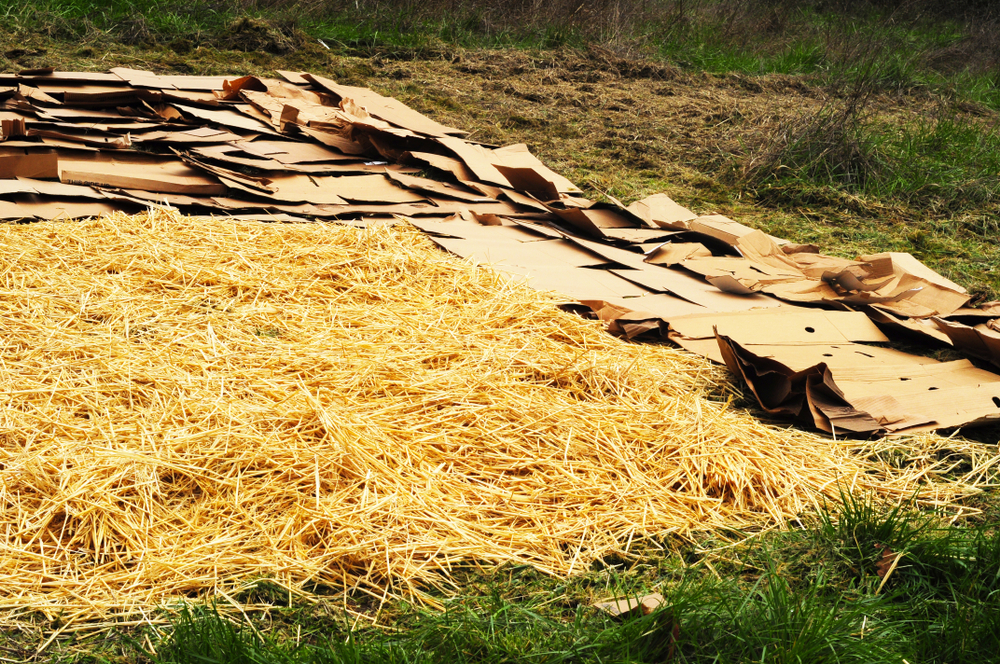
Start by removing large weeds and flattening the area to create an even surface. Lay down cardboard sheets, making sure they overlap so no gaps allow weeds to sneak through. Soak the cardboard with water to help it settle and begin breaking down into the soil. Add mulch, soil, or compost on top to hold everything in place and improve the garden’s appearance. This layering technique creates a durable weed barrier that can last an entire growing season or longer.
The Surprising Soil Benefits You Didn’t Expect
Cardboard doesn’t just block weeds—it actively improves soil quality as it decomposes. Earthworms and beneficial microbes feed on the material, increasing soil fertility over time. This process boosts moisture retention, which helps plants thrive during dry periods.
Garden beds treated with cardboard often develop richer, looser soil that supports healthier root systems. Instead of fighting nature, this method works with it to create a more balanced growing environment.
Where Cardboard Works Best Around the Home
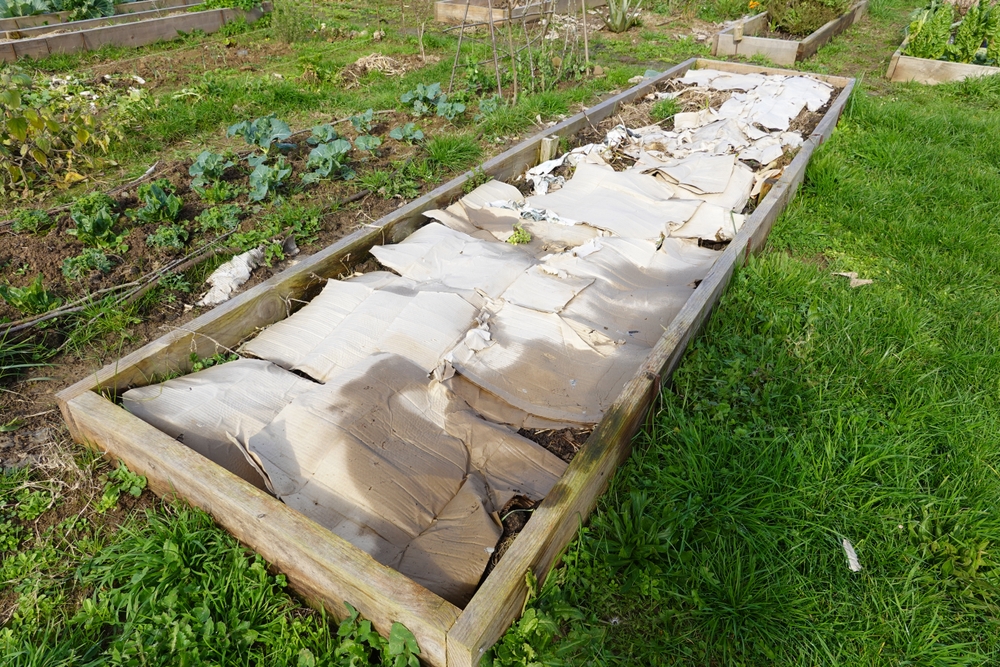
Garden beds benefit the most from cardboard because it integrates easily with mulch and compost. Pathways and walkways also stay weed-free longer when lined with cardboard beneath gravel or wood chips. Around trees and shrubs, cardboard protects roots while reducing competition from invasive plants. Raised beds gain an extra layer of protection when lined with cardboard at the base. Even neglected corners of a yard can transform into manageable, low-maintenance spaces with this simple trick.
Common Mistakes That Can Ruin the Results
Thin or glossy cardboard often fails because it doesn’t block light effectively or may contain unwanted chemicals. Leaving gaps between sheets allows weeds to grow right through weak points. Skipping the mulch layer can cause cardboard to dry out and blow away in windy conditions. Applying cardboard over aggressive perennial weeds without removing them first may lead to regrowth. Paying attention to these details ensures the method delivers consistent, long-lasting weed control.
Why This $0 Solution Beats Store-Bought Options
Store-bought weed barriers often degrade quickly, especially under sun exposure and shifting soil. Cardboard, on the other hand, adapts naturally and enriches the ground as it breaks down. This approach eliminates the need for repeated purchases, saving money season after season. Many gardeners report better results with cardboard compared to expensive synthetic products. A free, accessible material ends up outperforming solutions designed specifically for the same purpose.
The Zero-Cost Gardening Hack Worth Trying Today
Cardboard weed barrier methods prove that effective solutions don’t require expensive tools or complicated techniques. This simple approach blocks weeds, improves soil, and reduces maintenance without adding chemicals to the environment. Anyone with access to basic cardboard can start transforming their outdoor space immediately. With proper layering and care, the results last longer than many commercial alternatives. Sometimes the smartest fix hides in plain sight, waiting to turn everyday waste into a powerful gardening tool.
Have you tried using a cardboard weed barrier in your garden, or do you have another zero-cost gardening trick that works even better? Any and all information and advice you have is greatly appreciated, so please share it in the comments below!
You May Also Like…
Stop Buying Raised Beds: 4 Cheap Building Alternatives That Last Longer
Termite Prevention Tips for Raised Beds
Why You Should Bury Your Cardboard Boxes Instead of Recycling Them
Why Cardboard Mulch Might Be the Secret Weapon Your Soil Needs
The Frost-Proof Secret: Protecting Your $2 Plants from a Random Cold Snap

Brandon Marcus is a staff writer for FrugalGardening.com at District Media, Inc., where he delivers practical gardening advice with a relatable, no-nonsense style. An avid amateur gardener, he holds a BA degree and with over ten years of professional writing experience, he is also an award-winning published author whose first book, Questions For Deep Thinkers, was released by Adams Media. His work has appeared in major publications including Fandom.com, CHUD.com, TheColdWire.com, and Fansided.com.
Leave a Reply