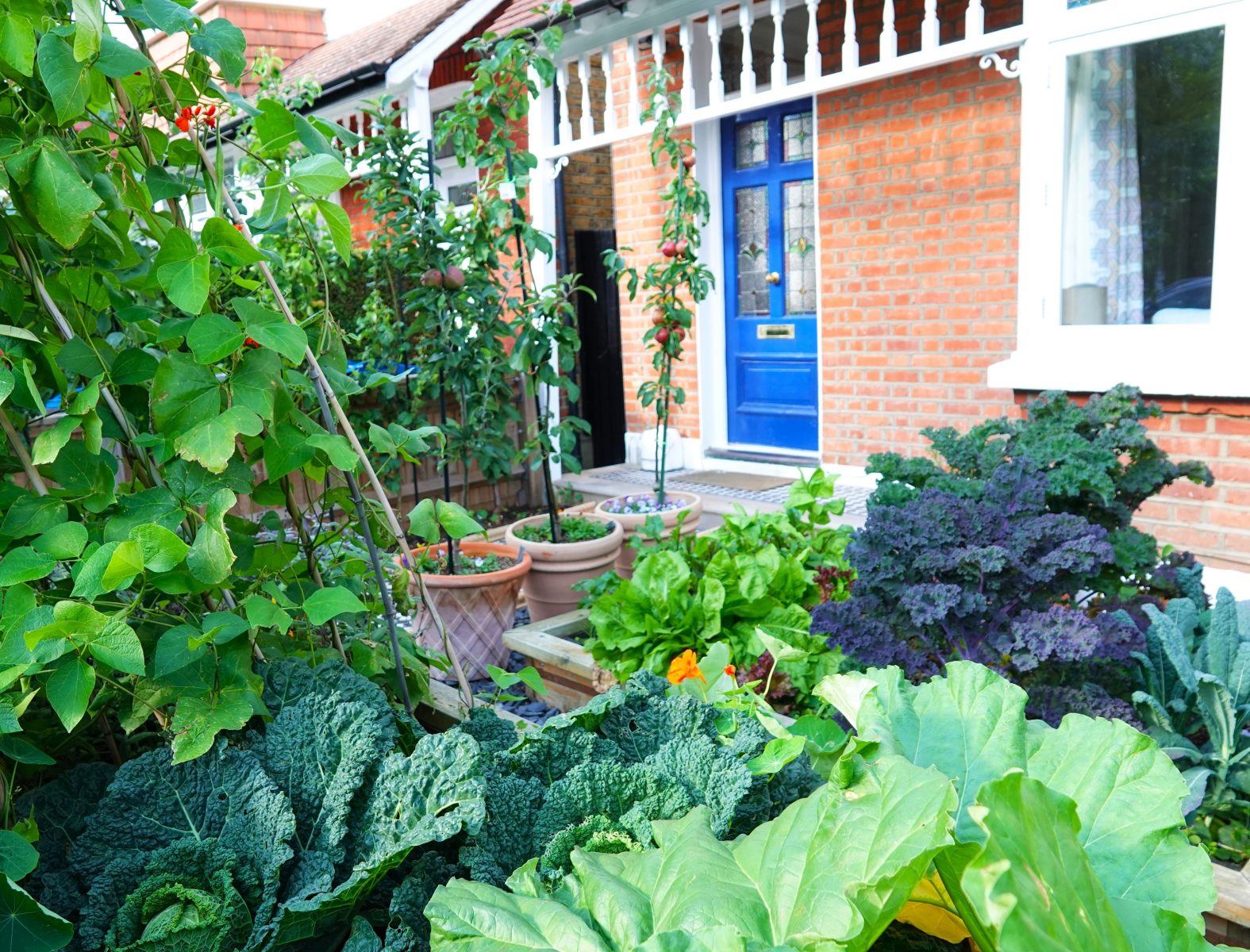
Imagine spending an entire weekend building raised garden beds, planting tomatoes, and turning your front lawn into a productive vegetable garden, only to receive a letter from your homeowners association demanding that you remove everything. The HOA claims vegetable gardens aren’t permitted in front yards and warns that fines could follow if you don’t comply.
But can an HOA actually tell you what you’re allowed to grow on your own property?
The answer depends on where you live, your community’s governing documents, and whether state laws protect residential vegetable gardening. Some states have passed legislation limiting government restrictions on growing food, although those protections don’t necessarily override private HOA rules.
For homeowners trying to reduce grocery expenses by growing their own produce, an HOA vegetable garden restriction can create an unexpected financial headache.
Before tearing out your tomato plants or paying a fine, here’s what you should understand about your gardening rights and how to challenge restrictions that may not be enforceable.
Your HOA May Have More Authority Than You Realize
Homeowners associations generally have the authority to enforce landscaping restrictions established through their community’s governing documents. These rules often appear in the declaration of covenants, conditions, and restrictions, commonly called CC&Rs, along with architectural guidelines and other properly adopted regulations. An HOA vegetable garden restriction might prohibit front-yard food production, limit raised beds, or require homeowners to obtain approval before changing their landscaping. According to the University of Florida’s Gardening Solutions program, HOA landscaping guidelines frequently address changes visible from streets and neighboring properties. However, an HOA’s authority isn’t unlimited, and restrictions must comply with applicable state laws and the association’s own governing documents.
Some States Have Passed Laws Protecting Vegetable Gardens
Several states have adopted laws intended to protect homeowners’ ability to grow food on residential property. For example, Florida Statute 604.71 prevents counties, municipalities, and other political subdivisions from specifically regulating residential vegetable gardens, although it doesn’t automatically prevent private HOAs from imposing restrictions. Illinois also enacted the Garden Act, effective in 2022, protecting the cultivation of vegetable gardens against certain local government restrictions. These protections are important because some homeowners mistakenly assume that a city ordinance and a private HOA covenant carry the same legal authority. Before challenging an HOA vegetable garden restriction, determine whether your state’s gardening protections actually apply to private homeowners associations or only to government regulations.
Florida’s Vegetable Garden Law Has an Important Catch
Florida’s vegetable garden protections are frequently cited by homeowners who want to replace traditional lawns with edible landscaping. Under Florida Statute 604.71, local governments generally cannot enforce ordinances specifically restricting vegetable gardens on residential properties. However, the statute addresses counties, municipalities, and other political subdivisions rather than private homeowners associations. As explained by the Florida Community Association Professionals, Florida HOAs may still restrict vegetable gardens through enforceable community governing documents. That distinction means a homeowner could legally grow vegetables under city rules while still facing a potentially valid HOA restriction on the same garden.
Your HOA’s Written Rules Matter More Than a Verbal Warning
Before removing plants, ask your HOA to identify the specific rule or covenant that supposedly prohibits your vegetable garden. A board member’s personal preference about landscaping doesn’t necessarily establish an enforceable restriction, especially when the governing documents say something different. For example, a rule requiring homeowners to maintain attractive landscaping may not automatically create a blanket prohibition against growing tomatoes or peppers. Review the declaration, architectural standards, amendment history, and any approval procedures to determine whether the HOA vegetable garden restriction was properly adopted and applies to your property. If the association cannot identify a valid rule supporting its demand, you may have grounds to request reconsideration or challenge the enforcement action.
Can Your HOA Fine You for Growing Vegetables?
Depending on state law and the association’s governing documents, an HOA may be able to impose fines for landscaping violations. However, many states establish procedural requirements governing how associations notify homeowners, conduct hearings, and assess penalties. A homeowner who receives a $100 fine for an unauthorized raised bed should request the applicable violation notice, fine schedule, and information about any available appeal process. Ignoring an HOA vegetable garden restriction without investigating the consequences could result in escalating expenses, collection efforts, or other enforcement actions where permitted by law. Before paying a disputed fine, consider consulting a qualified local attorney who understands homeowners association regulations and property rights.
There May Be Ways to Keep Your Garden Without Breaking the Rules
Even when an HOA has enforceable landscaping restrictions, homeowners may have options that allow them to continue growing vegetables. Some associations permit backyard gardens, decorative containers, edible landscaping, or raised beds that meet established architectural requirements. For example, replacing ornamental plants with attractive herbs, colorful peppers, or compact vegetables might satisfy certain landscaping standards while still producing food. The University of Florida’s Gardening Solutions program recommends reviewing association bylaws and contacting the HOA board before making significant garden changes. Submitting a written proposal that addresses appearance, maintenance, drainage, and visibility concerns may help you obtain approval without creating an expensive dispute.
What to Do If Your HOA Orders You to Remove Your Garden
Receiving a violation notice doesn’t necessarily mean you must immediately destroy an established vegetable garden. Start by documenting the notice, photographing your garden, and requesting the specific governing provision that allegedly prohibits your plants. Next, review your state’s applicable laws, determine whether the association followed its required procedures, and submit a written appeal before any stated deadline. If the HOA vegetable garden restriction appears inconsistent with state law or the community’s governing documents, an attorney familiar with HOA disputes can help assess your options. Avoid making assumptions about your legal rights or simply refusing to comply, because unresolved violations can become more expensive than the original gardening project.
Why Vegetable Garden Restrictions Can Cost Homeowners Money
For many households, growing vegetables isn’t simply a landscaping preference but a practical way to manage rising grocery expenses. A productive garden can provide seasonal tomatoes, lettuce, peppers, herbs, and other produce that homeowners might otherwise purchase at the supermarket. However, the potential savings depend on growing conditions, harvest size, water costs, soil amendments, and the amount invested in garden supplies. An HOA vegetable garden restriction could force a homeowner to relocate established plants, purchase additional containers, or abandon raised beds that required considerable time and money to build. Checking the rules before planting can help avoid those expenses while preserving the financial benefits of growing food at home.
Growing Your Own Food Shouldn’t Begin With a Legal Battle
An HOA vegetable garden restriction isn’t automatically illegal simply because you own the property or your state supports residential gardening. The enforceability of a restriction depends on state law, the association’s governing documents, and the circumstances surrounding the rule and its enforcement. Homeowners should review applicable protections, request written explanations, and explore reasonable alternatives before removing an established garden or paying disputed penalties. If your association’s rules seem unfair, you may also be able to propose amendments or work with neighbors to encourage more flexible landscaping policies. Understanding your rights before planting could protect your garden, your investment, and your ability to grow affordable food for your family.
Has your HOA ever tried to stop you from growing vegetables or changing your landscaping? Do you think homeowners should have the right to grow food in their front yards, even when neighborhood rules say otherwise? Share your thoughts in the comments.
What to Read Next
Can Your HOA Actually Tell You What Flowers You’re Allowed to Plant?
7 Things You Can Plant in Your Yard That Could Start a Fight With Your HOA
The Native Plant Garden Looks “Messy” to the HOA — Who Gets to Decide?
Leave a Reply