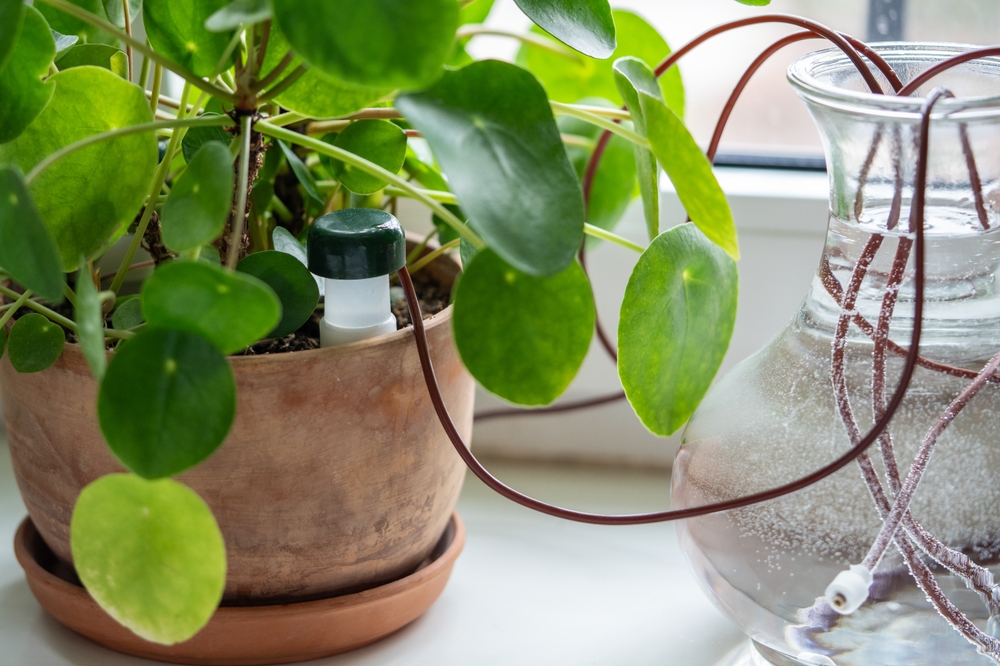
Garden centers love a buzzword, and “self-watering” pots sit right at the top of the marketing pile. These containers promise lush plants with minimal effort, yet many gardeners feel underwhelmed once the novelty fades. The price tag often climbs far higher than standard pots, even though the concept behind them stays surprisingly simple.
Many of these products rely more on clever branding than on groundbreaking technology. Smart gardeners can skip the markup and build something better with a few inexpensive materials.
The Big Promise Behind Self-Watering Pots
Self-watering pots advertise consistent moisture levels that keep plants thriving without daily attention. They feature a reservoir beneath the soil, which allows roots to draw up water as needed through capillary action. That sounds impressive, but the system depends heavily on proper setup and maintenance to function well. Many gardeners discover that soil type, plant choice, and climate can throw the whole process off balance quickly. Marketing makes it sound foolproof, yet real-life conditions demand more effort than expected.
These pots often attract beginners who want an easy solution to plant care, especially for indoor herbs or patio gardens. However, improper use leads to soggy roots or bone-dry soil, depending on how well the wicking system performs. Plants like succulents or cacti struggle in these conditions because they require fast drainage, not constant moisture. Even experienced gardeners notice that results vary widely from plant to plant. The promise sounds universal, but the reality rarely delivers consistent success.
Why They Often Fall Short of Expectations
Many self-watering pots fail because they oversimplify how plants interact with water and soil. Roots need both moisture and oxygen, and overly wet conditions suffocate them quickly. Cheap models often lack proper airflow, which leads to root rot and unhealthy growth. Some designs also rely on flimsy wicks that clog or degrade over time, reducing effectiveness. That turns a “set it and forget it” system into a frustrating guessing game.
Cost adds another layer of disappointment, especially when results do not match the investment. A single branded pot can cost three to five times more than a standard container of similar size. Gardeners often expect premium performance for that price, yet many units use basic plastic and simple engineering. When something goes wrong, replacement parts rarely come cheap or easy. That leaves many buyers wondering why they paid extra for something they could have built themselves.
The Hidden Cost: You Pay for Convenience, Not Innovation
Self-watering pots lean heavily on convenience as their main selling point. Manufacturers package a simple concept into an attractive product and charge a premium for ease of use. The actual mechanism—water stored below soil with a wick or barrier—has existed for decades in gardening. That means buyers pay more for design and branding than for any real advancement. A basic understanding of plant care often outperforms the built-in system.
Marketing also glosses over the need for regular monitoring, which undermines the whole “low maintenance” appeal. Water reservoirs still require refilling, and soil still needs checking to avoid overwatering. Fertilizer buildup can become an issue since excess minerals remain trapped in the closed system. Over time, this can harm plant health instead of helping it. The convenience feels appealing at first, but hidden maintenance tasks quickly pile up.
How to DIY a Better Self-Watering System
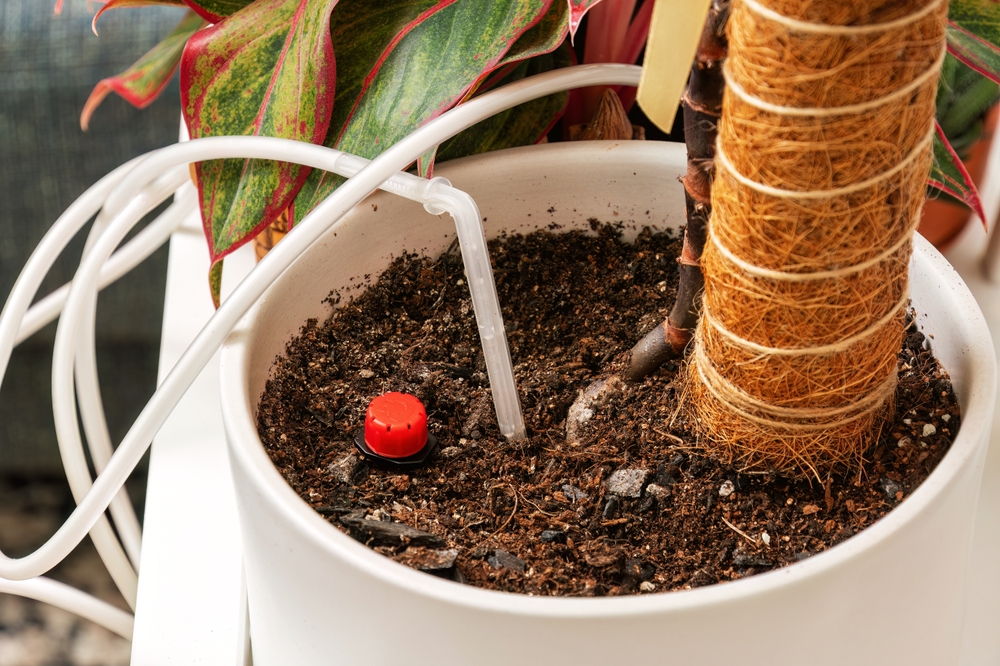
A homemade self-watering pot delivers the same function at a fraction of the cost, often with better results. Start with a standard container and add a smaller reservoir using a plastic bottle or separate tray beneath the soil. Create a simple wick using cotton rope or fabric strips to draw water upward into the soil. This setup allows full control over materials, size, and water flow. Adjustments become easy, which helps match the system to specific plants.
DIY systems also encourage smarter gardening habits by keeping the process visible and flexible. Gardeners can monitor moisture levels more easily and tweak the setup when needed. Using quality soil with good drainage improves performance far beyond most store-bought designs. The ability to customize depth and spacing makes it easier to accommodate different plant types. This approach saves money while delivering a more reliable growing environment.
Smart Gardening Beats Fancy Gadgets
Great gardening results rarely come from expensive tools alone. Knowledge of plant needs, soil quality, and watering habits plays a much bigger role in long-term success. Self-watering pots may offer convenience, but they do not replace hands-on care and observation. A simple DIY system combined with attentive maintenance often produces healthier plants and stronger growth. That approach builds confidence and skill without draining the wallet.
Gardeners who focus on fundamentals consistently outperform those who rely on gimmicks. Paying attention to drainage, light, and plant type leads to better outcomes than any pre-packaged solution. DIY setups also provide a sense of control that store-bought systems cannot match. This hands-on approach turns gardening into a rewarding process instead of a passive one. Smart choices beat flashy promises every single time.
Skip the Hype and Grow Smarter
Self-watering pots look appealing on the shelf, but they rarely justify their high price or bold claims. A DIY alternative offers the same benefits with more flexibility and far less cost. Gardeners who invest time in learning basic techniques gain better results than those chasing convenience. Building a simple system encourages better habits and a deeper connection to plant care. The smartest move involves skipping the hype and growing with intention.
What do you think—are self-watering pots worth it, or do DIY solutions win every time? Share your thoughts in the comments.
You May Also Like…
The Rain Barrel Revolution: Stop Paying for Garden Water This Summer
How to Revive Plants After Accidental Overwatering
The Laundry Basket Trick: Why Expert Gardeners are Buying Plastic Bins, Not Pots
March Watering Mistakes That Can Raise Your Bills
The Watering Habit That’s Quietly Killing Your Plants (Experts Are Begging Gardeners to Stop)

Brandon Marcus is a staff writer for FrugalGardening.com at District Media, Inc., where he delivers practical gardening advice with a relatable, no-nonsense style. An avid amateur gardener, he holds a BA degree and with over ten years of professional writing experience, he is also an award-winning published author whose first book, Questions For Deep Thinkers, was released by Adams Media. His work has appeared in major publications including Fandom.com, CHUD.com, TheColdWire.com, and Fansided.com.
Leave a Reply