Bright bags, bold claims, and sky-high prices fill the garden center aisles, promising lush growth and flawless plants. Many of those promises sound convincing, but plenty of them exist to drain wallets rather than nourish roots. Gardeners often assume a higher price equals better performance, yet potting mix rarely follows that rule.
A deeper look at ingredients and marketing language reveals how brands dress up ordinary materials as premium solutions. Smart shoppers can save serious money and still grow thriving plants by spotting these common potting mix scams.
1. “Premium” Potting Mix That’s Mostly Cheap Fillers
Colorful packaging often shouts “premium potting mix,” but the ingredient list tells a different story. Many of these mixes rely heavily on inexpensive fillers like peat moss or composted forest products that bulk up volume without delivering balanced nutrition. Some blends include large chunks of bark or wood that break down slowly and rob plants of nitrogen during decomposition. Gardeners pay extra for branding while receiving a mix that struggles to retain moisture or provide consistent structure.
A quality potting mix should balance aeration, drainage, and nutrient retention, not just fill a container. Brands that highlight vague terms like “enriched” or “professional grade” rarely disclose actual nutrient ratios or material percentages. Checking for components like perlite, vermiculite, or coco coir offers a better clue about performance than flashy labels. Mixing a custom blend at home often costs less and produces better results than overpriced “premium” bags. Careful label reading turns a confusing shelf into a money-saving opportunity.
2. “Moisture Control” Mixes That Don’t Deliver
“Moisture control” sounds like a dream for busy plant owners, but many of these potting mix products rely on gimmicks rather than reliable science. Some include water-retaining crystals that swell dramatically, yet they break down quickly and lose effectiveness after a few watering cycles. Others hold too much moisture, creating soggy conditions that lead to root rot instead of healthy growth. Plants need consistent airflow around roots, not a swampy environment that suffocates them.
Manufacturers often price these mixes significantly higher, banking on convenience as a selling point. In reality, proper watering habits and well-balanced soil structure achieve better moisture control than additives ever could. A standard potting mix combined with perlite or coco coir provides steady hydration without the risks. Gardeners who rely on these specialty mixes often notice declining plant health over time. Skipping the hype and focusing on soil fundamentals protects both plants and budgets.
3. “Organic” Labels That Inflate the Price
The word “organic” carries strong appeal, especially for gardeners who prioritize sustainability and chemical-free growing. However, many “organic” potting mix options cost far more without offering meaningful differences in performance. Some brands use the label loosely, including minimal organic material while still charging premium prices. Others meet basic certification standards but rely on the same core ingredients found in cheaper, non-labeled mixes.
Paying extra only makes sense when the product clearly improves plant health or aligns with specific gardening goals. Many affordable potting mix blends already avoid harmful chemicals and perform just as well in containers. Reading certification details and ingredient lists helps separate genuine value from marketing spin. Compost, worm castings, and natural amendments can upgrade any basic mix at a fraction of the cost. Smart gardeners build their own organic blends instead of overpaying for a label.
Grow Smarter, Spend Less, and Skip the Hype
Expensive doesn’t always mean effective, especially when it comes to potting mix. Marketing teams design packaging to trigger emotional buying decisions, not to educate shoppers about soil science. Gardeners who learn to evaluate ingredients, structure, and function gain a huge advantage at the store. A reliable potting mix supports root health, drains well, and holds nutrients without unnecessary extras.
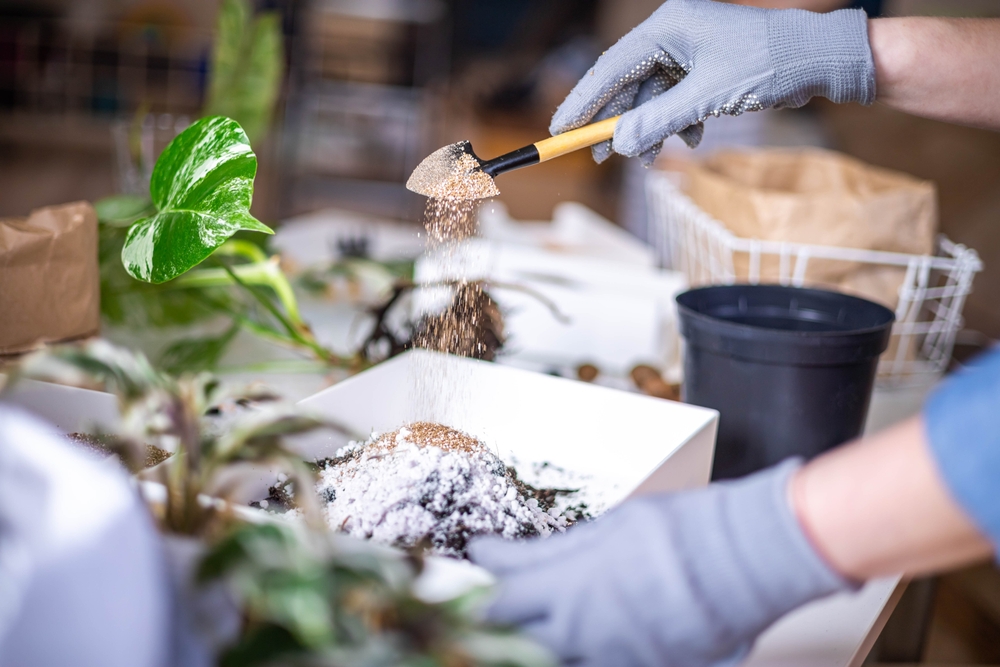
Simple adjustments like adding perlite, compost, or sand can transform an average mix into a high-performing one. Avoiding overpriced gimmicks frees up budget for quality plants, tools, or fertilizers that actually make a difference. Paying attention to plant response also helps refine future soil choices and avoid repeat mistakes. A thoughtful approach to potting mix turns gardening into a more efficient and rewarding experience.
What surprising gardening product have you bought that didn’t live up to the hype? Let’s hear your thoughts in the comments below.
You May Also Like…
Why Your Hairbrush Holds the Secret to Better Soil Nitrogen
The Facebook Marketplace Trick for Free High-Quality Topsoil
Stop Buying Potting Soil: The 3-Ingredient “Dirt” Recipe You Can Make for Pennies
From Paper Towel to Potting Soil: The Ideal Time to Transplant Your Seedlings
The Winter Sowing Method: Why You Should Start Your Garden in the Snow

Brandon Marcus is a staff writer for FrugalGardening.com at District Media, Inc., where he delivers practical gardening advice with a relatable, no-nonsense style. An avid amateur gardener, he holds a BA degree and with over ten years of professional writing experience, he is also an award-winning published author whose first book, Questions For Deep Thinkers, was released by Adams Media. His work has appeared in major publications including Fandom.com, CHUD.com, TheColdWire.com, and Fansided.com.
Leave a Reply