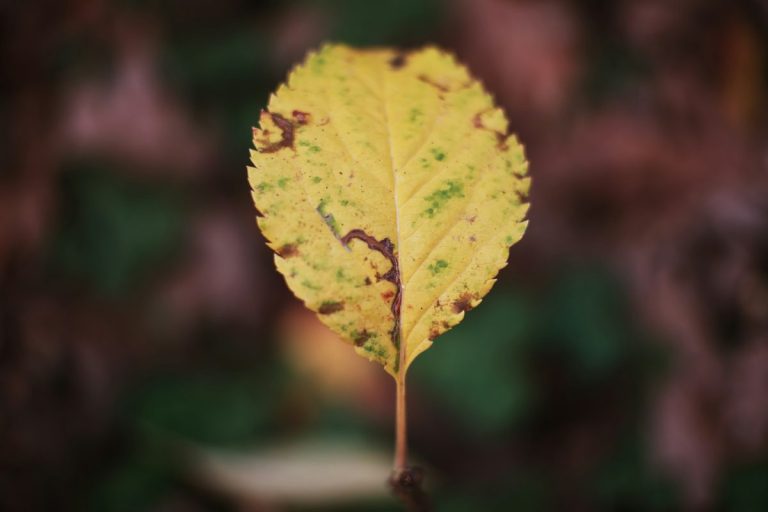
A thriving plant should look lush, vibrant, and unapologetically green—so when leaves start turning yellow, it feels like a betrayal. Everything seems correct: watering stays consistent, sunlight hits just right, and the plant even sits in premium soil. Yet those yellow leaves creep in anyway, quietly suggesting something has gone sideways. This frustrating mystery trips…
plant health
Garden Pest Alert: Why Aphids Multiply Rapidly and How to Stop Them Early
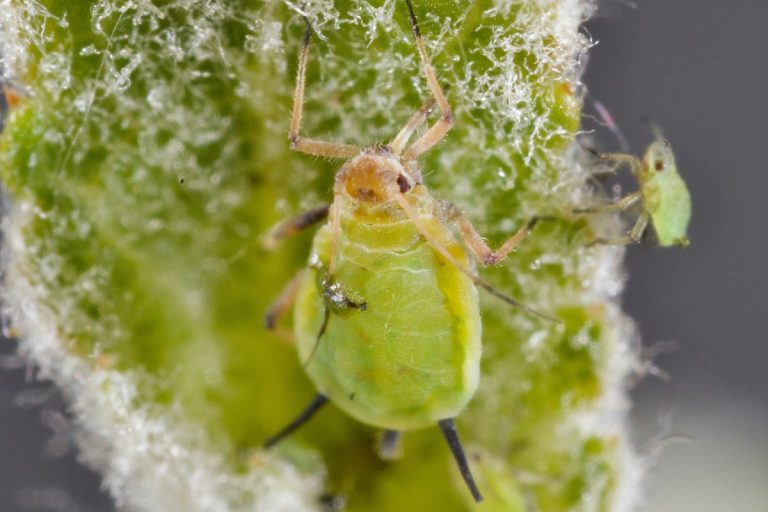
Aphids flourish and spread because they reproduce at an almost unbelievable speed that shocks many gardeners. Did you know that a single aphid can give birth to live young without mating? Plus, warm weather pushes their reproductive cycle into overdrive, especially during spring and early summer. Soft new plant growth gives them exactly what they…
The Aspirin Trick: How a 10-Cent Pill Boosts Your Plant’s Immune System

Gardeners enjoy a good hack, especially one that costs pocket change and delivers real results. That tiny aspirin tablet sitting in a medicine cabinet holds surprising power far beyond headache relief. Plants respond to aspirin in a way that feels almost like a secret handshake with nature itself. With the right approach, this simple trick…
Tips for Transplanting Without Causing Shock
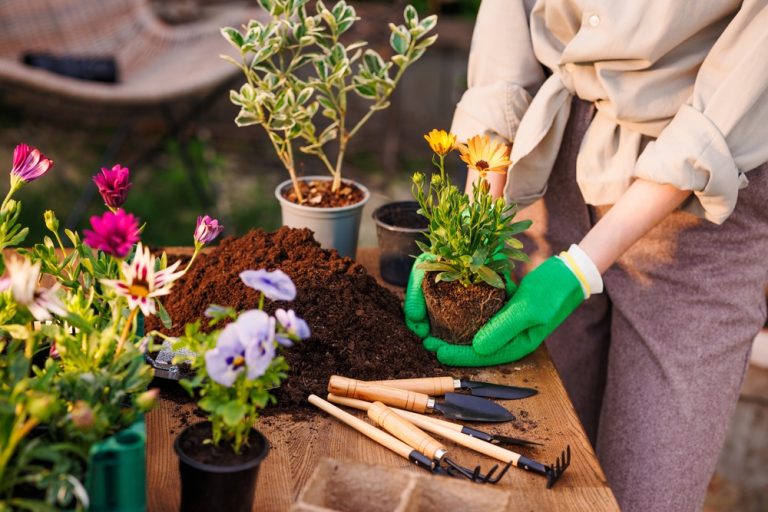
The moment a plant leaves its original home, everything changes. Roots lose their rhythm, soil conditions shift, and suddenly that once-thriving green beauty faces a challenge it never asked for. Transplanting looks simple on the surface, yet one wrong move can leave a plant droopy, stressed, or worse, completely stalled. That dramatic slump people often…
How to Tell When Plants Are Root-Bound
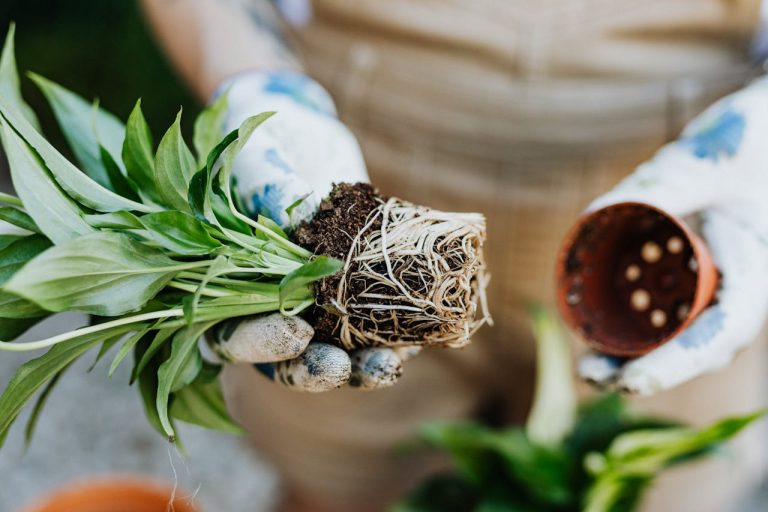
A plant can look perfectly fine one week and suddenly act like it has given up on life the next. Leaves droop, growth slows, and watering stops working the way it should. That shift doesn’t happen by accident, and it rarely shows up without a reason. Roots, hidden out of sight, often hold the answer….
Why Plants Wilt Even After Watering and What to Do
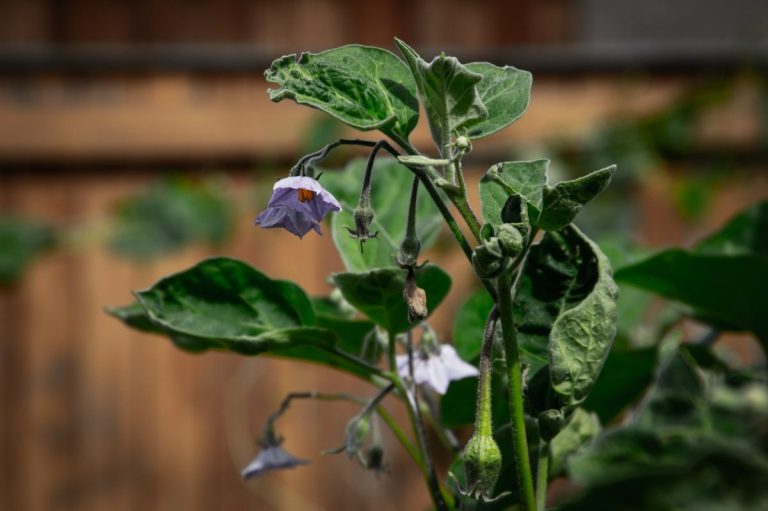
A drooping plant after a good watering session feels like a betrayal. Leaves sag, stems slump, and suddenly that once-thriving greenery looks like it gave up overnight. That moment sparks confusion because watering usually solves wilting, not causes it. Yet plants follow their own rules, and those rules revolve around roots, soil, and balance rather…
Common Leaf Spot Problems and How to Treat Them
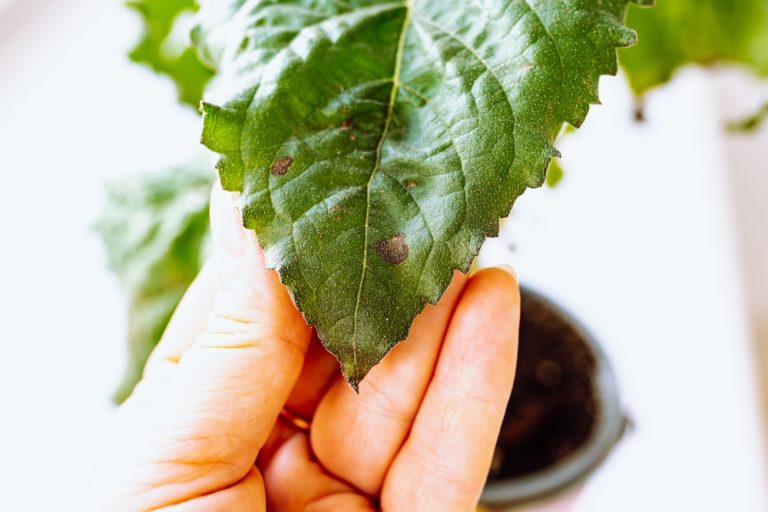
A garden can look like a masterpiece one day and a crime scene the next. Spots appear out of nowhere, leaves lose their charm, and suddenly that thriving plant feels like it’s waving a tiny white flag. Leaf spot problems don’t wait around for permission, and they don’t care how much time or effort went…
How to Revive Plants After Accidental Overwatering
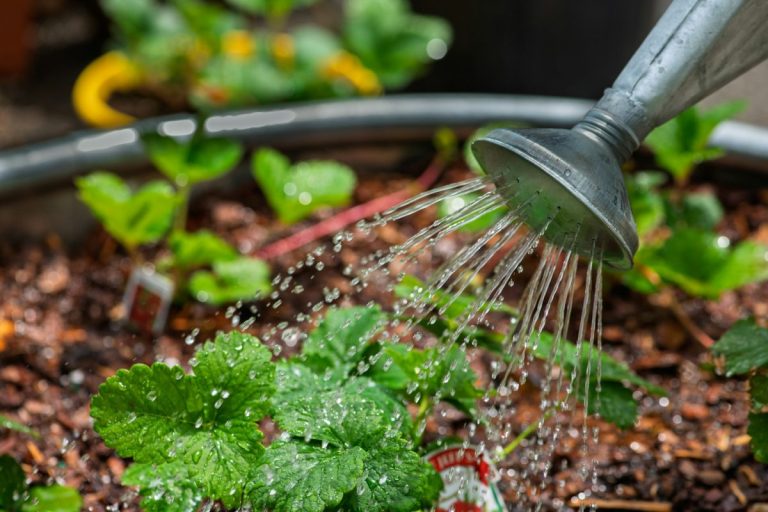
A plant drowning in kindness sounds like a contradiction, yet that’s exactly what overwatering does. One extra pour turns into two, and suddenly those once-perky leaves droop like they’ve given up on everything. The soil feels heavy, the pot looks innocent, and the plant sends distress signals that often get mistaken for thirst. That moment…
Inexpensive Ways to Shade Plants During Hot Weather
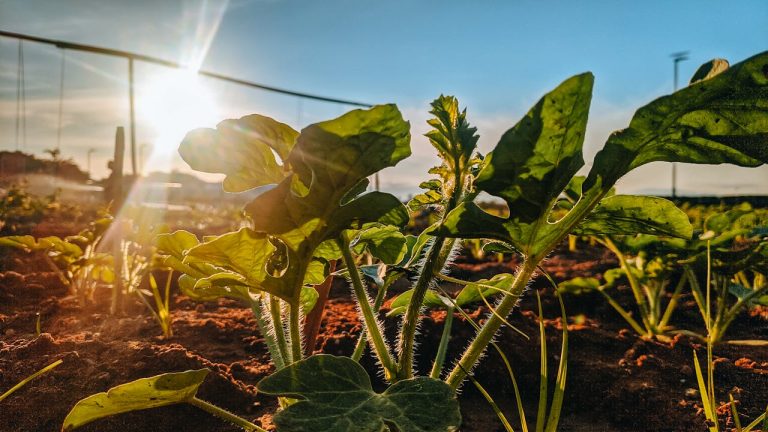
The sun does not play around in peak summer, and plants feel every blazing second of it. Leaves scorch, soil dries out faster than expected, and even the hardiest greenery starts to look tired and overwhelmed. Anyone who cares about their garden knows that heat waves demand quick thinking and smarter strategies, especially when expensive…
The Best Companion Plants for Natural Pest Control
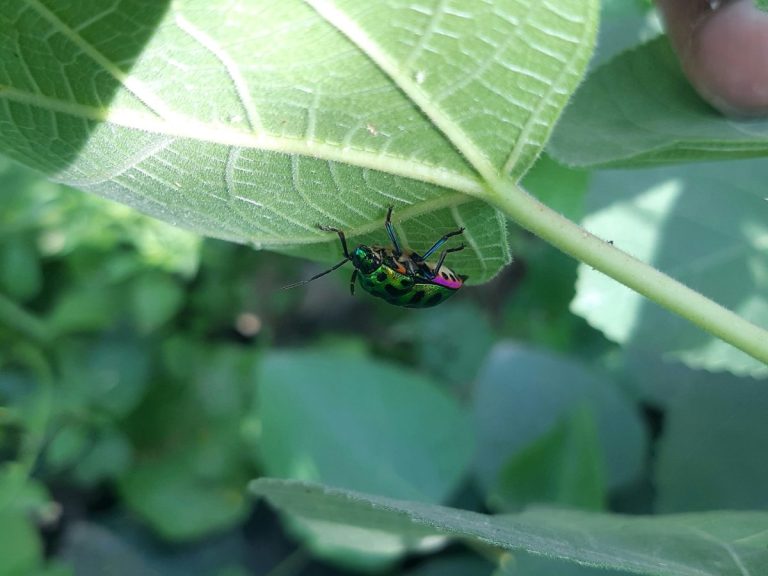
Gardening doesn’t have to feel like a battle against every creepy crawly that crosses your backyard. Imagine walking into a garden that not only looks vibrant but fights off pests on its own. Yes, it’s possible! Companion planting transforms your garden into a buzzing ecosystem where certain plants team up to protect each other, attract…