A garden bursting with fresh spring leaves looks like a victory parade for nature. Unfortunately, the insect world treats that same parade like an all-you-can-eat buffet. March marks the moment when many plants push out their softest, most nutritious growth, and certain bugs respond with laser focus. Tiny invaders crawl, chew, pierce, and sip their way across those tender leaves long before most gardeners even notice the damage.
One moment, a plant looks lush and vibrant, and the next moment those bright green leaves start curling, spotting, or disappearing altogether. This seasonal clash between plant and pest happens every single spring, yet understanding the main culprits turns confusion into confidence. With the right knowledge and a few clever strategies, gardeners can keep their plants thriving while those hungry little freeloaders search elsewhere for lunch.
Aphids: The Tiny Sap Thieves That Multiply Like Crazy
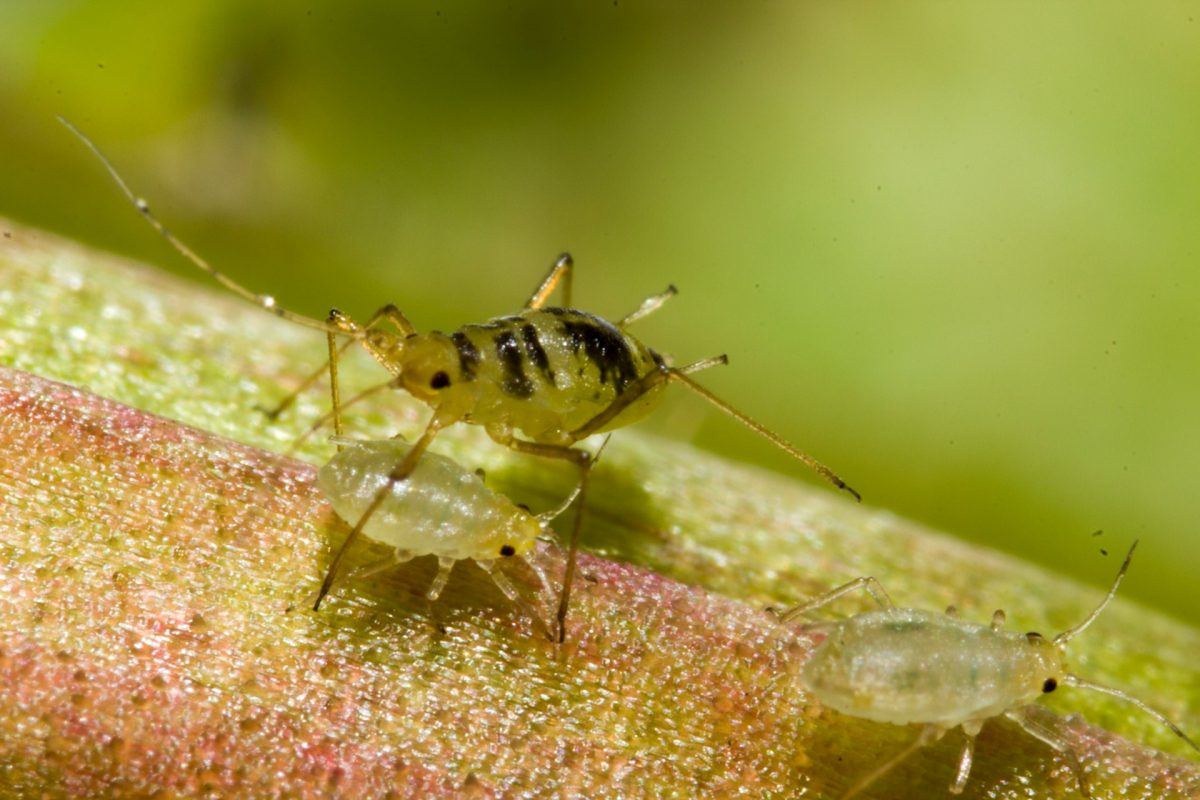
Aphids may look harmless at first glance, but these tiny insects operate like an organized army once they settle onto new growth. They gather along tender stems and the undersides of young leaves, where their needle-like mouthparts tap directly into the plant’s sap supply. This feeding weakens plants, slows growth, and causes leaves to curl or twist in strange directions. Aphids reproduce at a shocking pace during spring, and one small cluster can explode into hundreds of insects in a short time. Their sticky waste, known as honeydew, creates another problem because it attracts ants and encourages black sooty mold to grow on plant surfaces. Suddenly, a healthy plant begins to look like it fought a losing battle with sugar syrup and charcoal dust.
Gardeners who catch aphids early can stop an infestation before it spreads across the garden. A strong blast of water from a hose can knock large numbers off plants, and repeating that process every few days keeps populations low. Introducing beneficial insects like lady beetles and lacewings can also help because these predators devour aphids with impressive enthusiasm. Neem oil and insecticidal soap offer reliable organic options that interrupt feeding and reproduction without harming most beneficial insects when used properly. Regular inspection of young leaves allows gardeners to spot aphids before they gain momentum. Spring growth remains vulnerable, but quick action keeps the damage small and manageable.
Caterpillars: Leaf-Munching Machines in Disguise
March also welcomes a wave of caterpillars that treat fresh leaves like gourmet snacks. These larvae emerge from eggs laid the previous season or from early spring butterflies and moths that begin searching for host plants. Once they hatch, caterpillars waste no time settling in for a feast. They chew ragged holes through tender foliage and sometimes strip small plants down to bare stems in just a few days. Many species blend perfectly with surrounding greenery, making them difficult to notice until obvious damage appears. A gardener might walk past a plant several times before spotting the culprit happily munching along the edge of a leaf.
Physical removal works surprisingly well against caterpillars when infestations remain small. A quick garden inspection every morning or evening allows gardeners to spot and remove them before they cause serious damage. Biological controls such as Bacillus thuringiensis, often called Bt, target caterpillars specifically while leaving other beneficial insects unharmed. This naturally occurring bacterium interrupts the digestive system of caterpillars once they eat treated foliage. Birds also help keep populations in check, so encouraging bird activity around the garden adds another layer of defense. Healthy plants can recover from minor nibbling, but a proactive approach keeps hungry caterpillars from turning a lush garden into a buffet line.
Flea Beetles: Tiny Jumpers With a Big Appetite
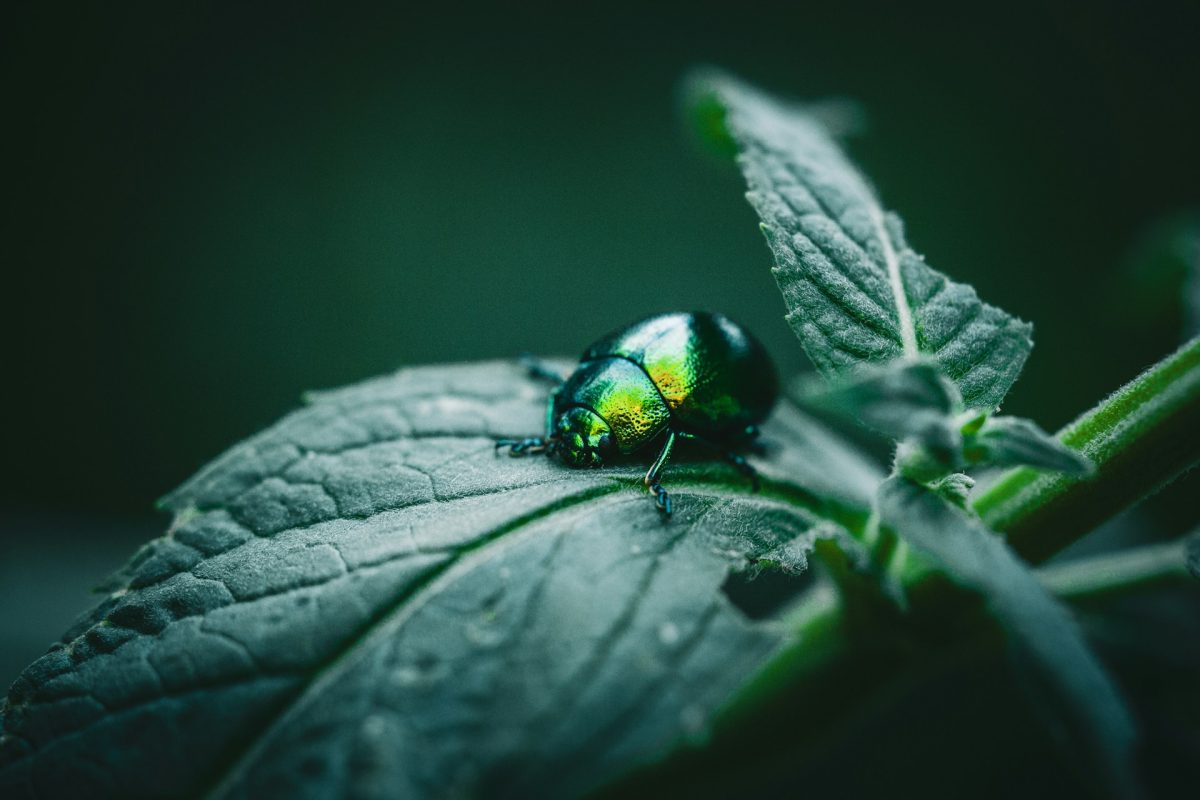
Flea beetles bring a surprising level of chaos for insects that barely reach the size of a sesame seed. These small, dark beetles earned their name from their ability to leap impressive distances when disturbed. Despite their tiny size, flea beetles can riddle young leaves with dozens of small holes, creating a damage pattern that resembles miniature shotgun blasts across plant surfaces. Seedlings and tender spring crops suffer the most because the plants simply do not have enough leaf area to tolerate heavy feeding. A handful of flea beetles can turn promising young plants into lace-like skeletons in a matter of days.
Protecting vulnerable plants early in the season can make a dramatic difference. Floating row covers placed over seedlings create a physical barrier that prevents flea beetles from reaching tender leaves. Keeping garden beds clean and removing plant debris also reduces the places where flea beetles can overwinter. Some gardeners sprinkle diatomaceous earth around plants to discourage crawling insects from settling in. Companion planting with strongly scented herbs like basil or mint can also make certain plants less attractive to these persistent jumpers. Vigilance during early spring growth remains the most effective strategy because flea beetles prefer young leaves above all else.
Thrips: The Nearly Invisible Leaf Distorters
Thrips rank among the smallest troublemakers in the garden, yet they cause damage that can puzzle even experienced gardeners. These slender insects scrape plant tissue and suck out the contents of the cells, leaving behind pale streaks or silvery patches across leaves. Young foliage may curl, twist, or develop a dull appearance as the feeding continues. Thrips also spread certain plant viruses, which adds another layer of concern when populations grow unchecked. Because they measure only a few millimeters long, they can easily slip past casual observation until visible damage appears.
Managing thrips requires persistence and a combination of tactics. Blue or yellow sticky traps placed around plants can help monitor and reduce adult populations. Spraying plants with insecticidal soap or neem oil can interrupt feeding when applied thoroughly across leaf surfaces. Maintaining healthy soil and strong plant growth also helps because vigorous plants tolerate minor feeding much better than stressed plants. Removing heavily damaged leaves can limit further spread and encourage fresh growth. With consistent monitoring, gardeners can prevent these nearly invisible insects from turning vibrant spring foliage into a patchwork of scars.
Young Leaves Need Bodyguards
Tender spring leaves carry all the appeal of a gourmet salad bar for insects, which explains why so many species arrive right when new growth appears. Aphids drain sap, caterpillars chew through foliage, flea beetles pepper leaves with holes, and thrips scar delicate plant tissue. Each pest attacks in its own way, yet all of them share the same goal: fresh, nutrient-rich plant growth. A garden that receives regular attention often avoids the worst outbreaks because early detection changes everything. Quick action can stop an infestation before it spreads across multiple plants.
Healthy garden habits make the biggest difference over time. Encouraging beneficial insects, maintaining good airflow between plants, and inspecting leaves regularly all contribute to a strong defense system. Natural pest controls and physical removal methods can reduce populations without disrupting the balance of the garden ecosystem. When plants grow vigorously and gardeners stay observant, many pests struggle to gain a foothold. Spring growth will always attract hungry insects, but a prepared gardener holds the advantage.
Which early-season garden pests cause the biggest headaches in your yard, and what strategies have worked best to keep them under control? Share your insights and experiences in the comments section.
You May Also Like…
9 Backyard Bugs That Can Damage Plants Before Summer
The Most Overlooked Spring Pest: Cutworms
The Bug That’s Hitchhiking on Nursery Plants — And How to Spot It
Experts Warn: This Popular “Natural” Pest Spray Is Harming Pollinators
Florida Is Bracing for a Major Pest Surge — Here’s the Low‑Cost Prep Homeowners Need Now

Brandon Marcus is a staff writer for FrugalGardening.com at District Media, Inc., where he delivers practical gardening advice with a relatable, no-nonsense style. An avid amateur gardener, he holds a BA degree and with over ten years of professional writing experience, he is also an award-winning published author whose first book, Questions For Deep Thinkers, was released by Adams Media. His work has appeared in major publications including Fandom.com, CHUD.com, TheColdWire.com, and Fansided.com.
Leave a Reply