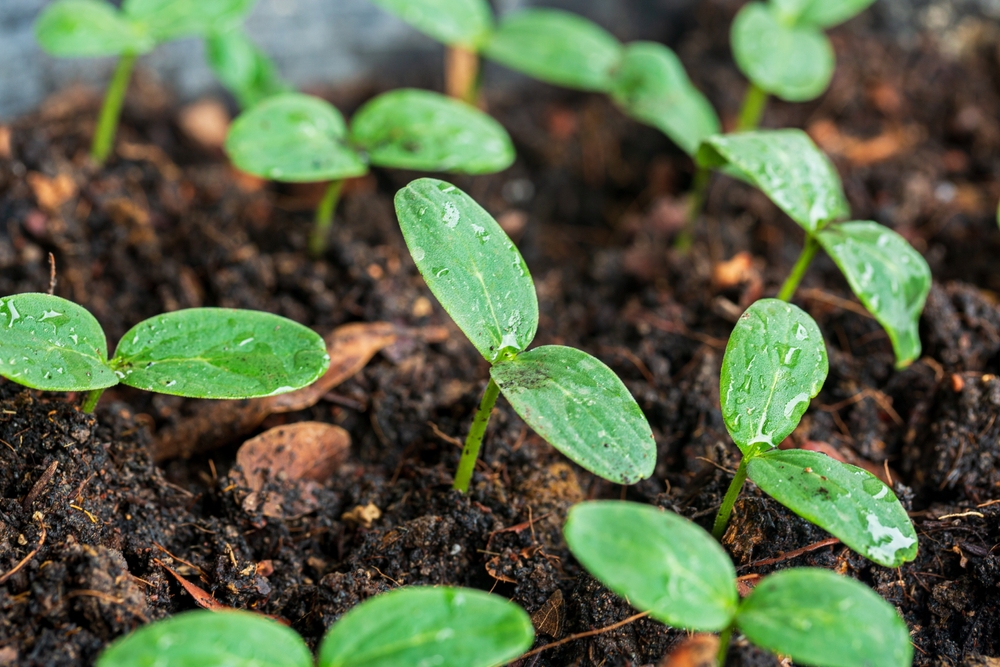
Cold nights can strike tiny seedlings like a stealthy ninja, and even the healthiest ones can wilt and waver when temperatures dip unexpectedly. Protecting them doesn’t have to involve spending a fortune on fancy covers or plastic cloches. In fact, a little creativity and some everyday items around the house can shield these tender little green warriors and keep them dancing in the sunlight.
The chill of nighttime isn’t just uncomfortable for gardeners; it’s a genuine threat to the life of your seedlings. Frost can damage leaves, stunt growth, or even kill plants outright. But planting season isn’t about stress—it’s about excitement, growth, and experimenting with what works. Luckily, there’s an arsenal of tricks that don’t require spending a dime at the garden store. From natural insulators to clever positioning, these strategies not only protect seedlings but can also turn the garden into a playful, experimental space that’s as much fun as it is fruitful.
Layer Up With Household Materials
Not all heroes wear capes, and in the world of cold protection, some of the best protectors live right in your home. Towels, old sheets, and even newspaper can act as surprisingly effective insulation for seedlings. By draping them over plants at night, you create a pocket of warmer air around the leaves and stems, reducing the chilling effect of frost. The key is to avoid letting the covering touch the plants directly—use sticks, stakes, or small cages to hold up the fabric so your seedlings don’t get squashed.
This method works because fabric traps air, and trapped air retains heat from the soil and the environment. At the break of dawn, remove the coverings so sunlight can reach the seedlings; leaving them wrapped in the sun can overheat delicate plants. Another tip: layering multiple materials increases warmth, much like putting on several sweaters during winter. Towels over a row of newspaper can boost the temperature just enough to keep frost from biting. You’ll be surprised how effective ordinary household items can be at giving your seedlings a cozy night under the stars.
Heat the Soil Before Bedtime
Cold nights don’t just attack from above—they seep up from the ground too. Pre-warming the soil around seedlings is a simple, yet often overlooked tactic. Watering the soil in the afternoon helps because wet soil holds heat better than dry soil, giving off a little warmth as the night settles in. You can also place stones, bricks, or even empty soda cans filled with water around seedlings; these objects absorb heat during the day and release it slowly at night, creating a mini radiator effect.
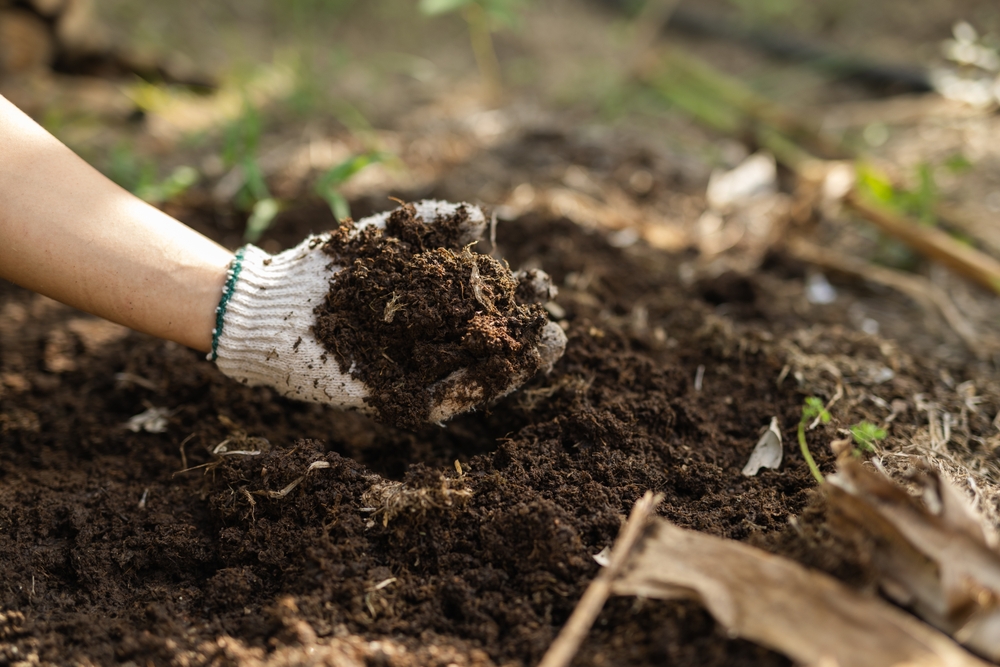
For those who really want to get clever, burying a small layer of compost around seedlings can help retain heat. Compost generates a tiny amount of heat as it decomposes, adding a subtle but helpful thermal buffer. Another option is to position seedlings near south-facing walls or fences, which radiate stored daytime heat back toward the plants after sunset. By thinking about soil temperature and natural heat retention, gardeners can protect seedlings without a single purchased cover, all while recycling household items and improving soil health.
Create Mini Windbreaks
Frost isn’t the only enemy on cold nights—wind can be just as damaging. Even if temperatures are only mildly chilly, wind can strip away protective moisture from leaves and intensify the cold effect, making seedlings shiver and wilt. Constructing small windbreaks is a surprisingly easy and inexpensive solution. Cardboard, old wooden crates, or even upside-down baskets can shield seedlings from icy gusts. Place them strategically around the plants, focusing on the side that faces prevailing winds.
The beauty of windbreaks is that they don’t just block cold air—they create a calmer microclimate for your seedlings. Plants protected from constant wind retain moisture, maintain healthier leaves, and recover faster in the morning sun. Another playful trick is to use a temporary hedge of potted plants around seedlings, which serves as both a barrier and a layered warmth shield. When winter gusts arrive, seedlings tucked behind these barriers can stand tall and vibrant, proving that a little creativity goes a long way in protecting delicate young plants.
Group Plants Together for a Heat Hug
If there’s one trick gardeners swear by, it’s the power of community—even in seedlings. Grouping plants together creates a pocket of shared warmth, reducing heat loss and boosting survival odds on cold nights. Each plant radiates a tiny bit of heat, and when clustered, these small sources combine to make a noticeable difference. This method works especially well in trays or small beds where airflow can be controlled, and plants can huddle safely without being crushed.
To maximize the effect, place taller seedlings around shorter ones, creating a natural canopy that blocks cold air from settling on the smaller plants. Positioning plants in containers close to walls, patios, or fences enhances warmth even further, leveraging residual heat from structures. Pair this tactic with other strategies like soil heating or fabric layers, and suddenly the garden transforms into a cozy fortress against cold nights. Plant sociology has never been so literal, and seedlings thrive when they get a little extra warmth from their leafy neighbors.
When Nature Cooperates: Timing and Position
Cold nights are inevitable in spring and fall, but gardeners can often outsmart the worst of them with clever timing and placement. Plant seedlings during periods of warming temperatures rather than right before a predicted frost. Take advantage of natural microclimates in your garden: low spots tend to collect cold air, while slightly elevated areas stay warmer. Even minor adjustments in placement can spell the difference between a frostbitten seedling and a healthy, thriving plant.
For added safety, observe the forecast and plan interventions on nights predicted to drop below 40°F (4°C). Move containers indoors or to sheltered spots if possible, and remove or reposition soil-absorbing heat sources for maximum effect. This strategy requires a little vigilance but almost never fails. By aligning with nature’s rhythm instead of fighting it, seedlings get a fighting chance, and gardeners gain the satisfaction of working smart rather than spending excessively on protective gear.
Cozy Nights, Happy Seedlings: The Bottom Line
Cold nights don’t have to send seedlings into panic mode. With a bit of ingenuity, everyday materials, and strategic placement, young plants can survive—and even thrive—without purchasing specialized covers. From household fabric layers to soil heat retention, windbreaks, plant clustering, and smart positioning, each approach works in harmony to create a warm, safe microclimate. The key is to combine methods and observe how plants respond, adjusting strategies night by night.
Which combination of strategies sparks curiosity most in your garden? Share your favorite tricks, wild experiments, or inventive solutions in the comments.
You May Also Like…
Low-Cost Cover Crops That Improve Soil Without Extra Work
How to Start Seeds Indoors on a Tight Budget Without Wasting Money
The Little-Known Secret to Strong, Healthy Seedlings That Costs Almost Nothing
How to Strengthen Seedlings Without Buying Products
Why Moss Appears on Lawns and What It Says About Your Soil

Brandon Marcus is a staff writer for FrugalGardening.com at District Media, Inc., where he delivers practical gardening advice with a relatable, no-nonsense style. An avid amateur gardener, he holds a BA degree and with over ten years of professional writing experience, he is also an award-winning published author whose first book, Questions For Deep Thinkers, was released by Adams Media. His work has appeared in major publications including Fandom.com, CHUD.com, TheColdWire.com, and Fansided.com.
Leave a Reply