Gardens rarely fail because the soil lacks magic nutrients. Instead, gardens struggle when plants grow at the wrong moment in their seasonal rhythm. Every seed follows a biological schedule tied to temperature, daylight, and moisture cycles. Fertilizer often gets blamed for poor results, yet timing usually drives the real outcome. Smart gardeners focus on when to plant and feed, not just what to add to the soil.
Plants respond to environmental cues faster than any fertilizer can compensate. A perfectly balanced nutrient mix cannot rescue seedlings planted in cold, inactive soil. Roots slow down, leaves stall, and growth loses direction when timing misses the mark. Successful gardens align natural cycles with planting decisions, creating stronger and more resilient crops from the start.
Soil Temperature Sets the Growth Clock
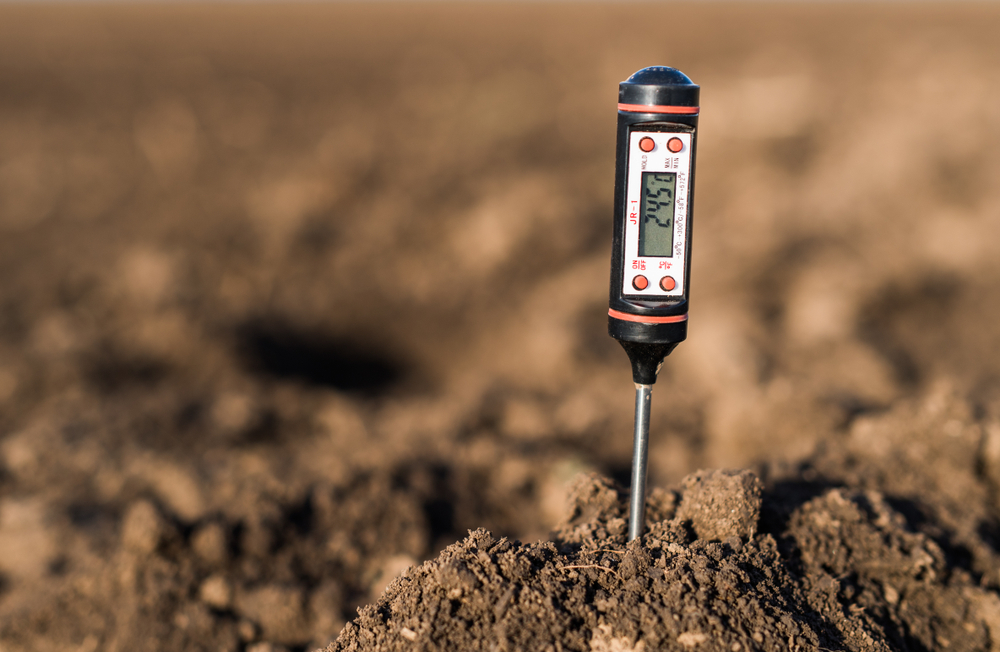
Soil temperature controls germination speed and root activity more than most gardeners realize. Seeds refuse to activate when the ground stays too cold, even when nutrients sit nearby waiting. Warm soil signals plants to begin metabolic processes that drive early growth and establishment. Fertilizer cannot override this biological switch because roots simply do not absorb nutrients efficiently in low temperatures. Gardeners who track soil warmth gain a major advantage before planting even begins.
Cold soil often leads to uneven sprouting and weak seedlings that struggle to compete. Warm soil, on the other hand, supports rapid root expansion and balanced nutrient uptake. Timing planting dates to match ideal soil conditions creates stronger plants without increasing fertilizer use. A simple soil thermometer often delivers better results than expensive soil amendments. Garden success starts underground long before visible growth appears.
Seasonal Windows Control Nutrient Efficiency
Each plant grows best within a specific seasonal window that matches its natural rhythm. Cool-season crops like lettuce perform poorly when planted during hot summer peaks, no matter how much fertilizer gets applied. Warm-season crops like tomatoes stall when planted too early in spring soil that lacks heat stability. Timing planting windows correctly allows plants to use nutrients efficiently instead of wasting energy fighting environmental stress. Fertilizer only enhances growth when seasons already support the plant’s biological needs.
Missed timing often creates nutrient runoff problems that waste resources and harm soil structure. Plants absorb nutrients best when sunlight, temperature, and moisture align in harmony. Seasonal awareness reduces the need for constant feeding because plants naturally maximize uptake during optimal periods. Gardeners who follow planting calendars often notice stronger yields with fewer amendments. Proper timing turns average soil into productive ground without excessive chemical input.
Watering Cycles Work With Timing, Not Against It
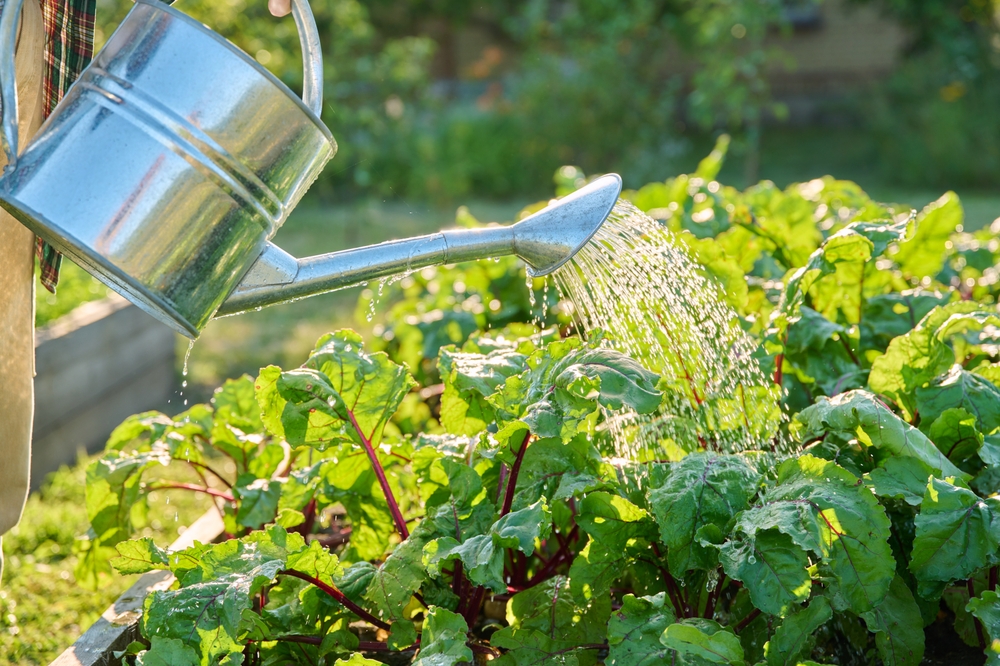
Water plays a major role in nutrient movement, but timing determines how effectively plants use both. Overwatering during the wrong growth stage washes nutrients away before roots can absorb them. Underwatering during active growth slows nutrient transport and weakens plant structure. Proper planting timing ensures water supports development instead of disrupting it. Fertilizer cannot fix damage caused by poorly timed watering patterns.
Plants rely on consistent moisture during early establishment stages to build strong root systems. Timing irrigation to match growth phases increases nutrient absorption without adding extra fertilizer. Seasonal rainfall patterns also influence how much supplemental watering a garden actually needs. Gardeners who coordinate planting schedules with natural rainfall cycles reduce stress on both plants and soil. Balanced timing creates a stable system where water and nutrients work together instead of competing.
Plant Development Follows Nature’s Schedule
Every plant follows a predictable development cycle that responds to light, temperature, and time of year. Flowering, fruiting, and leaf production all depend on environmental triggers that no fertilizer can replace. When planting happens too early or too late, plants waste energy correcting internal imbalances instead of growing productively. Timing decisions shape the entire life cycle of a plant from root to harvest. Fertilizer only supports that cycle when timing already aligns with natural cues.
Light exposure especially influences plant behavior in ways fertilizer cannot override. Longer days trigger flowering in many crops, while shorter days signal dormancy or slowdown. Matching planting schedules to daylight patterns ensures plants enter each growth stage at the right moment. Gardeners who respect these natural schedules often enjoy more predictable harvests. Nature rewards timing precision far more than excessive nutrient application.
Smart Timing Turns Ordinary Gardens Into Productive Systems
Strong gardens rely on rhythm, not random inputs of fertilizer scattered throughout the season. Timing transforms planting, watering, and feeding into a coordinated system that supports healthy growth. Fertilizer still plays a role, but it works best as a supporting tool rather than a primary driver. Gardens flourish when every action aligns with seasonal and environmental cues. Timing builds consistency that no soil amendment alone can achieve.
What timing challenges have made or broken your garden season?
You May Also Like…
The Fertilizer Burn Risk for Newly Planted Crops
5 Fertilizer Errors That Reduce Yields Without You Noticing
The Urine Secret: The “Gold” Fertilizer No One Wants to Talk About
Why You Should Stop Raking Your Leaves (And Save $100 on Fertilizer)
Forget Fancy Fertilizers: The “Compost Tea” Recipe That Costs Zero Dollars

Brandon Marcus is a staff writer for FrugalGardening.com at District Media, Inc., where he delivers practical gardening advice with a relatable, no-nonsense style. An avid amateur gardener, he holds a BA degree and with over ten years of professional writing experience, he is also an award-winning published author whose first book, Questions For Deep Thinkers, was released by Adams Media. His work has appeared in major publications including Fandom.com, CHUD.com, TheColdWire.com, and Fansided.com.
Leave a Reply