Garden season can trick you into thinking perfectly good supplies are objects that look ready for retirement. A muddy hand trowel, a slightly rusty pair of pruners, a half-full bag of potting mix, or a stack of dirty nursery pots can seem destined for the garbage, especially when the garden starts winding down.
But “looks rough” and “has reached the end of its useful life” are two very different things. With a little cleaning, drying, sharpening, or smarter storage, plenty of ordinary garden supplies can make another trip around the sun, saving money and keeping useful materials out of the trash.
Give Garden Tools a Second Chance
A shovel covered in dried soil does not need a dramatic farewell ceremony. Remove stuck-on dirt with a stiff brush or water, dry the metal thoroughly, and inspect the tool for cracks, loose handles, badly damaged edges, or other problems that could make it unsafe to use. University of Minnesota Extension recommends cleaning, sharpening, and lightly oiling metal tools before winter storage because moisture and neglected grime can encourage rust.
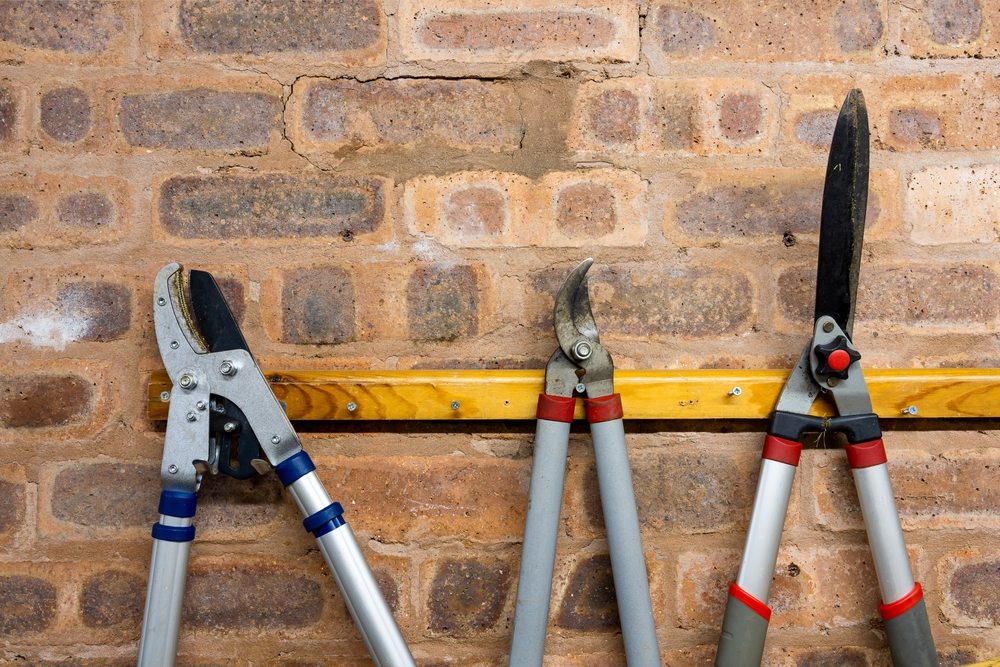
Pruners deserve a little extra attention because plant sap and debris can accumulate around the blades and joints. Wash away grime, disinfect tools when appropriate, let them dry completely, and lubricate moving parts before putting them away. A tool with some surface rust may need cleaning and sharpening, but serious corrosion can permanently damage metal components, so there comes a point when replacement makes more sense.
Don’t Automatically Toss Dirty Pots and Trays
Those plastic nursery pots may look decidedly unglamorous after a summer spent holding tomatoes, herbs, annuals, and mystery weeds, but ugliness does not make them useless. Shake out old soil, scrub away plant debris, and clean the containers before storing them for another season. Soil and plant debris can harbor plant pathogens, so cleaning matters far more than making the pots look Instagram-ready.
Pay particular attention to pots, trays, clips, stakes, and other supplies that touched diseased plants. Clean surfaces before applying an appropriate disinfectant, because dirt and organic debris can interfere with the disinfecting process. Some porous materials deserve more caution, too, since pathogens can remain difficult to remove from materials such as untreated wood, which makes replacement a better choice after certain disease problems.
Rescue Those Seeds Before They Become Mystery Packets
An old seed packet does not automatically belong in the trash, although seeds do lose viability over time. Heat and humidity speed that decline, while cool, dry storage helps preserve germination potential. Purchased seeds should stay in their original packets, and gardeners should label saved seed with the plant, variety, and collection year so next spring does not turn the seed drawer into a botanical guessing game.
When doubt creeps in, run a simple germination test instead of gambling an entire garden bed on questionable seed. Place seeds between moist paper towels, keep them somewhere warm, and check how many germinate before planting time. That little test can reveal whether an aging packet still deserves garden space, and it can prevent the frustrating discovery of an empty row several weeks after sowing.
Store Hoses, Fertilizer, and Garden Materials Properly
Garden hoses often suffer an especially undeserved fate because gardeners leave them stretched across the yard until cold weather arrives, then wonder why the next season brings leaks and cracked sections. Drain hoses completely, loosely coil them, and store them somewhere protected from harsh conditions rather than leaving them exposed outdoors.
Fertilizer and unused garden products also deserve sensible storage instead of an outdoor corner where moisture can reach them. Keep bags and containers off the ground and follow the product label for storage requirements, while keeping products securely closed and away from children and pets. Even a partly used bag has value when it remains dry and properly stored, so there is little sense in buying the same product again simply because last year’s bag suffered a preventable storage disaster.
A Five-Minute Inspection Can Save a Springtime Shopping Trip
Before replacing anything, inspect it with a simple question: does this item need replacement, or does it merely need attention? A cracked plastic tray, rotten wooden stake, badly corroded pruner, or hose with extensive damage deserves a different decision than a dirty pot, dull shovel, dusty seed packet, or muddy hand cultivator. That distinction turns end-of-season cleanup from a throwing-away spree into a useful maintenance session.
Create a small “keep, clean, repair, replace” system when packing up the garden. Clean the keepers, repair what makes financial sense, discard genuinely damaged materials, and put everything somewhere dry and easy to find before winter turns the shed into a scavenger hunt. The best garden supply may be the one already sitting on a shelf, waiting for someone to realize it still has another season left in it.
The Garden Shed May Already Have What Next Spring Needs
Good garden stewardship does not require saving every cracked pot and rusty piece of metal forever. It means taking a closer look before deciding that something has reached the end of its useful life, especially when basic cleaning, maintenance, or proper storage can keep a supply going.
The payoff reaches beyond saving a few dollars at the garden center. Clean tools reduce the chance of moving plant pathogens around, properly stored seeds have a better shot at germinating, and protected equipment can avoid unnecessary damage between seasons. A garden shed full of supplies does not need to become a museum of junk, but it also does not need to become a revolving door where perfectly usable equipment gets tossed every fall.
Which garden supply have you managed to keep going for years that other gardeners might be tempted to throw away?
You May Also Like…
How to Create an Endless Food Supply from Your Kitchen Waste
How to Store Garden Tools for Winter Without Buying New Organizers
7 Budget Tools Every Gardener Needs for Safe, Clean Shrub Pruning
5 Cheap Materials for Screening Finished Compost
10 Garden Expenses That Aren’t Worth Paying for in September

Brandon Marcus is a staff writer for FrugalGardening.com at District Media, Inc., where he delivers practical gardening advice with a relatable, no-nonsense style. An avid amateur gardener, he holds a BA degree and with over ten years of professional writing experience, he is also an award-winning published author whose first book, Questions For Deep Thinkers, was released by Adams Media. His work has appeared in major publications including Fandom.com, CHUD.com, TheColdWire.com, and Fansided.com.
Leave a Reply