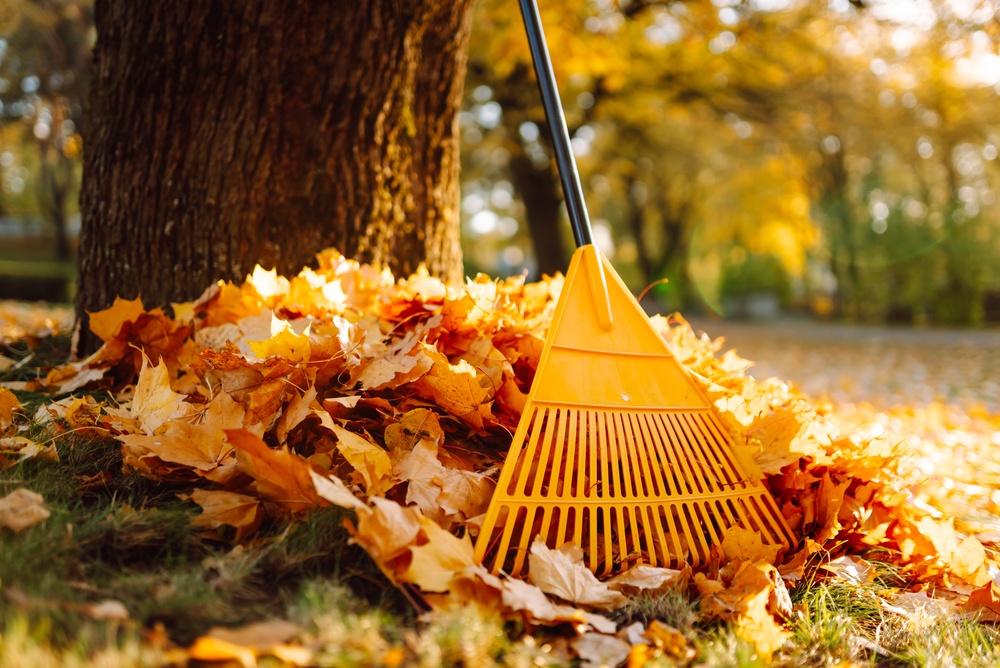
That pile of fall leaves gathering along the driveway may look like yard cleanup, but it can also replace products that gardeners routinely buy at the garden center. Instead of bagging every leaf and hauling it away, gardeners can turn those leaves into mulch, compost ingredients, or leaf mold for future garden use.
A thick, untouched blanket can smother grass and create problems, while a properly managed layer can protect soil, return organic matter, and make next season’s garden chores a little easier on the wallet.
Leaves Make Excellent Garden Mulch
Shredded fall leaves can replace some of the bagged mulch used around trees, shrubs, perennial beds, and other garden areas. A leaf layer helps cover bare soil, slows moisture loss, moderates soil temperature, and gradually adds organic matter as microbes break it down. Whole leaves can work in some locations, but they tend to mat together when wet, especially when a thick layer covers the soil. That dense mat can block water and air from moving easily through the surface, so chopping leaves first makes them much more useful. A lawn mower can handle this job neatly, turning a raked pile into a coarse, crumbly material that works especially well around established plants.
A few inches of shredded leaves can serve as a protective cover in many garden beds, but the exact amount depends on the material and location. Keep leaves away from the crowns of herbaceous perennials and from direct contact with tree trunks and shrub stems, since excessive moisture against plant tissue can encourage problems. Leaf mulch also works nicely on paths and around ornamental plantings, although wind can move lightweight pieces before they settle.
Grass clippings can join shredded leaves in a compost pile, but fresh clippings alone can compact and turn unpleasantly slimy, while dry leaves provide useful carbon-rich material. That simple combination can turn ordinary autumn cleanup into a useful garden resource instead of another trip to the store.
A Leaf Pile Can Become Future Soil-Building Material
Leaves also offer gardeners an excellent carbon-rich ingredient for a compost pile. Compost needs a mixture of carbon-rich materials, such as dry leaves, and nitrogen-rich materials, such as fresh grass clippings and many kitchen scraps. Shredding leaves speeds decomposition because smaller pieces give decomposer organisms more surface area to work on. A pile that contains only dry leaves can break down slowly, so mixing them with greener materials helps create a more active composting environment. Moisture matters too, because a pile that feels completely dry will decompose reluctantly, while an overly wet pile can lose airflow.
There is another leaf-based material worth knowing about: leaf mold. Leaf mold comes from decomposed leaves and usually takes longer to develop than ordinary hot compost, but the finished material can improve soil structure and help soil hold moisture. It does not provide the same nutrient profile as finished compost, so gardeners should not treat the two materials as interchangeable. Instead, leaf mold works particularly well as a soil conditioner and organic matter source. A simple pile or wire enclosure can hold leaves while fungi and other decomposers gradually transform them into a dark, earthy material.
Not Every Leaf Belongs in the Garden
Free does not automatically mean suitable, and leaves from every location deserve a quick inspection before they enter a garden bed or compost pile. Leaves that contain obvious trash, pet waste, or other contaminants should stay out of garden materials. Diseased plant material also deserves caution, particularly when gardeners can clearly identify serious fungal or bacterial problems on the leaves. A home compost pile may not reach conditions that reliably eliminate every plant pathogen, so questionable material makes a poor choice for spreading around valuable plants. The same caution applies to leaves collected from areas treated recently with herbicides or other lawn and landscape chemicals when the product label gives specific restrictions.
Leaf collection also calls for a little common sense around lawns and drainage areas. Leaving a heavy layer of whole leaves on turf can block sunlight and air, creating conditions that damage grass, while blowing leaves into storm drains can contribute to clogged drainage. Shredding leaves directly on the lawn with a mower can reduce the amount of material that needs raking, provided the chopped pieces do not accumulate into a heavy layer. Gardeners can then rake excess material into beds, compost piles, or a dedicated leaf-mold pile. What looks like a mountain of yard waste can suddenly become several useful garden supplies with one afternoon of chopping and sorting.
The Garden Center May Not Need to Get All the Credit
Fall leaves will not replace every bag of mulch or every load of compost, and they cannot provide a complete fertilizer program for a garden. They can, however, reduce the amount of purchased organic material a gardener needs over time while keeping useful carbon and nutrients on the property. The biggest payoff comes from matching the leaf material to the job instead of treating every leaf as garbage. Shredded leaves work well as mulch, mixed leaves can contribute to compost, and patiently decomposed leaves can become leaf mold. That makes autumn cleanup less about disposal and more about collecting a free raw material for future gardening.
The next time the yard fills with leaves, the most useful question may not involve where to put them, but what they can become. A mower, rake, compost bin, or simple leaf pile can turn that seasonal nuisance into something genuinely useful without another garden center receipt.
You May Also Like…
What Is Causing Black Residue on Leaves Beneath Trees?
Common Leaf Spot Problems and How to Treat Them
How Leaf Litter Can Improve Soil Health and Reduce Fertilizer Costs
Why Leaves Droop Even When Soil Feels Moist
Why Tomatoes Grow Leaves but Delay Fruit Production

Brandon Marcus is a staff writer for FrugalGardening.com at District Media, Inc., where he delivers practical gardening advice with a relatable, no-nonsense style. An avid amateur gardener, he holds a BA degree and with over ten years of professional writing experience, he is also an award-winning published author whose first book, Questions For Deep Thinkers, was released by Adams Media. His work has appeared in major publications including Fandom.com, CHUD.com, TheColdWire.com, and Fansided.com.
Leave a Reply