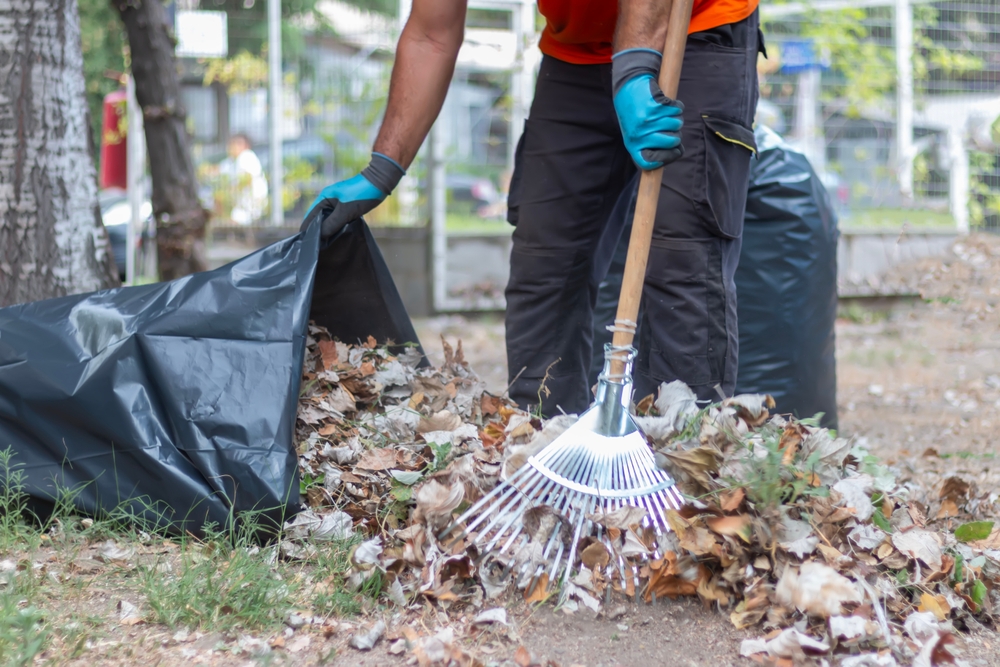
The end of summer can turn a productive garden into a surprisingly useful pile of leftovers. Those dried seed heads, fallen leaves, spent plants, and half-empty bags of garden materials may look like cleanup chores, but many can give next season’s garden a head start.
The trick involves knowing what deserves a second act and what belongs in the trash or yard-waste bin. A little sorting now can save money, improve soil, provide habitat for beneficial insects, and leave useful materials ready when spring rolls around again.
1. Seeds From Healthy Plants
Seed heads from healthy, open-pollinated plants can become next year’s free planting stash. Let pods or flower heads dry on the plant, then collect mature seeds on a dry day. Tomatoes, beans, peas, lettuce, marigolds, dill, and many other plants can provide seeds worth saving.
Skip seeds from diseased plants, however, and remember that hybrids may not produce offspring that resemble the parent plant. Store completely dry seeds in labeled paper envelopes, then keep them somewhere cool and dry. A seed collection without labels becomes a tiny botanical mystery surprisingly fast.
2. Healthy Plant Trimmings
Healthy stems, leaves, and other soft plant material can become valuable compost ingredients instead of heading straight for the garbage. Chop large pieces into smaller sections so they break down more readily. Green material contributes nitrogen, while dry material such as dead stems and leaves adds carbon to the mix.
Avoid composting plants with obvious diseases or heavy infestations, particularly when a home compost pile never reaches consistently high temperatures. Weeds with mature seeds also deserve caution because some compost piles never get hot enough to kill those seeds. A little selectivity keeps the compost pile useful instead of turning it into a weed nursery.
3. Fallen Leaves
Leaves offer one of the easiest ways to improve a garden without buying another bag of anything. Shredded leaves can serve as mulch around established plants, or gardeners can add them to compost as a carbon-rich ingredient. A thick blanket of whole leaves can mat together, restrict airflow, and smother lawn grass, so chopping them first helps.
A mower can shred leaves quickly, although a rake and leaf shredder can handle the job too. Keep leaves away from plant crowns and avoid piling wet material directly against tree trunks. Stored in a simple wire enclosure, leaves can also break down into leaf mold, a useful soil amendment with a crumbly texture.
4. Finished Compost
A compost pile often contains more value at summer’s end than it appears to contain at first glance. Finished compost should look dark and crumbly, smell earthy, and contain little recognizable food or plant material. Gardeners can use it to top-dress beds, enrich planting areas, or prepare containers for the following growing season.
Do not confuse unfinished compost with finished compost just because the calendar says summer has ended. Fresh material can continue decomposing and may temporarily compete with plants for available nitrogen. Keep unfinished compost cooking in its pile, while finished material can earn a spot under a cover or in a dry storage area.
5. Healthy Spent Annuals
Some annual flowers deserve a retirement ceremony far less dramatic than the garbage bin. Healthy plants can go into the compost pile after gardeners remove any mature seed heads they want to save. Leaving certain flower stalks and seed heads standing through fall can also provide food for birds and shelter for overwintering insects.
That does not mean every brown plant deserves a permanent garden residence. Remove plants with serious disease problems, and clear diseased tomato, cucumber, squash, and other susceptible foliage from growing areas. Healthy plants can become compost, mulch material, or future seed sources instead of simply becoming waste.
6. Garden Stakes and Supports
That crooked tomato cage or weathered plant stake may look ready for retirement, but garden hardware rarely deserves a one-season career. Clean stakes, cages, trellises, and plant supports can serve beans, peas, tomatoes, peppers, flowers, or young trees next year. A few minutes of cleaning now also makes spring planting considerably less chaotic.
Remove soil and plant debris, then wash reusable supports and let them dry before storage. Disinfect tools and supports when you deal with plant diseases, using a product and method appropriate for the material. Store everything in one dry location, because searching for a tomato cage beneath three bags of potting soil in May qualifies as an avoidable gardening adventure.
7. Extra Potting Soil
Partly used bags of potting mix do not automatically become worthless when summer ends. Keep unused commercial potting mix sealed and dry so moisture does not encourage mold or turn the material into a hard, unpleasant brick. Gardeners can use stored mix for future containers, seed-starting projects, or refreshing established pots, depending on the product.
Old potting mix from a container that held a diseased plant deserves more caution. Do not automatically dump that material into every garden bed, particularly when the previous plant showed a serious soilborne disease. For routine container gardening, however, gardeners can often reuse older mix by combining it with fresh compost or new potting mix.
8. Mulch
Mulch left at the end of summer still has plenty of work available. Organic mulch such as straw, shredded leaves, or wood chips can protect soil from temperature swings, reduce erosion, and gradually add organic matter as it decomposes. Gardeners should inspect it for moldy plant material, pests, or signs that disease spread through the bed before moving it elsewhere.
Keep mulch a few inches away from the trunks of trees and woody shrubs to reduce moisture problems and discourage pest issues around the bark. If existing mulch still looks clean and sits at an appropriate depth, simply leave it in place rather than replacing it for the sake of appearance. Garden beds do not need a seasonal makeover just because the calendar changed.
9. Empty Containers
Empty nursery pots, seed trays, buckets, and sturdy containers can save both money and frustration next spring. Clean them thoroughly, remove old roots and soil, and let them dry before stacking them somewhere protected from freezing temperatures when the material could crack. Plastic containers usually store easily, while thin pots may need extra care.
Check every container for cracks, brittle plastic, clogged drainage holes, and lingering pest or disease debris before storing it. A container with poor drainage can create more problems than it solves, so damaged pots deserve recycling or disposal rather than sentimental storage. The good ones, though, can become seed-starting trays, herb pots, transplant containers, or temporary homes for divided perennials.
The Garden Cleanup Pile Has Hidden Value
End-of-summer cleanup does not require sending every brown leaf, dried stem, and leftover supply on a one-way trip to the trash. Seeds, healthy plant material, leaves, compost, supports, potting mix, mulch, and containers can all serve useful purposes when gardeners sort them carefully.
The key involves separating useful leftovers from genuine problems such as diseased plants, contaminated material, and damaged supplies. That small distinction turns garden cleanup into preparation for the next growing season instead of simply clearing everything away.
Which garden item do you always save at the end of summer, and which one do you think deserves a second chance?
You May Also Like…
Vermicomposting 101: Setup, Costs and Time Savings Compared to Traditional Bins
Composting in Hot Weather: How Turning and Moisture Control Speed Up Decomposition
Should You Add Compost Before Planting Spring Bulbs?
Best Cover Crops for Small Gardens After Summer Harvest
7 Herbs That Keep Producing After Summer Vegetables Slow Down

Brandon Marcus is a staff writer for FrugalGardening.com at District Media, Inc., where he delivers practical gardening advice with a relatable, no-nonsense style. An avid amateur gardener, he holds a BA degree and with over ten years of professional writing experience, he is also an award-winning published author whose first book, Questions For Deep Thinkers, was released by Adams Media. His work has appeared in major publications including Fandom.com, CHUD.com, TheColdWire.com, and Fansided.com.
Leave a Reply