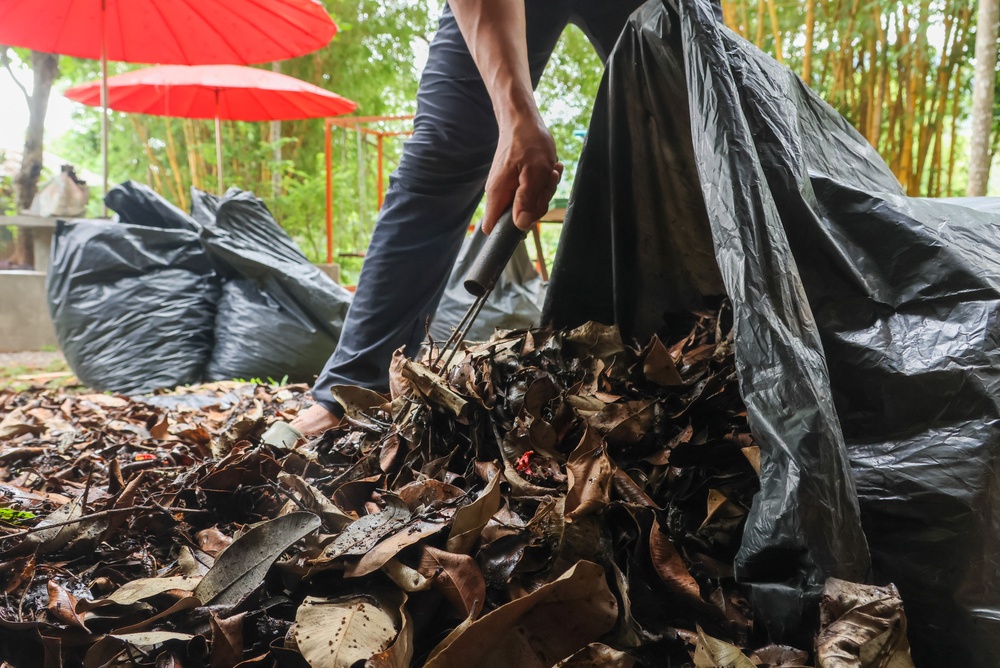
The end of summer can make a garden look like it has nothing left to offer. Spent plants, half-used seed packets, empty nursery pots, piles of leaves, and crooked tomato stakes can quickly resemble a collection of gardening junk, but much of that “junk” still has a job to do.
A little sorting can save money, improve next year’s garden, and keep useful materials out of the trash. You just need to know what deserves another season and what genuinely needs to go, because not every wilted tomato plant belongs in the compost pile.
1. Seeds You Didn’t Use
An opened seed packet does not automatically become garbage when summer ends. Many vegetable and flower seeds can remain viable for several years when gardeners keep them cool, dry, and away from moisture, although seed longevity varies considerably by plant.
Write the purchase date on opened packets, seal them in an airtight container, and store them somewhere dry rather than leaving them in a humid garden shed. A packet that has sat through heat and moisture may produce disappointing germination, but gardeners can perform a simple germination test before planting a large batch next season.
2. Healthy Spent Plants
A cucumber vine that produced its final harvest still contains plenty of organic material that can return nutrients and carbon to the garden. Healthy plant stems, leaves, roots, and other debris can go into a compost pile or bin, where microorganisms can break them down into useful organic matter.
Disease changes the equation, however, so gardeners should not casually toss infected foliage into a home compost pile. Remove plants with serious diseases according to local disposal guidance, and definitely avoid saving seeds from plants that suffered from diseases that could carry forward through seed.
3. Fallen Leaves
Those autumn leaves may look like yard clutter, but gardeners have several good reasons to keep them around. Shredded leaves can provide mulch around plants, add carbon to compost, and eventually contribute organic matter to garden soil as they decompose.
Whole piles of leaves can mat together and block water and air, so chopping them with a mower or leaf shredder makes them much more useful. Keep leaves from areas that receive herbicide treatments out of edible garden beds unless the product label specifically supports that use.
4. Finished Compost
Finished compost represents months of decomposition, and throwing it away would make about as much sense as tossing a perfectly good bag of garden soil. Dark, crumbly compost with an earthy smell can improve soil structure and add organic matter when gardeners incorporate it into beds or use it as a top dressing.
Save unfinished compost too, provided it does not contain diseased material, large amounts of weeds with mature seeds, or obvious contaminants. A compost pile can continue decomposing through cooler weather, giving those half-finished kitchen scraps and plant materials more time to break down.
5. Garden Stakes and Trellises
That collection of tomato cages, bamboo stakes, wire supports, and homemade trellises deserves a place in the shed rather than the dumpster. Garden supports can serve completely different crops next year, and a tomato stake that supported peppers this season might support peas or beans later.
Clean soil from stakes and cages before storage, especially when plants showed signs of disease. Give wooden supports a quick inspection for rot and discard anything that has become structurally weak, because saving a cheap stake does not make much sense if it collapses onto a row of seedlings next spring.
6. Nursery Pots and Seedling Trays
Plastic nursery pots often look disposable because garden centers send plants home in them, but sturdy containers can handle years of seed starting and transplanting. They also make handy temporary homes for divisions, cuttings, overwintering plants, and plants that need a little extra protection.
Wash used pots and trays with soap and water, then let them dry completely before stacking them. Skip containers that have cracked badly, held contaminated material, or no longer provide adequate drainage, because cleanliness and drainage matter more than squeezing one more season out of flimsy plastic.
7. Leftover Mulch
Mulch does not suddenly become useless because summer vegetables stop producing. Organic mulch such as straw, shredded leaves, and untreated wood chips can remain in place around perennial plants or move onto other beds where it can protect soil from temperature swings and erosion.
Before moving old mulch, check for pests, disease, or excessive compaction. If the material has broken down substantially, work some into the soil only when appropriate for the material and crop, while keeping fresh wood chips primarily on the soil surface rather than mixing large quantities into vegetable beds.
8. Old Potting Mix
A container that held a healthy plant does not necessarily need a one-way ticket to the garbage bin. Gardeners can reuse old potting mix for many purposes, especially when they refresh it with new compost or fresh potting mix and avoid asking the depleted material to do all the work.
Old mix needs more caution when a plant suffered from serious disease, persistent pests, or severe root problems. Avoid reusing heavily contaminated mix for seedlings, and remember that repeated container growing can reduce nutrients and alter the physical structure of the mix, so rejuvenation matters.
9. Plant Labels and Garden Notes
A faded plant tag can look insignificant until next spring arrives and nobody remembers which tomato produced those spectacular fruit or which pepper turned out painfully hot. Keep reusable labels, plant markers, seed-starting trays, and handwritten garden notes together so next year’s planning starts with useful information instead of guesswork.
Garden notes can record planting dates, varieties, harvest results, pest problems, and locations that performed particularly well. Even a few sentences can prove surprisingly valuable when several months separate the memory of a great harvest from the moment when the next seed packet goes into the soil.
Give Garden “Junk” Another Job
End-of-summer cleanup works better when gardeners separate genuine waste from materials that still have value. Seeds, healthy plant debris, leaves, compost, supports, containers, mulch, potting mix, and garden records can all contribute to the next growing season when gardeners store, clean, compost, or reuse them appropriately.
The goal does not involve keeping every cracked pot and mysterious bucket forever, because clutter remains clutter no matter how enthusiastically someone calls it “garden infrastructure.” A smarter cleanup leaves the shed lighter, the garden better prepared, and the shopping list a little shorter when spring finally rolls around.
What garden item do you always save at the end of the season because you know it will come in handy next year?
You May Also Like…
6 Ways to Save Seeds Without Ruining Next Year’s Germination
Ordered Seeds on Amazon? You May Not Know What You’re Actually Planting
7 Garden Plants You Should Stop Fertilizing as Summer Ends
The “Trash” Fertilizer: 5 Household Waste Items Your Tomatoes Crave
Where Can Gardeners Find Free Mulch in Late Summer?

Brandon Marcus is a staff writer for FrugalGardening.com at District Media, Inc., where he delivers practical gardening advice with a relatable, no-nonsense style. An avid amateur gardener, he holds a BA degree and with over ten years of professional writing experience, he is also an award-winning published author whose first book, Questions For Deep Thinkers, was released by Adams Media. His work has appeared in major publications including Fandom.com, CHUD.com, TheColdWire.com, and Fansided.com.
Leave a Reply