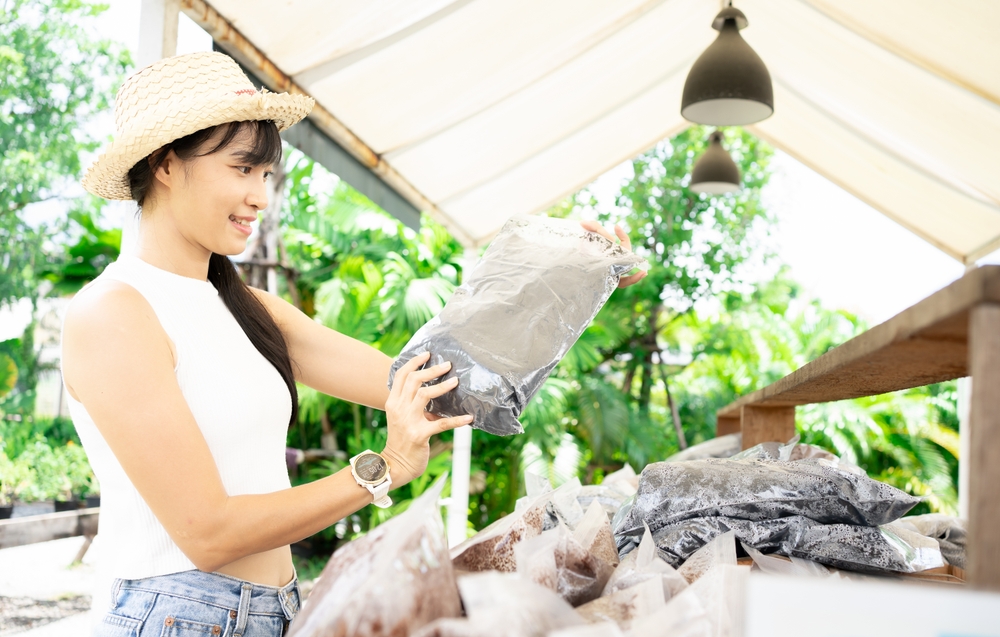
September can turn a garden center into a financial trap. Shelves fill with fall plants, shiny tools, bags of mysterious soil amendments, and enough “must-have” products to make a perfectly sensible gardener suddenly question every decision made since spring.
September gardening does not require a shopping spree. In many cases, the smartest move involves using what already sits in the shed, garden bed, compost pile, or backyard rather than reaching for a wallet. A little restraint now can leave more money available for the things that actually make a difference, such as quality bulbs, useful soil improvements, or plants suited to the site.
Skip the Panic-Buying of Fall Fertilizer
September does not automatically mean every plant needs another meal. Gardeners sometimes see yellowing leaves, fading flowers, or slowing growth and assume fertilizer will fix the problem, but those symptoms can have many causes, including normal seasonal changes, drought, pests, or poor growing conditions. Adding fertilizer without knowing what the soil needs can waste money and create problems that the garden never requested. A soil test offers much better information than guessing from a bag label, particularly when someone wants to add phosphorus or potassium. Fall feeding can make sense for certain plants and lawns, but the right product and timing depend on the crop and local conditions.
Lawns provide a good example of why blanket advice can backfire. Cool-season turf often benefits from fall fertilization because September brings favorable conditions for root and shoot growth, while many ornamental plants do not need a routine shot of fertilizer simply because autumn appears on the calendar. Newly planted landscape plants also generally need little or no fertilizer during their first growing season. That makes a giant September fertilizer haul a questionable use of garden money unless a soil test, plant requirement, or established lawn-care plan calls for it.
Don’t Buy Bags of Soil When Compost Will Do
September offers an excellent opportunity to improve garden soil without filling the trunk with expensive bags. Finished compost, well-aged manure, and clean fallen leaves can add organic matter and improve the soil structure when gardeners use them appropriately. Illinois Extension specifically recommends fall as a good time to improve garden soil with aged manure, compost, and leaves. That does not mean every bed needs a dramatic makeover, however. A modest addition of suitable organic material can accomplish more than buying several specialty products with impressive labels and vague promises.
The same principle applies to compost sold as a cure-all. If the garden already has a productive compost pile, September may provide plenty of useful material as cleanup begins, although diseased plant material should stay out of a typical home compost pile because household piles may not reach temperatures high or long enough to destroy many plant pathogens. Clean leaves can become valuable soil-building material instead of another reason to visit the garden center. A leaf pile, shredded leaves, or finished compost can often handle jobs that do not require a specialty amendment. The garden may need better soil, but it rarely needs a cabinet full of mystery ingredients.
Resist Buying Plants Just Because They’re Marked Down
Fall plant sales can look irresistible, especially when perennial tags carry prices that seem almost too good to ignore. September can indeed offer a good planting window for many herbaceous perennials, provided gardeners choose healthy plants and give them enough time to establish roots before severe cold arrives. A bargain plant still needs the right sunlight, soil, moisture, and space, though, and a discount does not magically fix a bad location. Buying three struggling specimens simply because they cost less than one healthy plant rarely qualifies as saving money.
A better September purchase starts with a specific job in mind. Maybe a bare corner needs a perennial, a pollinator bed needs late-season flowers, or a container needs a little autumn color from plants such as pansies or chrysanthemums. Fall-blooming plants can also provide valuable nectar for pollinators that remain active late in the season. Before buying, check the plant for disease, damaged stems, root problems, and severe drought stress, then make sure the planting site actually suits it.
Don’t Buy Winter Protection Too Early
Gardeners can spend surprising amounts of money preparing plants for winter before winter protection actually makes sense. One common example involves piling mulch around perennials and bulbs as soon as September cleanup begins. That approach can create problems because early mulch can encourage growth beneath the cover while the soil remains warm, rather than helping dormant plants through cold weather. University of Minnesota Extension recommends waiting until the soil begins to freeze before applying protective mulch around many perennials and spring-flowering bulbs.
That waiting period also creates an excellent opportunity to use inexpensive materials already available on the property. Whole or shredded leaves, partially decomposed compost, and straw can provide effective winter protection when the timing fits the plants and local climate. Wood chips and shredded bark work well as year-round soil coverings, but gardeners do not need to buy special “winter protection” products simply because a package features a snow-covered plant. Save the purchase for situations that genuinely require a particular material. Better yet, keep suitable leaves and other clean organic materials ready for the proper time.
Put the Garden Cart Away Before the Shopping Cart Wins
September rewards gardeners who pause before purchasing and ask one simple question: does the garden actually need this? Fall can bring legitimate opportunities to plant perennials, improve soil, order spring bulbs, reseed lawns, and prepare plants for colder weather, but none of those jobs requires buying every product displayed under a giant autumn sign. A good garden plan should determine the shopping list, not the other way around. That distinction can save money while also preventing sheds from filling with half-used products that seemed essential for approximately nine minutes.
What garden purchase have you made that turned out to be completely unnecessary, and what September gardening expense do you think actually deserves the money?
You May Also Like…
6 Ways to Cut Water Use Without Starving Your Garden
The Big Box Store Trap: 5 Things You Should NEVER Buy at the Garden Center
7 Garden Plants You Should Stop Spending Money On Every Year
Shopping for Grow Lights? Learn the Optimal Number of Lumens Required for Your Plants.
The Garden Center Advice That Cost Me Hundreds of Dollars

Brandon Marcus is a staff writer for FrugalGardening.com at District Media, Inc., where he delivers practical gardening advice with a relatable, no-nonsense style. An avid amateur gardener, he holds a BA degree and with over ten years of professional writing experience, he is also an award-winning published author whose first book, Questions For Deep Thinkers, was released by Adams Media. His work has appeared in major publications including Fandom.com, CHUD.com, TheColdWire.com, and Fansided.com.
Leave a Reply