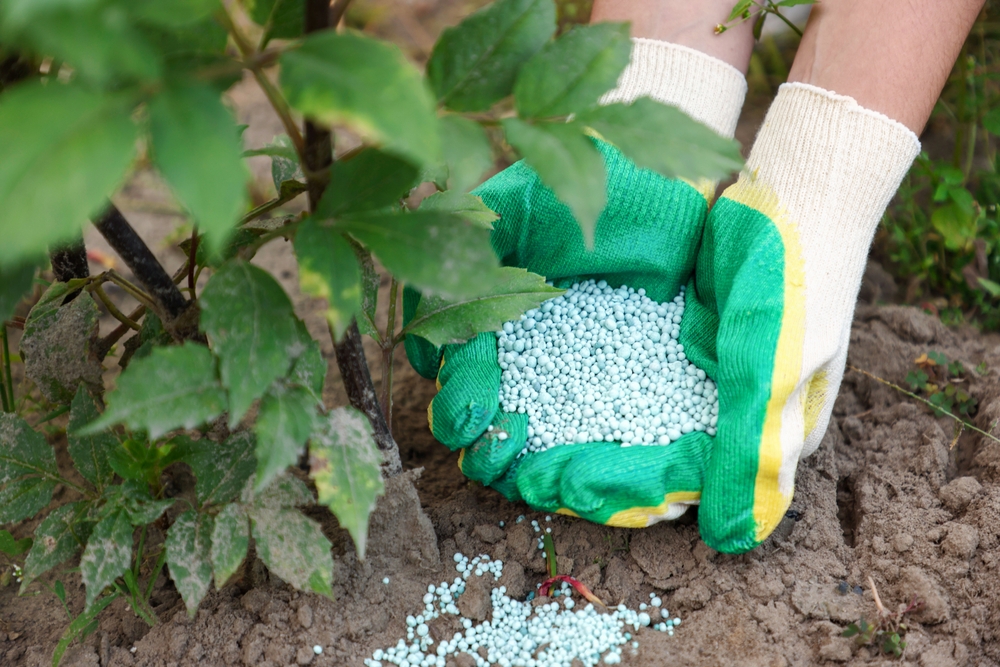
Fertilizer is like the garden equivalent of a helpful snack. A little boost seems harmless, especially when plants still look green and productive, but late-summer feeding can sometimes encourage exactly the kind of growth a plant does not need heading into cooler weather. For several common garden plants, August and early September mark the point when the fertilizer bag should spend more time sitting quietly in the shed.
The goal is not to starve plants. It is to let seasonal growth slow naturally, particularly when nitrogen could push out fresh, tender shoots that have little time to mature before cold weather arrives. Some plants also have very specific feeding schedules, so knowing when to put the fertilizer away can protect plants, reduce wasted product, and make fall garden chores considerably simpler.
1. Roses
Roses deserve a fertilizer timeout toward the end of summer because pushing out a flush of soft new growth just before cold weather can leave that growth more vulnerable to winter damage. Illinois Extension recommends no fertilizer after August 15 because late feeding can encourage succulent growth that may suffer during winter.
That timing matters, especially for gardeners who grow repeat-blooming roses and have become accustomed to feeding them throughout the growing season. A rose that still produces flowers in late summer does not automatically need another dose of fertilizer, so resist the temptation to chase every final bloom with another handful of granules.
2. Deciduous Shrubs
Many established deciduous shrubs should stop receiving routine nitrogen fertilizer as summer growth winds down, particularly when the plants already show healthy foliage and normal seasonal growth. Extra nitrogen can encourage additional shoots and leaves when the plant should gradually shift toward dormancy instead of launching another major growth spurt.
This does not mean every shrub follows one universal calendar, because species, soil conditions, pruning practices, and fertilizer products all matter. A soil test can reveal whether a genuine nutrient deficiency exists, which makes a much better case for fertilizing than simply deciding that a shrub looks hungry because the leaves have changed slightly.
3. Fruit Trees
Fruit trees usually do not need a late-summer nitrogen boost simply because they still carry fruit, and late nitrogen can encourage vegetative growth at a time when new shoots have less opportunity to mature properly. The same basic principle applies to many woody plants: fertilizer timing should match the plant’s growth cycle rather than the gardener’s desire to keep feeding.
Young or nutrient-deficient fruit trees can require a different strategy, so blanket rules can create problems. Before applying fertilizer late in the season, check the tree’s species-specific recommendations and consider a soil test, particularly if weak growth, unusual leaf color, or poor fruit production suggests a real nutrient issue rather than a normal seasonal slowdown.
4. Established Perennial Flowers
Established herbaceous perennials generally do not need endless fertilizer applications once they have produced their main season of growth. By late summer, many perennials naturally begin shifting energy away from producing lots of fresh foliage and toward finishing the season, setting seed, or preparing their underground structures for dormancy.
Late nitrogen can interfere with that natural slowdown by encouraging leafy growth that arrives too close to frost. If a perennial looks healthy and has performed normally, watering during dry weather and leaving the fertilizer alone often makes more sense than trying to squeeze out another round of greenery.
5. Ornamental Grasses
Ornamental grasses rarely need late-season fertilizer when they already grow strongly in suitable soil. In fact, excess nitrogen can encourage lush, floppy growth, which can make some grasses less attractive and less structurally sturdy as the season progresses.
These plants often provide some of their best garden interest after summer, when seed heads and stems add texture to the landscape. Instead of feeding them again, let the foliage finish its seasonal work and save major fertilization decisions for the appropriate growing period next year.
6. Lavender
Lavender belongs on the “less is more” list because it generally prefers leaner, well-drained conditions rather than repeated heavy feeding. Too much fertilizer, particularly nitrogen, can encourage excessive leafy growth instead of maintaining the compact, aromatic habit gardeners usually want from this Mediterranean plant.
Late-summer feeding also makes little sense when the plant already shows healthy growth and good flowering. Keep the soil from staying soggy, provide plenty of sunlight, and resist turning lavender into a fertilizer experiment simply because other plants in the garden receive regular feeding.
7. Native and Low-Maintenance Perennials
Many native and low-maintenance perennial plants can perform well without regular fertilizer, particularly when they grow in soil that already supplies adequate nutrients. Adding fertilizer simply because the calendar says “feeding time” can produce unnecessary growth and may even favor aggressive plants over slower-growing species.
Late summer provides an especially good opportunity to step back and let these plants follow their seasonal rhythm. If a native perennial looks healthy, flowers normally, and shows no clear nutrient deficiency, water during prolonged dry spells and skip the fertilizer rather than trying to improve something that already works.
Put the Fertilizer Bag Back on the Shelf
Stopping fertilizer does not mean stopping garden care, and that distinction matters when summer gives way to fall. Late August and early September still bring useful jobs, including watering newly planted perennials and keeping plants hydrated when rainfall falls short.
Before reaching for the fertilizer, take a good look at the plant, its growth stage, and its specific care requirements. If it looks healthy and the season is naturally winding down, doing less may actually represent the smarter gardening move.
Which plants in the garden have received their last fertilizer feeding of the season, and which ones still have you second-guessing the timing?
You May Also Like…
6 Soil Tests Worth Doing Before You Buy Fall Fertilizer
When Midseason Fertilizer Helps—and When It Burns Stressed Plants
Why Soil Tests Matter Under PA’s Fertilizer Law—Know Before You Apply
A Practical Guide to August Pruning Mistakes That May Cost You Next Year’s Flowers
Don’t Rip Out Your Summer Garden Yet: 8 Plants That May Keep Producing Into Fall

Brandon Marcus is a staff writer for FrugalGardening.com at District Media, Inc., where he delivers practical gardening advice with a relatable, no-nonsense style. An avid amateur gardener, he holds a BA degree and with over ten years of professional writing experience, he is also an award-winning published author whose first book, Questions For Deep Thinkers, was released by Adams Media. His work has appeared in major publications including Fandom.com, CHUD.com, TheColdWire.com, and Fansided.com.
Leave a Reply