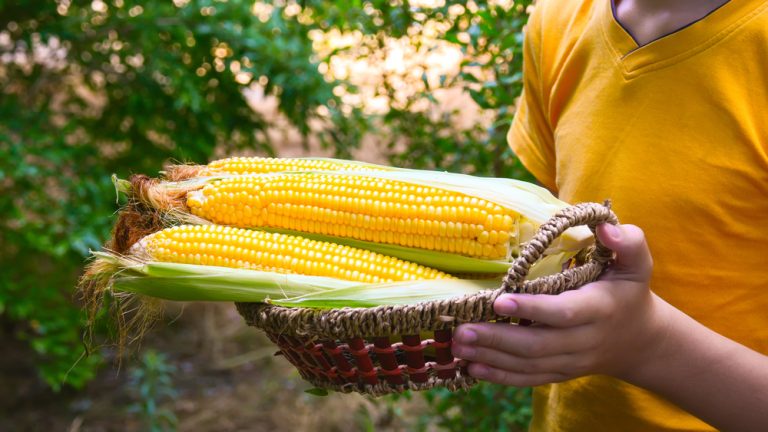
A finished corn patch does not have to become an empty square of dirt waiting for next spring. Once the last ears disappear and the stalks come down, that sunny space can host another round of useful crops that love the leftover garden conditions. Gardeners often focus so much on growing corn that they forget…
gardening
7 Garden Purchases Worth Making During End-of-Season Sales

Gardeners know a funny little secret: the best time to shop for the garden often arrives when the garden looks like it is winding down. End-of-season sales bring opportunities to grab quality tools, supplies, and plants at lower prices while preparing for next spring’s backyard adventures. The trick involves knowing which bargains deserve a spot…
6 Garden Tasks That Are Safer to Skip During Peak Afternoon Heat

The afternoon sun can turn a peaceful garden session into a sweaty battle against heat, fatigue, and a wilting collection of unhappy plants. Some garden chores simply work better in the cooler morning or evening hours, especially when temperatures climb and the soil feels like a baked clay pot. Smart gardeners know that timing matters…
Should You Wash Garden Produce Before Storing It?
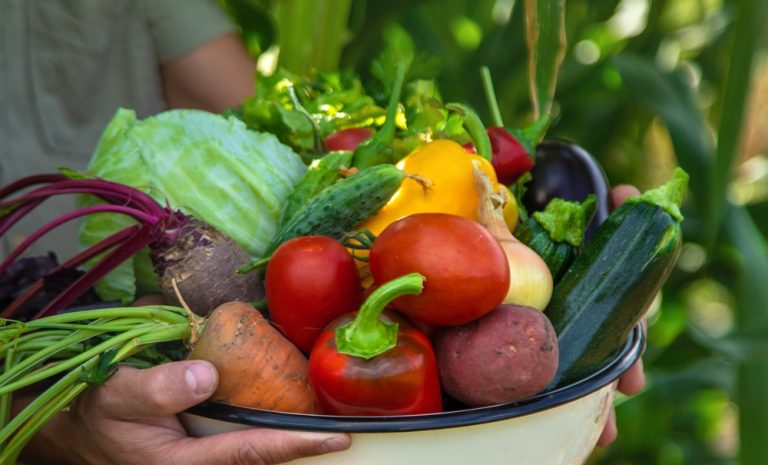
Nothing feels more satisfying than carrying a basket of freshly picked tomatoes, cucumbers, beans, or carrots into the kitchen. That colorful harvest represents weeks or even months of planning, watering, weeding, and waiting. One simple mistake after harvest, however, can shorten the life of those hard-earned vegetables. Many gardeners reach for the sink before anything…
6 Signs Garden Soil Is Too Warm for Newly Sown Seeds
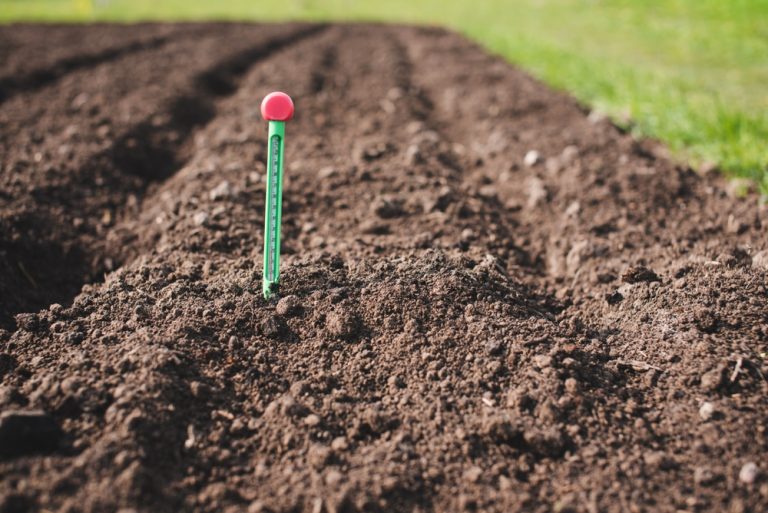
Spring often gets all the glory for seed starting, but plenty of gardeners sow seeds well into summer. That strategy works beautifully until the soil turns into something closer to a heated blanket than a cozy bed for tiny seedlings. Warm soil encourages many crops, but every seed has a comfort zone, and crossing that…
What Should You Do When a Raised Bed Sinks Midseason?
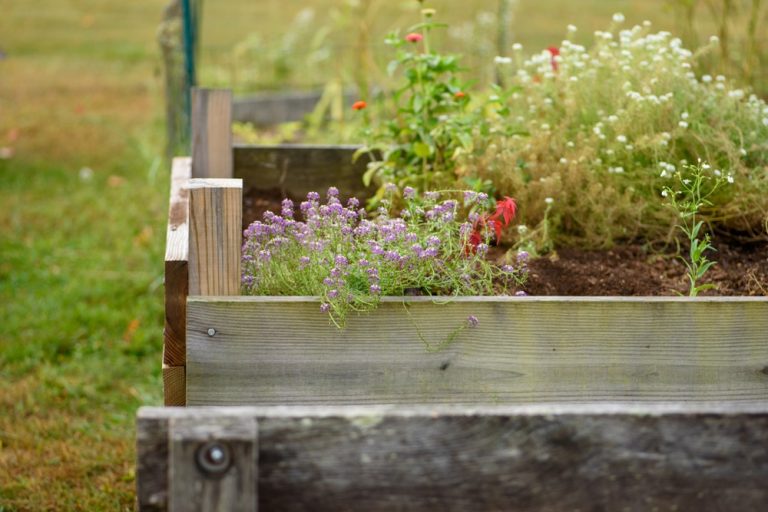
A raised bed that suddenly drops several inches in the middle of summer can spark instant panic. Plants lean at odd angles, watering changes overnight, and gardeners often assume the entire bed needs rebuilding. Fortunately, a sinking bed rarely signals disaster, and quick action can keep vegetables healthy for the rest of the season. Most…
Should You Transplant Volunteer Seedlings During Hot Weather?
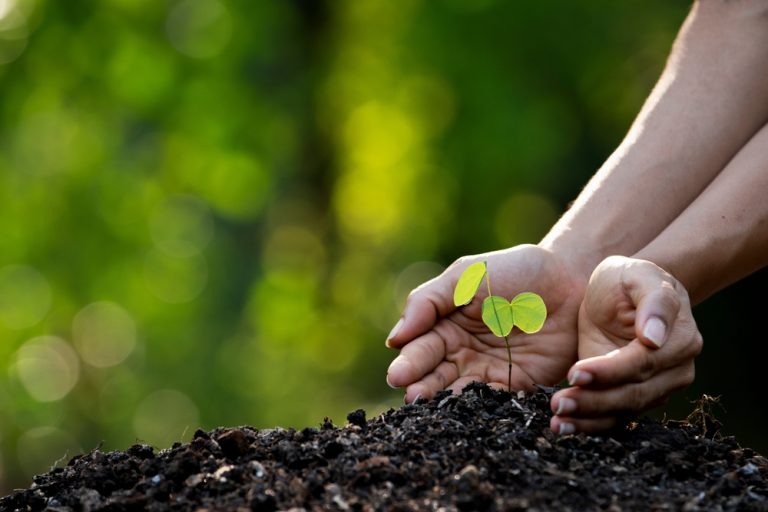
Volunteer seedlings can feel like a gardener’s little surprise package. A tomato plant that appears near the compost pile or a sunflower that pops up beside the fence may look like a gift from nature, but moving those seedlings during scorching weather requires careful timing and a gentle touch. Hot weather does not make transplanting…
Why Are More Gardeners Letting Seed Heads Stay on Summer Flowers?
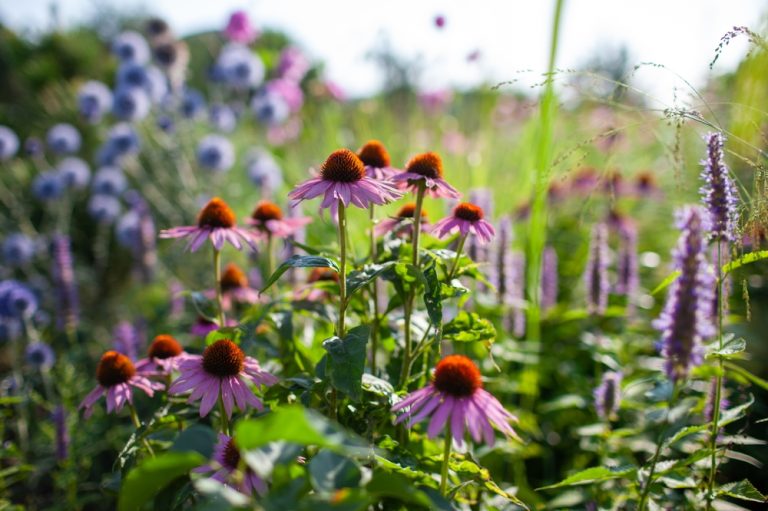
Gardeners once treated fading flowers like a cleanup mission. The moment petals dropped, many reached for pruners and removed every sign of summer’s goodbye. Now, more gardeners leave seed heads standing, and this small change creates a garden full of movement, texture, and life. Those dried flower centers might look like leftovers from yesterday’s garden…
Why Are More Gardeners Choosing Plants With Multiple Uses?
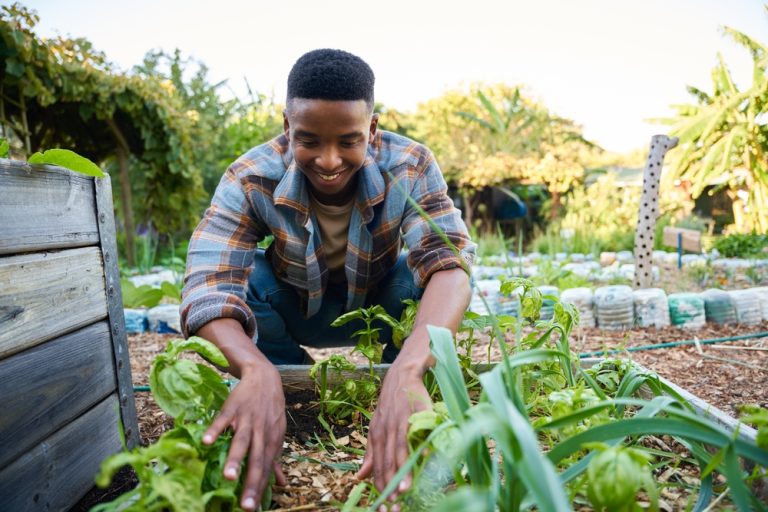
Gardens have started working a little harder these days. A single plant no longer earns praise just because it looks pretty. Many gardeners now look for varieties that can decorate a flower bed, flavor dinner, feed pollinators, and even help neighboring plants all at the same time. That shift has changed the way people shop…
Can Used Coffee Filters Help at the Bottom of Plant Pots?
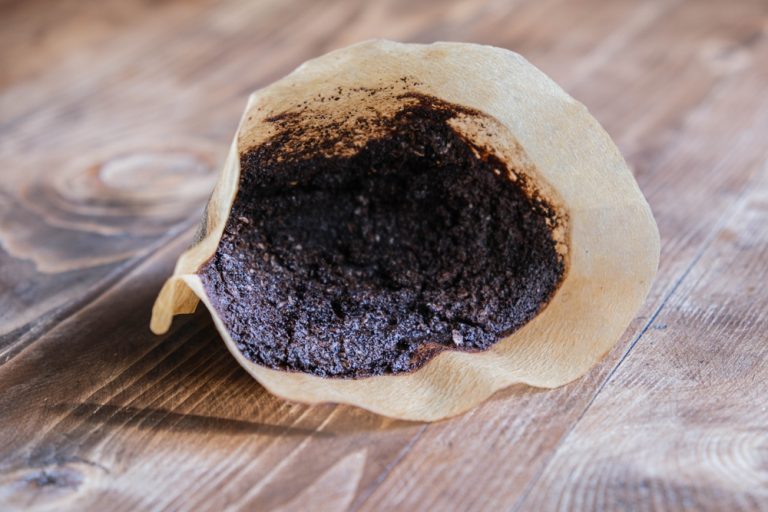
Gardeners love clever little tricks, especially when they save money and give everyday household items a second life. One of the oldest container gardening tips claims that placing a used coffee filter in the bottom of a flower pot keeps soil from escaping while still allowing water to drain. The idea sounds almost too simple,…