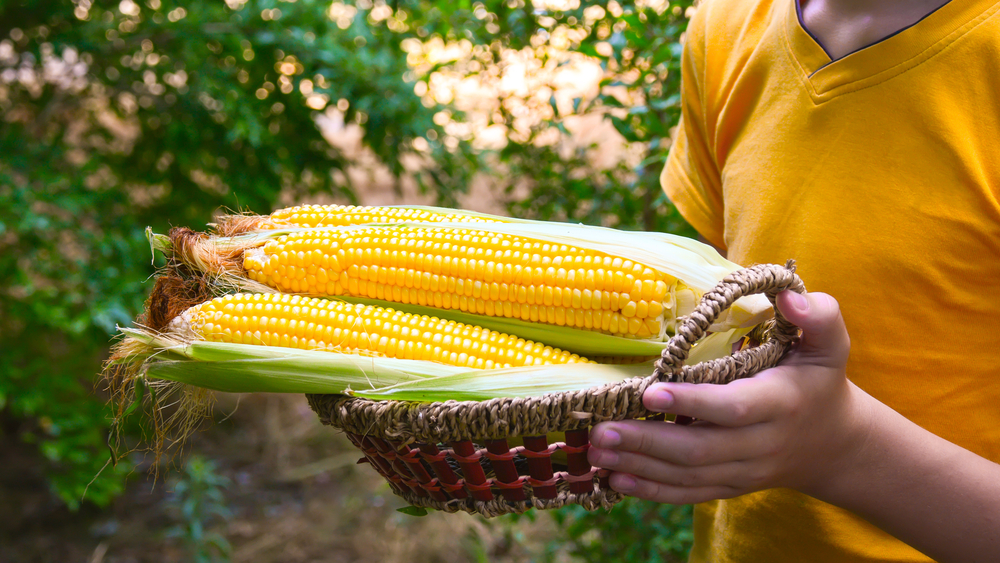
A finished corn patch does not have to become an empty square of dirt waiting for next spring. Once the last ears disappear and the stalks come down, that sunny space can host another round of useful crops that love the leftover garden conditions.
Gardeners often focus so much on growing corn that they forget the valuable real estate underneath it. A cleared corn bed offers open soil, stored nutrients, and a fresh opportunity to squeeze more food from the garden calendar without starting from scratch.
1. Spinach Brings Fresh Green Flavor After Corn Comes Down
Spinach makes an excellent follow-up crop because it enjoys cooler temperatures and can handle the changing conditions after a summer corn harvest. The open space between former corn rows gives spinach plenty of room to form tender leaves without competing with tall stalks. Fall weather often brings the crisp temperatures that help spinach develop better flavor. Gardeners should remove corn debris first because leftover stalk pieces can block small seedlings. A light layer of compost before planting gives spinach a helpful nutrient boost.
Many gardeners plant spinach seeds directly into the soil because the crop dislikes unnecessary root disturbance. The seeds prefer shallow planting and consistent moisture while they get started. Spinach also rewards quick harvesting because young leaves offer a sweet, mild taste. A finished corn patch can become a salad station before the first hard frost arrives. This simple switch turns one harvest into a two-season garden success.
2. Carrots Turn Loose Corn Soil Into a Root Vegetable Haven
Carrots can take advantage of the loose soil left behind after corn roots leave the garden bed. Corn often creates deep channels in the soil, which helps carrot roots push downward as they grow. Gardeners should remove large roots and break up compacted areas before sowing carrot seeds. Loose, stone-free soil helps carrots develop straighter roots instead of odd shapes that look like garden experiments gone wild. A sunny corn patch gives carrots the light they need to build sweet, colorful roots.
Carrots grow slowly, so they work well when planted after an early corn harvest. The cooler days of late summer and fall often improve carrot flavor because the roots store more sugars in response to lower temperatures. Keep the soil evenly moist because dry spells can make carrots tough. A thin mulch layer helps conserve moisture and protects the soil. The reward comes later when gardeners pull crisp carrots from a space that once held towering corn.
3. Bush Beans Add Nitrogen-Friendly Garden Power
Bush beans make a clever choice after corn because they grow quickly and fit neatly into open garden spaces. Unlike climbing beans, bush varieties stay compact and do not create a tangled jungle after planting. Beans also belong to the legume family, which includes plants that work with soil bacteria to capture nitrogen from the air. Gardeners still need to feed the soil because beans do not instantly refill every nutrient removed by corn. A compost addition helps create a balanced growing environment.
A late planting of bush beans can produce a fresh crop before cold weather ends the season. The plants prefer warm soil, so gardeners should wait until the corn patch loses its summer shade and the ground remains comfortable. Regular picking encourages the plants to keep producing new pods. Bush beans also make garden chores more enjoyable because they offer quick results. Few things beat finding a handful of fresh beans where corn stalks stood weeks earlier.
4. Radishes Deliver Fast Results in Open Garden Beds
Radishes fit perfectly into a post-corn garden because they grow quickly and need little space. These peppery roots can reach harvest size within weeks, making them a favorite choice for gardeners chasing another crop before winter. The loose soil from a former corn bed helps radishes expand underground without much resistance. Gardeners should clear away old stalks and weeds before planting to reduce competition. A sunny location helps radish tops grow strong while roots develop below the surface.
Radishes also work well as a confidence booster for newer gardeners. They provide visible progress because their leafy tops appear quickly after planting. Consistent watering keeps roots crisp instead of hollow or overly spicy. Gardeners can plant several rounds if fall weather stays mild. A corn patch can transform into a crunchy snack supply with surprisingly little effort.
5. Garlic Uses the Corn Patch for a Future Harvest
Garlic offers a unique option because gardeners plant it in fall and harvest it the following summer. After removing corn, the empty bed gives garlic cloves plenty of room to settle before winter. Gardeners should add compost and choose healthy garlic bulbs from reliable sources instead of grocery store bulbs that may not grow well. Mulch protects the cloves from harsh temperature swings. The garden space keeps working even while many other beds take a winter break.
Garlic rewards patience because the harvest arrives months after planting. Each planted clove can create a new bulb filled with flavorful cloves for cooking. Keep weeds under control because garlic grows slowly compared with many garden crops. The former corn patch becomes a long-term investment in future meals. Few garden plans feel more satisfying than planting now and harvesting later.
6. Kale Handles Cooler Weather With Confidence
Kale makes a strong replacement crop because it tolerates chilly conditions and keeps producing after many summer vegetables disappear. The open area left by corn gives kale enough sunlight to build large, leafy plants. Gardeners should provide compost because heavy feeders like corn may have used many available nutrients. Spacing plants properly improves airflow and reduces disease problems. A former corn bed can become a leafy green corner with a little preparation.
Kale also brings flexibility because gardeners can harvest leaves gradually instead of collecting the entire plant at once. Young leaves work well in salads, while mature leaves add texture to cooked dishes. Cool weather often improves kale’s flavor by reducing bitterness. Regular harvesting keeps plants productive through the season. The corn patch gets a second act with a crop that handles changing weather beautifully.
7. Peas Create a Fresh Start for the Garden Soil
Peas provide another smart choice when gardeners want a crop that fits cooler growing periods. Many pea varieties prefer spring or fall conditions rather than intense summer heat. Gardeners can plant fall peas after removing corn if enough growing days remain before freezing temperatures arrive. Peas also belong to the legume family, which makes them useful members of a crop rotation plan. A little compost and careful watering help them get established.
Peas offer edible pods, sweet seeds, and a satisfying harvest experience. Support structures help climbing varieties stay organized and easier to pick. Gardeners should avoid planting peas repeatedly in the same spot every year because rotation helps manage plant health. A corn patch that once reached toward the sky can later produce delicate vines and crisp pods. This kind of garden planning keeps every corner useful.
The Corn Patch Gets a Second Season
A harvested corn patch still holds plenty of potential for gardeners who plan ahead. Choosing crops that match the remaining season, available sunlight, and soil condition creates a smoother transition from one harvest to the next. Removing old corn material and adding compost remain two of the best preparation steps. Smart crop rotation also helps prevent the garden from relying too heavily on one type of plant. A little planning can turn a single corn harvest into a steady stream of fresh produce.
The garden calendar does not have to stop when corn disappears. Spinach, carrots, beans, radishes, garlic, kale, and peas each bring something useful to the space left behind. These crops prove that a finished corn patch represents a new beginning rather than an ending. The soil keeps working when gardeners give it another opportunity.
What crop would you plant after corn in your own garden, and what has worked best for your backyard?
You May Also Like…
5 Vegetables That Can Handle a Shadier Summer Corner
7 Edible Perennials That Can Fill Awkward Garden Spaces
Grow a Three Sisters Garden: Corn, Beans & Squash That Feed Each Other
Can Companion Planting Reduce Pest Damage Without Extra Spending?
5 Crops That Fit Into Narrow Side-Yard Gardens

Brandon Marcus is a staff writer for FrugalGardening.com at District Media, Inc., where he delivers practical gardening advice with a relatable, no-nonsense style. An avid amateur gardener, he holds a BA degree and with over ten years of professional writing experience, he is also an award-winning published author whose first book, Questions For Deep Thinkers, was released by Adams Media. His work has appeared in major publications including Fandom.com, CHUD.com, TheColdWire.com, and Fansided.com.
Leave a Reply