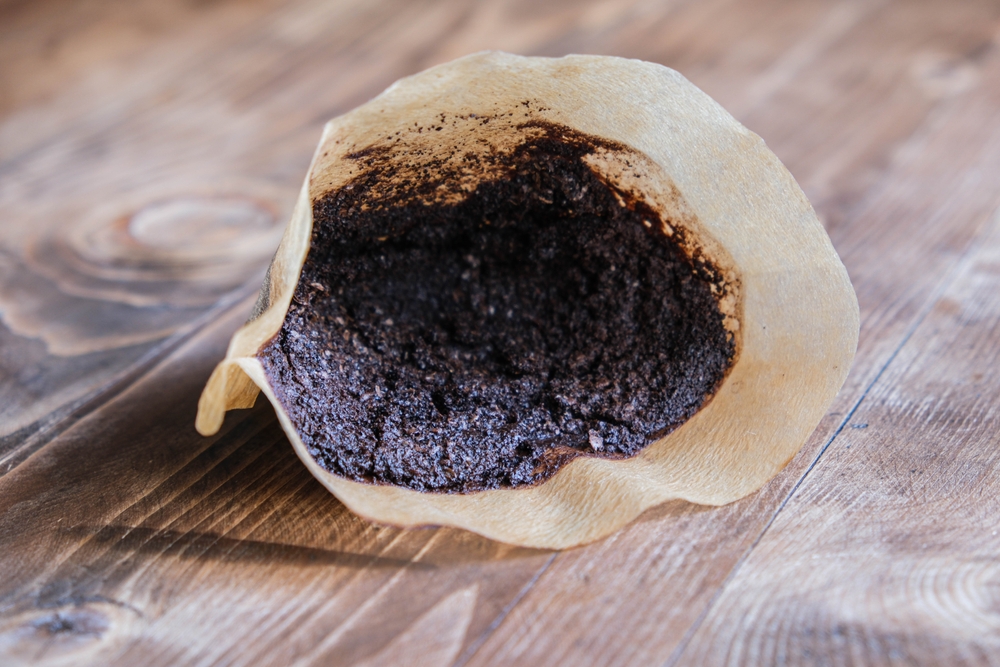
Gardeners love clever little tricks, especially when they save money and give everyday household items a second life. One of the oldest container gardening tips claims that placing a used coffee filter in the bottom of a flower pot keeps soil from escaping while still allowing water to drain. The idea sounds almost too simple, which raises an important question: does it actually work?
The answer comes with a little twist. Used coffee filters can help in certain situations, but they won’t magically improve drainage or rescue a poorly designed pot. Like many popular gardening hacks, this one works best when people use it for the right reason instead of expecting it to solve every container problem. A closer look reveals why this trick earned such a loyal following and where it falls short.
Coffee Filters Solve One Problem, Not Every Problem
A coffee filter creates a thin barrier between the potting mix and the drainage hole. That barrier keeps loose soil from washing out during watering, especially when freshly potted plants haven’t settled yet. Anyone who has watched expensive potting mix spill across the patio knows how frustrating that mess becomes.
The filter also helps prevent ants and other tiny pests from entering through the drainage hole quite as easily. It breaks down naturally over time, unlike plastic mesh or landscape fabric that can linger for years. Gardeners who repot every season often appreciate that biodegradable quality. The trick works especially well with paper filters rather than reusable cloth or metal versions, since paper gradually becomes part of the soil without creating a permanent obstacle.
Coffee Filters Do Not Improve Drainage
This common gardening myth deserves retirement. A coffee filter does not make water drain faster, and placing rocks, gravel, or broken pottery beneath the soil does not improve drainage either. Water still moves according to gravity and the properties of the potting mix, not because someone added a layer beneath it.
In fact, adding rocks at the bottom often creates what’s called a perched water table. Water collects above the coarse layer instead of moving freely through it, leaving plant roots sitting in wetter soil than expected. A coffee filter avoids that problem because it remains thin enough for water to pass through without creating a thick barrier. That makes it useful for containing soil, but not for fixing drainage problems caused by compacted soil or pots without drainage holes.
The Best Way to Use a Coffee Filter
Using this trick takes only a few seconds. Place a single paper coffee filter flat across the drainage hole before adding potting mix. Once the soil fills the container, the filter stays in place naturally and begins doing its simple job.
Used coffee filters work just as well as fresh ones, provided they don’t carry greasy residue or sugary coffee flavorings. Plain coffee stains won’t hurt plants. Some gardeners even leave a few coffee grounds attached to the filter, although moderation matters because excessive coffee grounds can create dense layers that shed water instead of absorbing it evenly. A lightly stained filter offers all the benefits without creating unnecessary complications.
Better Alternatives for Healthy Container Plants
While coffee filters earn a place in the gardening toolbox, they shouldn’t distract from the practices that actually determine whether container plants flourish. High-quality potting mix remains one of the biggest factors in healthy roots. Potting soil designed for containers stays lighter than garden soil, allowing roots to receive both moisture and oxygen.
Choosing the right pot matters just as much. Containers with multiple drainage holes allow excess water to escape quickly after watering or heavy rain. Watering correctly also makes an enormous difference. Rather than adding small splashes every day, gardeners usually achieve better results by watering deeply until water flows through the drainage holes, then allowing the top portion of the soil to dry appropriately before watering again. Those habits contribute far more to plant health than any clever shortcut.
A Few Situations Where Coffee Filters Shine
Some containers benefit more from this trick than others. Lightweight hanging baskets often lose soil quickly during watering because water flows through with extra force. Decorative ceramic pots with oversized drainage holes also become perfect candidates for a simple paper filter.
Indoor houseplants provide another great example. Nobody enjoys sweeping damp potting mix off hardwood floors after every watering. A coffee filter reduces that cleanup while keeping the drainage hole open. Even seedlings started in larger decorative containers can benefit during their first few weeks, when loose potting mix hasn’t settled around developing roots.
The Small Hack That Actually Earns Its Place
Gardening attracts plenty of folklore, and not every tip deserves a permanent spot in the shed. The coffee filter trick survives because it performs one modest job remarkably well. It keeps soil where it belongs, reduces mess, and naturally decomposes without causing long-term problems inside the pot.
The smartest gardeners separate useful shortcuts from gardening myths. A coffee filter won’t transform poor drainage, fix overwatering, or compensate for unsuitable soil. It simply makes container gardening a little cleaner and slightly easier. Sometimes the smallest tricks become worthwhile because they solve everyday annoyances without adding cost or complexity.
Have coffee filters earned a permanent spot in the gardening supplies, or has another unexpected household item worked even better? Share favorite container gardening tricks in the comments.
You May Also Like…
The Safe Way to Use Coffee Grounds Without Damaging Plants
How to Use Coffee Grounds Safely in the Garden
From Coffee Grounds to Eggshells: 10 Homemade Fertilizers You Already Have at Home!
When Midseason Fertilizer Helps—and When It Burns Stressed Plants

Brandon Marcus is a staff writer for FrugalGardening.com at District Media, Inc., where he delivers practical gardening advice with a relatable, no-nonsense style. An avid amateur gardener, he holds a BA degree and with over ten years of professional writing experience, he is also an award-winning published author whose first book, Questions For Deep Thinkers, was released by Adams Media. His work has appeared in major publications including Fandom.com, CHUD.com, TheColdWire.com, and Fansided.com.
Leave a Reply