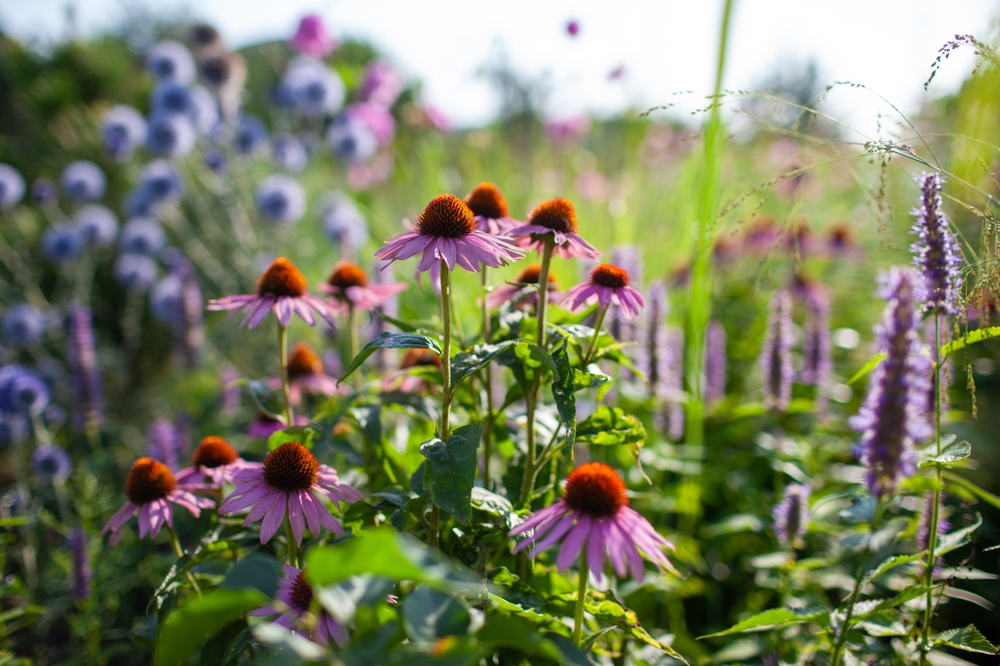
Gardeners once treated fading flowers like a cleanup mission. The moment petals dropped, many reached for pruners and removed every sign of summer’s goodbye. Now, more gardeners leave seed heads standing, and this small change creates a garden full of movement, texture, and life.
Those dried flower centers might look like leftovers from yesterday’s garden party, but they serve important purposes. Seed heads provide food, shelter, winter interest, and a reminder that a garden does not need to look perfectly polished every single day.
Seed Heads Turn Summer Flowers Into Wildlife Cafes
Many summer flowers create tiny food stations after blooming ends. Plants such as coneflowers, sunflowers, black-eyed Susans, and asters produce seeds that attract birds searching for easy meals. A goldfinch picking through a dried coneflower head creates a much more memorable garden moment than a perfectly trimmed flower bed. These natural snacks help birds find nourishment when other food sources become harder to locate. Leaving seed heads in place turns an ordinary backyard into a lively stop on the local wildlife map.
Seed heads also create hiding spots for insects that support healthy gardens. Small creatures such as native bees and other beneficial insects use plant stems and dried flower structures for shelter during colder months. Cutting everything down too early can remove these tiny habitats before insects finish their seasonal cycles. A garden with standing stems often feels more connected to nature’s rhythm. The slightly messy look brings charm because it shows a garden that works instead of one that simply poses for a picture.
Dried Flowers Add Beauty Long After Petals Fall
Summer flowers do not suddenly lose their value when colorful petals disappear. Many seed heads add shape, height, and interesting details that keep garden beds attractive well into fall and winter. Frost can coat dried stems with sparkling crystals, creating a scene that looks like nature decorated the yard overnight. Plants such as ornamental grasses, hydrangeas, and coneflowers offer strong winter silhouettes when gardeners leave them alone. The garden gains a new personality instead of becoming an empty patch of soil.
Gardeners also save time by resisting the urge to cut every fading flower. Constant trimming can become a never-ending chore, especially during the busy summer season. Leaving some plants alone gives gardeners more time to enjoy their outdoor spaces instead of always maintaining them. The trick involves choosing which plants to leave and which plants need attention. A thoughtful approach creates balance without turning the garden into an overgrown jungle.
Some Flowers Benefit From a Little Seasonal Patience
Many gardeners remove seed heads because they want plants to look tidy or encourage more blooms. That approach makes sense for certain flowers, especially plants that produce unwanted seedlings or spread aggressively. Gardeners should research individual plants because every flower follows its own rules. Some annuals and perennials happily drop seeds and return the following year, while others may create more work than excitement. A little planning helps prevent surprise garden guests that take over valuable space.
Deadheading still plays an important role in some gardens. Removing spent blooms from certain plants encourages additional flowers and keeps the display colorful during the growing season. However, gardeners do not need to remove every fading bloom from every plant. Leaving a few seed heads creates a compromise between a neat garden and a wildlife-friendly landscape. The best gardens often mix careful maintenance with a little room for nature’s creativity.
The Best Seed Head Strategy Depends on the Garden
Gardeners can start small by leaving seed heads on a few favorite summer flowers. Try keeping the strongest stems from plants such as coneflowers, zinnias, or sunflowers while trimming weaker growth around them. This simple experiment lets gardeners watch which birds, insects, and seasonal changes appear. The results often surprise people because a quiet flower bed can suddenly become much more active. Small changes can reveal how much life exists beyond the petals.
Timing matters when gardeners decide to cut plants back. Many birds enjoy seeds throughout fall and winter, so waiting until late winter or early spring often gives wildlife more time to benefit. Gardeners should also remove diseased plant material because unhealthy growth can create problems in the landscape. Healthy seed heads deserve a place in the garden, while damaged plants need a different approach. The goal involves creating a space that supports nature while still fitting the gardener’s vision.
Letting Flowers Finish Their Story Creates Better Gardens
Seed heads represent the next chapter of a flower’s life rather than the end of its purpose. They bring texture, feed wildlife, and help gardens look interesting beyond peak bloom season. Gardeners who leave some flowers standing often discover unexpected beauty in the details. A dried sunflower, a frost-covered coneflower, or a bird searching through seeds can create moments that trimmed gardens miss. Nature rarely follows a perfect schedule, and gardens often look better when they follow along.
The simple choice to keep a few seed heads can transform how people view seasonal gardening. Flowers do not need constant attention to provide value throughout the year. A garden can offer color in summer, structure in winter, and support for countless small visitors in between. That balance creates a landscape that feels alive instead of frozen in time. Sometimes the smartest gardening move involves putting the pruners down and letting plants finish their story.
What summer flowers do you leave standing in your garden, and what surprising visitors have those seed heads attracted? It’s time to discuss your favorite garden discoveries in the comments.
You May Also Like…
SNAP Benefits Can Buy Seeds—How Families Can Turn Food Assistance Into Fresh Produce
Why Planning Ahead Leads to Better Yields
Save Seeds, Save Money: Harvest, Dry and Store Seeds from This Year’s Favorite Heirloom Plants
7 Quick-Germinating Seeds That Deliver Fast Results
9 Plants That Add Color Without Needing Constant Deadheading

Brandon Marcus is a staff writer for FrugalGardening.com at District Media, Inc., where he delivers practical gardening advice with a relatable, no-nonsense style. An avid amateur gardener, he holds a BA degree and with over ten years of professional writing experience, he is also an award-winning published author whose first book, Questions For Deep Thinkers, was released by Adams Media. His work has appeared in major publications including Fandom.com, CHUD.com, TheColdWire.com, and Fansided.com.
Leave a Reply