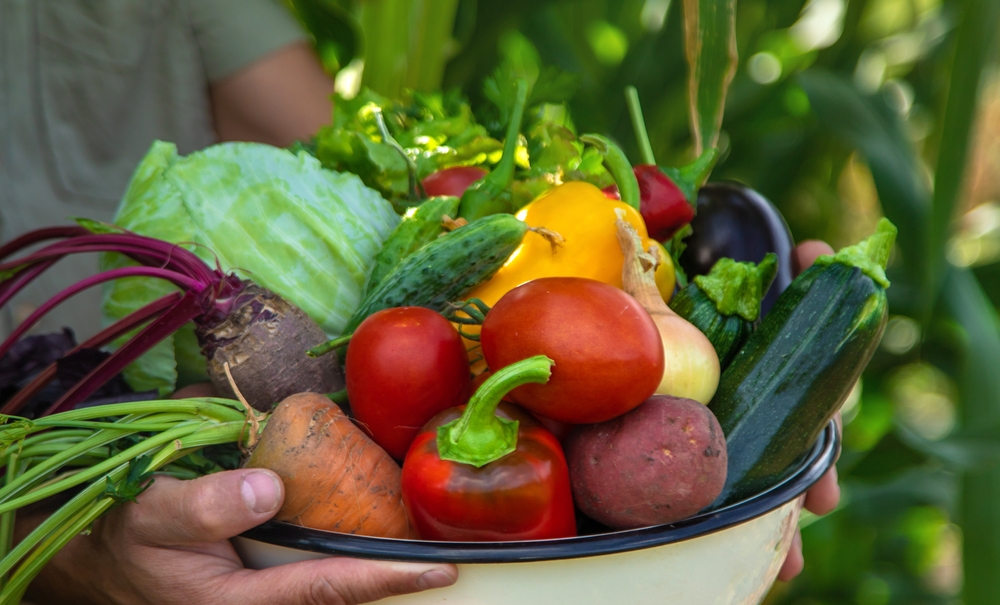
Nothing feels more satisfying than carrying a basket of freshly picked tomatoes, cucumbers, beans, or carrots into the kitchen. That colorful harvest represents weeks or even months of planning, watering, weeding, and waiting. One simple mistake after harvest, however, can shorten the life of those hard-earned vegetables.
Many gardeners reach for the sink before anything else, assuming clean produce always stays fresher. Surprisingly, that habit often does the opposite. The best storage method depends on the type of fruit or vegetable, and knowing when to wash and when to wait can keep homegrown produce crisp, flavorful, and ready to enjoy for much longer.
Why Dirt Can Actually Protect Freshly Harvested Produce
Freshly harvested vegetables carry a natural protective layer that helps slow moisture loss and shields from tiny injuries. Rinsing everything immediately removes more than dirt. Water also creates extra moisture that encourages mold, bacteria, and decay, especially during storage.
Root vegetables provide the best example. Carrots, beets, potatoes, onions, and garlic usually store better with loose soil still attached. A quick brush removes heavy clumps without stripping away that protective barrier. The refrigerator or pantry stays cleaner, and the vegetables remain firm because unnecessary moisture never gets trapped against their surfaces.
Which Garden Crops Should Stay Dirty Until Mealtime
Several popular garden vegetables reward a little patience. Potatoes should cure in a cool, dark place after harvest, and washing them before storage often speeds spoilage. Onions and garlic also need dry conditions after curing, so water works against their long-term storage goals.
Winter squash follows the same rule. Pumpkins, butternut squash, and acorn squash get tougher during curing, and dry storage helps preserve that natural armor. Carrots, parsnips, and beets also last longer after gardeners simply brush away loose soil instead of giving them a full bath. Saving the washing for cooking day usually means fresher vegetables weeks later.
Which Harvests Need a Quick Wash Right Away
Not every crop benefits from staying dusty. Leafy greens such as lettuce, spinach, kale, and Swiss chard often collect insects, grit, and bits of mulch deep between their leaves. Those vegetables wilt quickly, so many gardeners rinse them soon after harvest, dry them thoroughly with clean towels or a salad spinner, and store them in containers lined with paper towels to absorb extra moisture.
Soft fruits deserve similar care, although gentle handling matters more than vigorous washing. Berries bruise easily, and damaged fruit spoils rapidly. Many gardeners skip washing berries until serving time, but if visible dirt or insects require immediate cleaning, thorough drying becomes essential before refrigeration. Excess water sitting on delicate fruit rarely ends well.
Tomatoes, Peppers, and Cucumbers Need Their Own Rules
Tomatoes spark endless debate in kitchens everywhere. Fresh garden tomatoes taste best at room temperature, and refrigeration often dulls their texture and flavor. Unless the fruit has become extremely ripe, storing tomatoes unwashed on the counter usually delivers the richest taste.
Peppers and cucumbers appreciate a different approach. Both store well in the refrigerator without washing. Their outer layers naturally protect the flesh inside, and leaving them dry reduces the chance of soft spots developing too soon. A quick rinse right before slicing keeps preparation simple while extending freshness during storage.
Simple Storage Habits That Make Every Harvest Last Longer
Clean containers matter just as much as clean vegetables. Dirty baskets, reused produce bags, and neglected refrigerator drawers can introduce mold or bacteria that shorten storage life. Washing storage containers between harvests takes only a few minutes but pays off with noticeably fresher produce.
Good airflow also makes a remarkable difference. Crowding vegetables together traps humidity and heat, especially after a busy afternoon in the garden. A little breathing room allows excess moisture to escape instead of collecting around the produce. Regularly checking stored vegetables for soft spots or signs of decay also prevents one spoiled item from affecting everything nearby.
The Smartest Way to Handle Fresh Garden Produce
Garden harvests reward thoughtful handling just as much as careful growing. The instinct to wash everything immediately sounds logical, yet many vegetables stay fresher when gardeners leave them dry until cooking time. A gentle brushing removes enough soil for storage while preserving the natural defenses that help produce last.
The best rule remains surprisingly simple. Wash leafy greens that need immediate cleaning, keep root crops dry, store tomatoes at room temperature until fully ripe, and avoid adding unnecessary moisture before storage whenever possible. That small change can stretch a harvest from a few days to several weeks, giving every tomato, carrot, squash, and potato the best chance to reach the dinner table in excellent condition.
What storage trick has helped your garden harvest stay fresh the longest? Share your favorite tip or experience in the comments below.
You May Also Like…
8 Ways to Use Overripe Garden Produce Before It Spoils
5 Vegetables That Can Handle a Shadier Summer Corner
5 Reasons Tabletop Vegetable Gardens Work Well for Renters
Why Are More People Growing Food on Tabletops and Railings?
Why Grass Clippings Can Carry Herbicide Into Vegetable Beds

Brandon Marcus is a staff writer for FrugalGardening.com at District Media, Inc., where he delivers practical gardening advice with a relatable, no-nonsense style. An avid amateur gardener, he holds a BA degree and with over ten years of professional writing experience, he is also an award-winning published author whose first book, Questions For Deep Thinkers, was released by Adams Media. His work has appeared in major publications including Fandom.com, CHUD.com, TheColdWire.com, and Fansided.com.
Leave a Reply