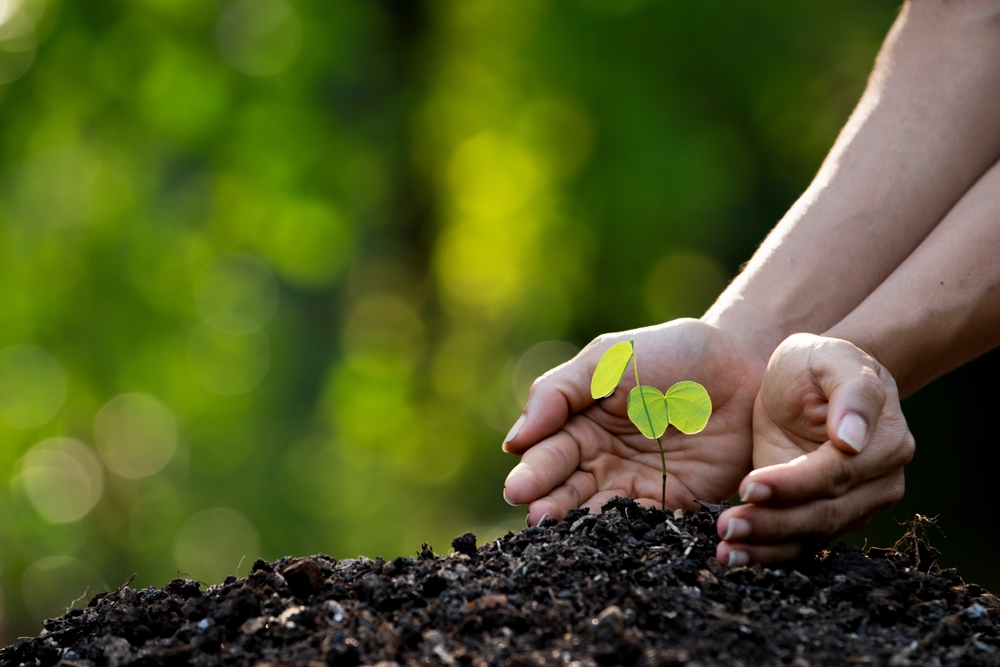
Volunteer seedlings can feel like a gardener’s little surprise package. A tomato plant that appears near the compost pile or a sunflower that pops up beside the fence may look like a gift from nature, but moving those seedlings during scorching weather requires careful timing and a gentle touch.
Hot weather does not make transplanting impossible, but it does raise the stakes. A few smart steps can help these unexpected garden guests settle into a new location without turning into wilted casualties by lunchtime.
Hot Weather Makes Transplanting More Challenging for Young Plants
Summer heat creates extra stress because young seedlings lose moisture quickly through their leaves while their roots adjust to a new spot. A volunteer seedling already faces a major change when someone digs it up and moves it, so adding intense sunlight and dry soil can make recovery harder. Gardeners often notice this struggle when a tiny tomato plant looks perfect in the morning but droops dramatically after an afternoon move. The plant did not suddenly become weak; it simply lost the comfort of the soil environment that supported it.
The best time to transplant volunteer seedlings during hot weather comes early in the morning or near sunset when temperatures drop and sunlight feels less aggressive. Avoid moving plants during the hottest part of the day because their leaves work overtime trying to release moisture. Water the seedling thoroughly before digging so the roots hold onto damp soil during the move. A slightly cloudy day also gives a transplant a helpful advantage because softer light reduces stress. Even a tough little volunteer appreciates a gentler moving day.
Choosing Which Volunteer Seedlings Deserve a New Home
Not every surprise plant deserves a spot in the garden, and choosing wisely saves time and effort. A volunteer tomato growing beside a healthy vegetable bed may become a productive plant, while a mystery sprout surrounded by weeds may create more confusion than excitement. Look at the leaves, growth pattern, and location before grabbing a shovel. Many young weeds can mimic garden plants during their earliest stages, which makes identification an important first step.
Healthy volunteer seedlings usually show sturdy stems, vibrant leaves, and signs of steady growth before transplanting. A seedling that already struggles with yellow leaves, insect damage, or weak growth may not handle the move well during hot weather. Plants with deeper root systems often recover better than extremely tiny sprouts, so waiting until a seedling develops a few sets of true leaves can help. Gardeners should also consider the plant’s final size because a cute little volunteer pumpkin can eventually become a sprawling garden takeover.
The Right Way to Move a Volunteer Seedling in Summer
Successful summer transplanting starts with preparation rather than speed. Dig the new planting hole first so the seedling spends less time sitting above ground with exposed roots. Add water to the hole before placing the plant inside, then gently settle the roots into the soil without squeezing or bending them. Keep as much original soil around the roots as possible because that small soil bundle protects delicate root hairs. Those tiny roots handle much of the work involved in helping the plant adjust.
After transplanting, water deeply and check the seedling often during the first several days. A layer of mulch around the plant can help hold moisture and keep soil temperatures more stable, but keep mulch away from the stem to reduce the risk of rot. Temporary shade from a garden umbrella, row cover, or nearby taller plant can give a newly moved seedling a break from harsh afternoon sun. Remove any damaged leaves if needed, but avoid heavy pruning because the plant needs those leaves to produce energy. With patience and proper care, many volunteer plants recover and continue growing.
Give Surprise Garden Guests Their Best Chance
Volunteer seedlings bring a little adventure into gardening because they remind gardeners that plants often find creative ways to appear. Moving them during hot weather requires more attention, but the process does not need to feel intimidating. The biggest mistakes usually come from rushing the job, ignoring soil moisture, or choosing the wrong time of day. A careful gardener treats a volunteer seedling like a young transplant that needs a calm introduction to its new surroundings. That simple approach can turn an accidental sprout into one of the garden’s most rewarding plants.
The decision to transplant depends on the plant, the weather, and the gardener’s willingness to provide extra care during the adjustment period. A volunteer seedling that receives a thoughtful move can reward the effort with flowers, vegetables, or a burst of unexpected color. Hot weather simply changes the strategy rather than ending the opportunity. Morning moves, careful watering, and gentle handling create the best conditions for success. Sometimes the plants that arrive without an invitation become the garden favorites.
Would you transplant a volunteer seedling during hot weather, or would you leave it where nature planted it? Share your gardening experience in the comments.
You May Also Like…
SNAP Benefits Can Buy Seeds—How Families Can Turn Food Assistance Into Fresh Produce
The Milk Jug Greenhouse: The Easiest Way to Protect Your Seedlings for Free
When to Thin Seedlings for Maximum Growth
Skip the Transplants: These Warm-Weather Veggies Excel When Direct-Sown Now
7 Quick-Germinating Seeds That Deliver Fast Results

Brandon Marcus is a staff writer for FrugalGardening.com at District Media, Inc., where he delivers practical gardening advice with a relatable, no-nonsense style. An avid amateur gardener, he holds a BA degree and with over ten years of professional writing experience, he is also an award-winning published author whose first book, Questions For Deep Thinkers, was released by Adams Media. His work has appeared in major publications including Fandom.com, CHUD.com, TheColdWire.com, and Fansided.com.
Leave a Reply