Gardening often conjures visions of expensive tools, fancy soil blends, and complicated gadgets—but you can grow an impressive garden without spending a fortune. In fact, some of the most unexpectedly useful gardening items are hiding in plain sight at your local dollar store.
From clever containers to practical tools, these budget-friendly finds don’t just look like they might work—they genuinely do. They can save time, reduce waste, and even add a little quirkiness to your outdoor or indoor space.
If you’ve ever thought gardening had to be pricey or complicated, these items might just flip your perspective completely. Grab a basket, wander down those dollar-store aisles, and let’s explore ten items that are surprisingly useful for cultivating your green thumb.
1. Plastic Storage Bins For Mini Greenhouses
Plastic storage bins aren’t just for organizing old socks or craft supplies. They make excellent mini greenhouses for seedlings or sensitive plants. Simply place a small tray of soil and seeds inside the bin, cover it, and watch as the humidity and warmth help your seeds sprout faster.
The clear plastic allows sunlight to reach the plants while keeping moisture trapped, essentially creating a tiny climate-controlled environment. You can even remove the lid partially for ventilation as your seedlings grow, mimicking a real greenhouse.
Using a dollar-store bin this way can save money and space while giving you the joy of nurturing tiny sprouts into healthy plants. It’s an easy, practical, and surprisingly effective hack.
2. Plastic Squeeze Bottles For Targeted Watering
Those empty condiment squeeze bottles you’ve seen in the kitchen aisle aren’t just for ketchup or mustard—they’re perfect for precise watering. Seedlings and delicate indoor plants often need gentle, targeted hydration, and a controlled stream from a squeeze bottle can prevent soil from washing away.
You can also use them to apply liquid fertilizers in small doses, reducing waste and overfeeding. The narrow tip makes it easy to reach tight spaces in crowded pots, and the bottles are reusable and easy to clean.
Gardening with a squeeze bottle feels a bit like conducting a miniature irrigation experiment, but one that actually boosts plant health and survival rates.
3. Egg Cartons For Seed Starters
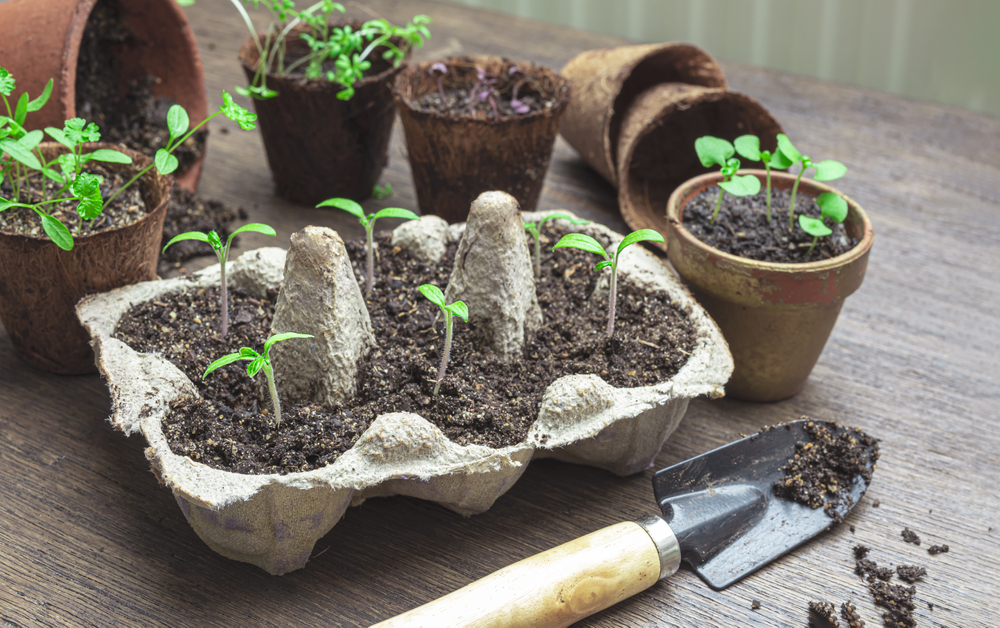
Egg cartons are old-school, but for good reason—they’re ideal for starting seeds. Each compartment is the perfect size for a small amount of soil and a single seed. The cartons also make it easy to label and move seedlings around. When the sprouts are ready for transplanting, the individual sections can be cut apart, reducing root disturbance.
Biodegradable cartons can even be planted directly into the ground, giving your young plants a smooth transition. It’s a low-cost, eco-friendly alternative to plastic seed trays that still gives excellent results.
The added charm of repurposing something familiar makes it all the more enjoyable to watch your garden grow from tiny beginnings.
4. Twine For Plant Support
Twine might seem unassuming, but it’s a hero when it comes to supporting climbing plants, tomatoes, or sprawling vines. Use it to create makeshift trellises or tie plants gently to stakes. Unlike wire or plastic ties, twine is gentle on stems and flexible as plants grow.
You can also weave it into grid patterns to guide plants without restricting natural growth. It’s durable, affordable, and offers an organic look that blends well with the garden aesthetic.
Plus, twine can have multiple lives: training plants in spring and summer, then serving other purposes like bundling herbs or marking rows in your garden in the fall.
5. Spray Bottles For Humidity And Pest Control
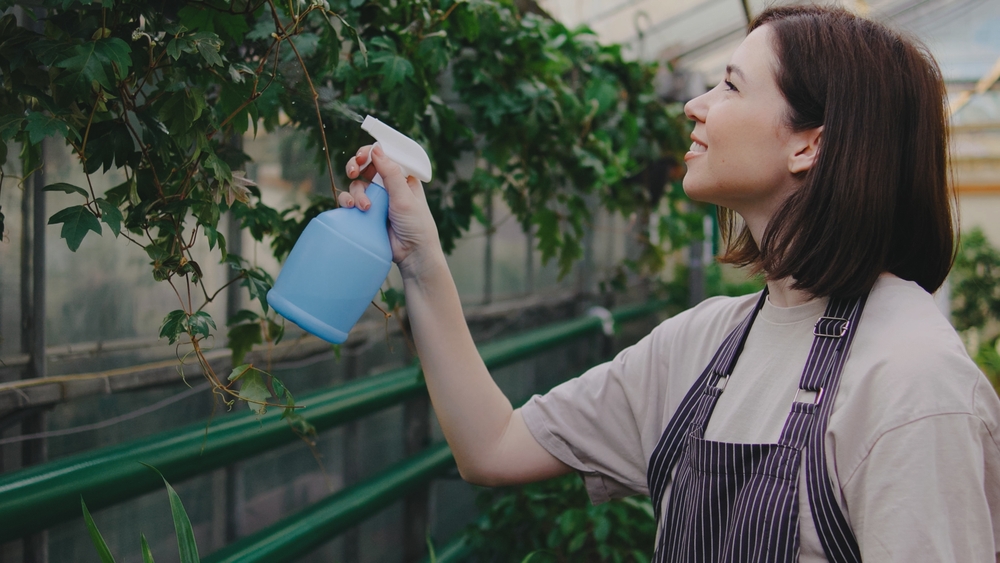
Dollar-store spray bottles aren’t just for cleaning—they’re fantastic for misting houseplants, seedlings, or garden vegetables. Plants that love humidity, such as ferns and orchids, respond beautifully to daily light misting.
You can also use these bottles to apply homemade organic pest deterrents, such as diluted neem oil or garlic spray. Adjustable nozzles give you control over the spray pattern, whether you need a gentle mist or a more focused stream.
Keeping a spray bottle handy ensures your plants stay hydrated, pest-free, and looking lush without complicated equipment. It’s a simple item with a surprisingly wide range of applications.
6. Plastic Cups For Seedling Protection
Those inexpensive plastic drinking cups have a hidden talent in the garden. Cut the bottom off or leave them intact, and you can use them to protect small seedlings from wind, heavy rain, or hungry critters. They work well as cloches over individual plants, creating a mini shield while still letting light through.
They’re perfect for outdoor raised beds or even balcony gardens. The cups are light, easy to reposition, and reusable from season to season. This DIY approach allows gardeners to be resourceful while keeping costs low, and it adds an element of playful ingenuity to tending your plants.
7. Kitchen Sponges For Moisture Retention
Yes, ordinary kitchen sponges can help your garden thrive. Place a few at the bottom of pots to improve water retention and prevent soil from draining too quickly. Sponges absorb moisture and slowly release it to plant roots, keeping soil consistently hydrated.
This is especially useful for container gardening, where pots can dry out faster than garden beds. You can even cut sponges to size for small planters, making them a customizable and practical solution. It’s a clever hack that combines upcycling with real gardening benefits, saving water while promoting healthy growth.
8. Plastic Tongs For Delicate Harvesting
Plastic kitchen tongs aren’t just for salads—they make harvesting delicate herbs, leafy greens, or small vegetables much easier. The controlled grip reduces the risk of crushing fragile leaves, and they’re especially handy for reaching into dense foliage.
They also double as handy tools for turning soil gently or moving small pots. Unlike scissors, tongs give you a bit more leverage and control, making precision tasks less stressful. Their lightweight design and affordability make them a practical addition to your gardening toolkit.
9. Muffin Tins For Herb Organization
Muffin tins are surprisingly versatile in the garden. Each cup can hold soil and a small herb cutting, helping you start multiple varieties in one convenient tray. The individual compartments prevent roots from tangling and make transplanting simpler.
You can also use muffin tins to organize small amounts of fertilizer, seeds, or decorative stones for potted plants. Their sturdy metal or silicone construction ensures durability and reusability across seasons. It’s an organized, efficient way to experiment with new plants without cluttering your workspace.
10. Ice Cube Trays For Seedling Storage
Finally, ice cube trays are perfect for tiny seedlings, succulents, microgreens, or cuttings that need individual compartments to flourish. Each cell provides a contained space for soil, allowing you to carefully monitor watering and growth.
When the time comes to transplant, seedlings can be gently removed with minimal disturbance. Ice cube trays are inexpensive, stackable, and easy to label, making them ideal for anyone experimenting with multiple plant varieties at once. It’s a simple solution that highlights how everyday items can transform into powerful gardening allies.
Thoughts And Stories From Your Garden
Gardening doesn’t have to break the bank or require fancy tools. With a little creativity, dollar-store items can become practical, effective, and even charming additions to your garden.
Have you tried any unconventional gardening hacks that worked surprisingly well? Or maybe one of these items has inspired a new approach to your planting routine. Leave your thoughts, experiences, or favorite hacks in the comments below.
You May Also Like…
7 Cheap Covers That Protect Plants Better Than Frost Cloth
Is DIY Seed Starting Cheaper Than Buying Starter Plants?
7 Vegetables That Are Cheaper to Start From Seed in January
10 Of The Best Places To Buy Cheap Gardening Supplies
8 Flowers That Grow Well From Cheap Seed Packs

Brandon Marcus is a staff writer for FrugalGardening.com at District Media, Inc., where he delivers practical gardening advice with a relatable, no-nonsense style. An avid amateur gardener, he holds a BA degree and with over ten years of professional writing experience, he is also an award-winning published author whose first book, Questions For Deep Thinkers, was released by Adams Media. His work has appeared in major publications including Fandom.com, CHUD.com, TheColdWire.com, and Fansided.com.
Leave a Reply