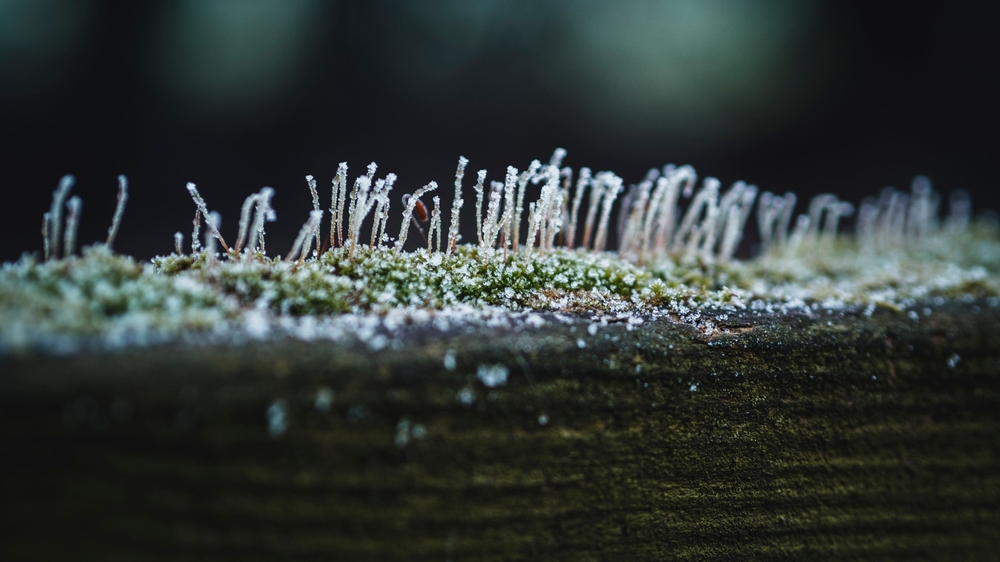
Winter gardening in January can feel like wrestling with nature itself. Frosted leaves, drooping stems, and icy soil can make even the most seasoned gardeners question their life choices. But winter doesn’t have to be a barren, joyless stretch of gray.
With a little insight, some corrective action, and a sense of humor, you can revive your struggling plants and restore life to your garden even when the season seems unrelenting. Let’s dive into seven common winter gardening mistakes and how to undo them before it’s too late.
1. Neglecting Soil Health During The Cold Months
It’s easy to assume that winter is a “resting” period for your garden, but soil never truly sleeps. Failing to pay attention to soil structure and nutrient levels now can leave you scrambling in spring. Compacted soil restricts water drainage and root growth, while depleted nutrients make plants more vulnerable to disease and stress.
Undoing this mistake involves gentle cultivation—carefully loosening the soil without damaging root systems—and adding organic matter like compost or well-rotted manure.
Mulching can also protect soil from freeze-thaw cycles, preventing cracks and erosion. Even a light dusting of slow-release fertilizer can give your garden a much-needed winter boost. Treat your soil like a cozy winter blanket for your plants; the effort now pays off later with lush, vibrant growth.
2. Overwatering Or Underwatering Without Realizing It
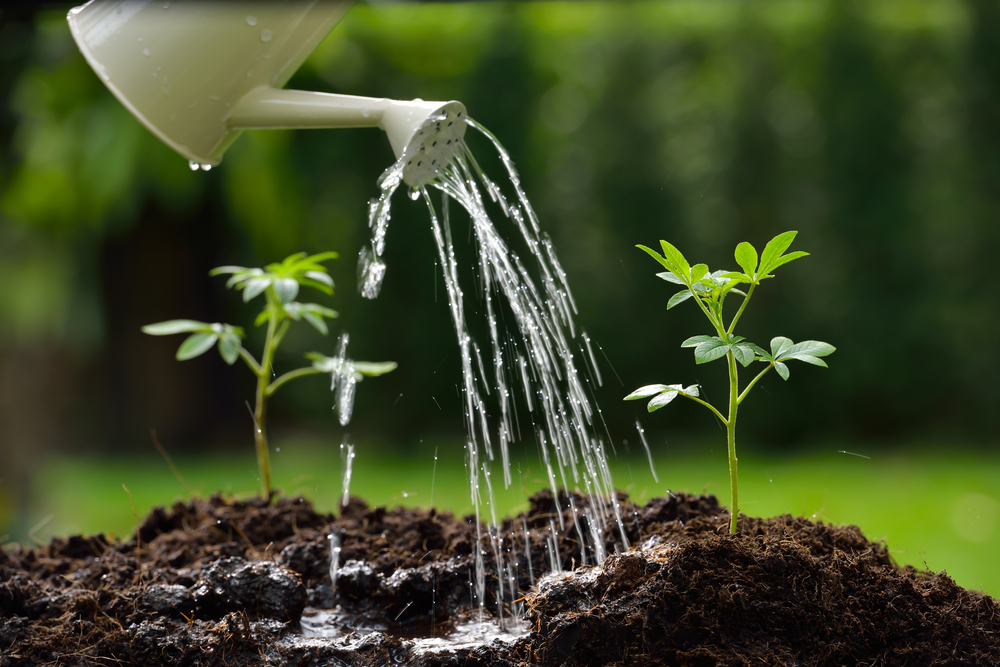
Winter watering is a delicate balance that many gardeners overlook. Too much water encourages root rot, while too little can leave plants parched and weak.
Cold soil slows evaporation, so your usual watering routine might suddenly become excessive. The solution is simple but requires observation: check the soil moisture before you water.
Stick a finger an inch or two into the soil—if it’s dry, add water; if it’s damp, hold off. Consider using a moisture meter for larger or more sensitive plants. Grouping plants with similar water needs can also make winter hydration easier to manage. When done right, careful watering keeps plants alive and healthy without creating soggy chaos.
3. Ignoring Frost Damage Until It’s Too Late
Frost can be sneaky, slowly dehydrating leaves and stems even without snow. If you notice drooping or blackened foliage, it may be frost damage setting in unnoticed.
To reverse the effects, trim damaged leaves carefully and avoid over-fertilizing immediately, which can stress the plant further. Covering sensitive plants with frost cloths or even a light blanket during cold nights can prevent additional injury.
Container plants may need to be moved indoors or to sheltered locations. Recognizing frost stress early and acting promptly allows plants to recover fully, rather than leaving them permanently scarred or weakened.
4. Forgetting To Prune Dead Or Damaged Branches
Pruning might seem like a spring activity, but doing it too late—or not at all—can hinder winter plant health. Dead or damaged branches can sap energy from the rest of the plant, making it more susceptible to pests and disease.
Use clean, sharp tools to remove these sections, cutting back to healthy tissue. Avoid heavy pruning in extremely cold weather, as plants are more vulnerable to frost cracks.
Focus on structure and airflow, which helps reduce fungal issues during damp winter months. Pruning properly now sets the stage for vigorous growth when the warmer months return.
5. Overlooking Light Requirements Indoors And Out
Short winter days mean plants struggle to get the sunlight they need, and many gardeners fail to adjust accordingly. Houseplants may stretch or yellow from insufficient light, while outdoor plants can become weak and leggy.
Moving containers closer to windows, supplementing with grow lights, or strategically relocating outdoor pots can make a big difference. Reflective surfaces can also bounce light onto darker corners.
Don’t underestimate how even a small increase in light can reinvigorate sluggish plants. Observing your plants’ posture and leaf color provides vital clues for adjusting their light intake.
6. Ignoring Pest And Disease Issues Because It’s Cold
Just because it’s winter doesn’t mean pests and diseases vanish. Spider mites, aphids, and fungal infections can all thrive indoors or under garden cover.
Ignoring early signs can lead to serious infestations that are harder to treat in spring. Carefully inspect leaves, stems, and soil, removing affected parts and using gentle treatments like neem oil or insecticidal soap when necessary.
Proper sanitation, such as cleaning fallen leaves and debris, prevents fungal growth. Preventive measures taken now make spring gardening less stressful and more productive. Vigilance is key; even dormant pests can make a dramatic comeback if given the chance.
7. Planting At The Wrong Time Or In The Wrong Place
Late winter planting mistakes can set back your entire garden plan. Cold-sensitive seeds sown too early may rot, while frost-hardy varieties may be placed in overly shaded areas.
To undo this, check plant hardiness zones and soil temperatures before planting. Containers should be insulated and, if necessary, relocated for optimal warmth and sunlight.
For garden beds, adding protective covers or cloches can extend planting windows safely. Even moving a plant a few feet to catch more sun or shelter from wind can dramatically improve survival rates. Thoughtful timing and placement now ensures a smoother, healthier spring.
Revive Your Winter Garden With Confidence
Winter gardening can feel daunting, but the truth is that most setbacks are reversible. By attending to soil health, watering wisely, managing frost, pruning, optimizing light, monitoring pests, and planting carefully, you can transform your garden from sluggish to spectacular.
Gardening is as much about observation as it is about action, and even small adjustments now can yield significant rewards.
We’d love to hear how your winter garden is faring, any lessons you’ve learned, or clever tricks you’ve used to revive struggling plants. Leave your thoughts and experiences in the comments below and let’s keep the winter garden conversation growing.
You May Also Like…
10 Winter Garden Tasks That Save You Hours in March
7 Things You Should Never Compost in Winter—Even If You Do in Summer
This One Winter Gardening Habit Could Be Spreading Invasive Pests Across the South
This One Winter Gardening Habit Could Be Attracting Rats—Here’s How to Fix It Fast
This Common Winter Weed Is Spreading Fast in Georgia—Here’s How to Stop It Naturally

Brandon Marcus is a staff writer for FrugalGardening.com at District Media, Inc., where he delivers practical gardening advice with a relatable, no-nonsense style. An avid amateur gardener, he holds a BA degree and with over ten years of professional writing experience, he is also an award-winning published author whose first book, Questions For Deep Thinkers, was released by Adams Media. His work has appeared in major publications including Fandom.com, CHUD.com, TheColdWire.com, and Fansided.com.
Leave a Reply