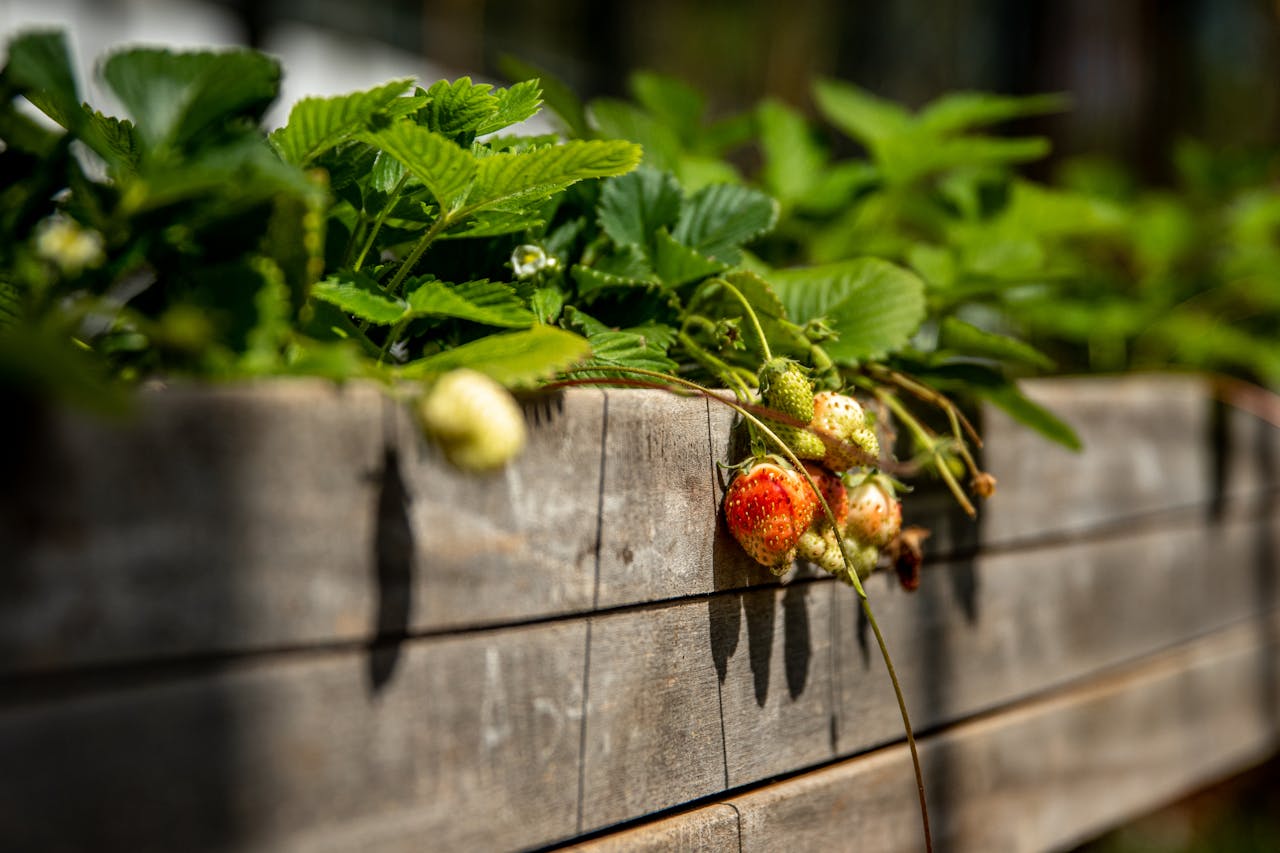
A productive garden does not require a luxury budget. It demands resourcefulness, solid planning, and the right tools in capable hands. Raised beds continue to dominate backyard design in 2026 because they offer control over soil quality, better drainage, fewer weeds, and easier access for planting and harvesting. Prices for lumber and landscaping materials still fluctuate, so smart gardeners look beyond the big-box aisle and start thinking creatively.
With the right approach, raised beds can take shape from reclaimed wood, concrete blocks, metal panels, or even compacted soil, all while staying affordable and practical.
Reclaimed Wood: Character, Savings, and a Little Grit
Reclaimed lumber stands as one of the most affordable ways to build raised beds without sacrificing durability. Old fence boards, pallets stamped with heat-treated markings, and leftover deck planks often cost little or nothing through community marketplaces or renovation sites. When selecting wood, gardeners need to avoid chemically treated boards and focus on untreated, heat-treated, or naturally rot-resistant species like cedar if they appear at a discount.
A circular saw, drill, measuring tape, and level form the core toolkit for this project. These tools allow precise cuts, tight joints, and square corners, which keep soil from pushing boards out of alignment. A power drill in particular becomes essential in gardening projects because it drives corrosion-resistant screws quickly and holds everything firm against moisture and seasonal shifts. When gardeners assemble reclaimed boards into a simple rectangular frame and anchor the corners with wooden stakes, they create a sturdy bed that supports vegetables, herbs, and flowers for several seasons.
Before filling the bed, lining the bottom with cardboard suppresses weeds and attracts earthworms as it breaks down. That single step transforms scrap lumber into a productive growing system that drains well and encourages healthy root growth. Reclaimed wood adds visual character, saves money, and reduces waste in one smart move.
Concrete Blocks: Strength That Lasts for Decades
Concrete blocks might not sound glamorous, yet they offer unmatched durability and flexibility for budget-conscious gardeners. Standard cinder blocks stack easily without mortar, which means anyone can build a raised bed in an afternoon without specialized masonry skills. Hardware stores and salvage yards often sell surplus blocks at reduced prices, especially when construction projects end with extras.
A rubber mallet, level, and shovel handle most of the heavy lifting in this build. The shovel helps level the ground before stacking, and the level ensures that each layer sits evenly so the bed does not shift once filled with soil. Concrete blocks also double as mini planting pockets because their hollow cores hold soil and small herbs like thyme or chives. That design maximizes growing space without increasing the footprint.
Gardeners who worry about appearance can paint exterior-grade masonry paint on the blocks or let climbing plants soften the edges over time. Unlike wood, concrete does not rot, warp, or attract insects. For long-term value on a tight budget, few materials compete with a stack of well-placed blocks and a weekend of focused effort.
Corrugated Metal and Wood Frames: Modern Style on a Budget
Corrugated metal panels paired with simple wooden frames have surged in popularity, and for good reason. Farm supply stores sell metal roofing panels at reasonable prices, and leftover sheets from agricultural projects often cost even less. When gardeners secure these panels to a wooden frame, they create a raised bed that resists rot and adds a sleek, modern edge to the yard.
Tin snips, a drill, and work gloves play a crucial role in this build. Tin snips allow clean cuts through metal panels, and a drill fastens them securely to corner posts. Gloves protect hands from sharp edges, which keeps the project safe and efficient. This combination of tools shows how basic equipment can handle both woodworking and metalwork in a gardening context.
Metal reflects heat, so lining the interior with landscape fabric or cardboard prevents direct soil contact with the metal and moderates temperature swings. That extra layer protects plant roots during intense summer heat. The finished bed offers deep soil capacity for tomatoes, peppers, and root crops, all while maintaining a polished look that rivals far more expensive kits.
No-Wood Options: Soil Mounds and Wattle Beds
Not every raised bed needs lumber or blocks. Gardeners who want the lowest possible cost can shape soil into mounded rows or construct wattle beds using flexible branches. A shovel, rake, and garden hoe become the primary tools in this approach, and each tool plays a specific role in shaping and maintaining the bed.
A shovel lifts and piles soil into long, defined mounds that improve drainage and warm faster in spring. A rake smooths the surface and removes rocks, creating a fine seedbed for direct sowing. A hoe maintains clean edges and controls weeds throughout the season. These tools serve everyday gardening tasks beyond bed building, which increases their value and reduces the need for specialty equipment.
Wattle beds use woven branches between upright stakes to form low retaining walls. Pruned tree limbs or flexible willow branches work well for weaving. This technique costs little when materials come from yard waste and seasonal pruning. Wattle beds bring rustic charm while holding soil in place effectively for shallow-rooted crops like lettuce and spinach.
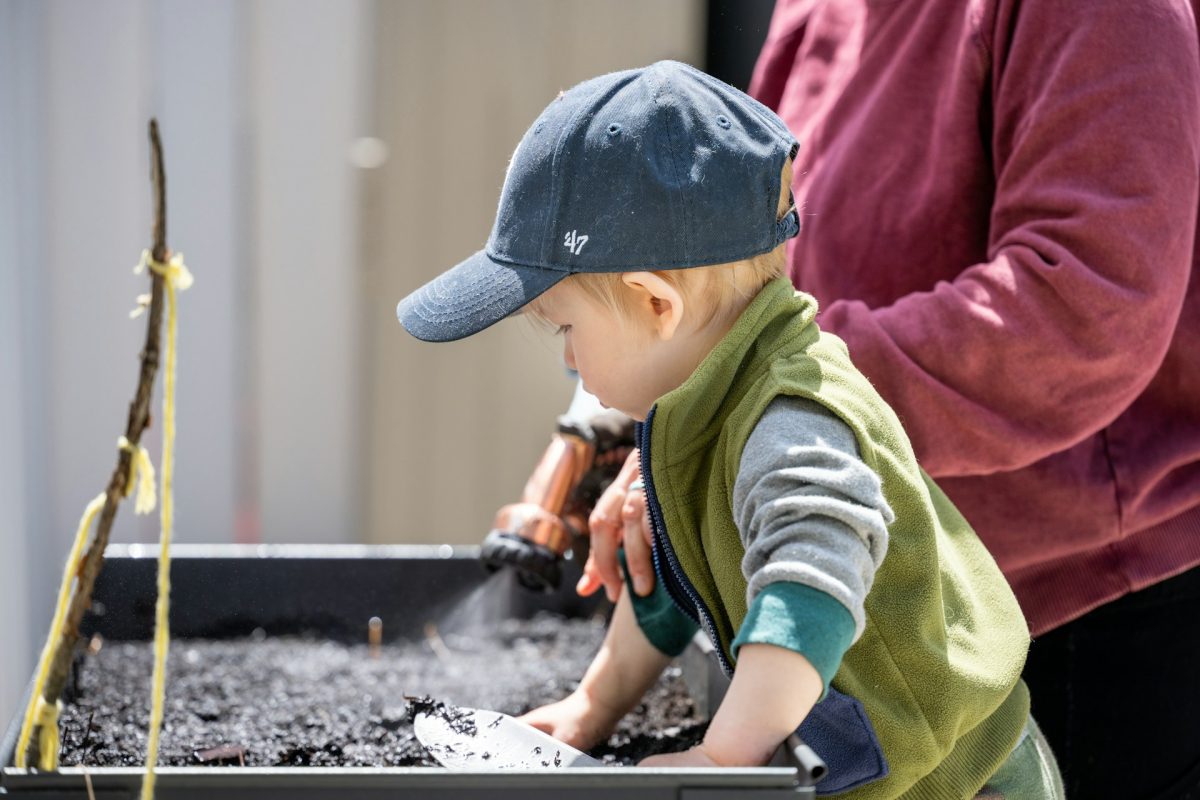
Repurposed Materials: Think Beyond the Garden Aisle
Creative gardeners look beyond traditional materials and spot potential everywhere. Old stock tanks, large plastic barrels cut in half, and even sturdy dresser drawers can transform into raised beds with proper drainage holes. Local listings and community swap groups often feature these items at low prices or for free.
A drill once again proves indispensable because it creates drainage holes that prevent waterlogged soil. Proper drainage protects plant roots from rot and keeps soil structure intact. A jigsaw or reciprocating saw helps cut barrels safely, expanding container size without purchasing expensive planters. These tools serve multiple garden functions, from building trellises to repairing fences, which makes them worthwhile investments.
When using repurposed containers, gardeners need to confirm that previous contents did not include harmful chemicals. Food-grade materials offer the safest option for growing edibles. With careful selection and a bit of elbow grease, unexpected objects can deliver productive harvests while keeping costs low.
Smart Soil Strategies: Save Money Where It Matters Most
Even the most affordable raised bed fails without quality soil, and soil often costs more than the frame itself. Smart gardeners cut expenses by blending bulk topsoil with homemade compost rather than buying dozens of pre-bagged mixes. Compost enriches soil with organic matter, improves structure, and supports beneficial microbes that feed plant roots.
A sturdy wheelbarrow, shovel, and garden fork make soil blending efficient. The wheelbarrow transports materials easily across the yard, the shovel measures and mixes, and the fork breaks up clumps while incorporating compost evenly. These tools handle nearly every stage of gardening, from turning compost piles to harvesting root vegetables.
Sheet mulching with cardboard and organic matter inside the bed reduces the total volume of soil needed. Over time, the layers break down and improve fertility from within. That approach lowers upfront costs and builds healthier soil year after year, which means fewer inputs down the road.
Build It Once, Grow for Years
Low-cost raised beds in 2026 demand creativity more than cash. Reclaimed lumber, concrete blocks, metal panels, woven branches, and repurposed containers all offer practical paths to productive growing space. A small set of reliable tools such as a drill, shovel, rake, level, and saw empowers gardeners to shape materials into something durable and functional.
Raised beds reward that effort with better drainage, easier weed control, and soil that stays exactly where it belongs. They invite experimentation with vegetables, herbs, and flowers while keeping maintenance manageable. Smart material choices, thoughtful soil planning, and steady hands on simple tools turn modest budgets into thriving gardens.
Which of these budget-friendly raised bed ideas feels like the right fit for your next growing season? Time to talk about it in the comments section below.
You May Also Like…
The $5 Tool That’s Breaking and Ruining Raised Beds Across the South
Gardeners Warned: This Common Winter Cleanup Habit Is Spreading Fungal Disease in Raised Beds
Why Your Raised Beds Might Be Harboring Pests Right Now—Even in Freezing Temps
9 Raised Bed Fixes That Stop Soil From Turning to Soup
Why Gardeners in Texas Are Losing Entire Beds to This Soil-Borne Fungus

Brandon Marcus is a staff writer for FrugalGardening.com at District Media, Inc., where he delivers practical gardening advice with a relatable, no-nonsense style. An avid amateur gardener, he holds a BA degree and with over ten years of professional writing experience, he is also an award-winning published author whose first book, Questions For Deep Thinkers, was released by Adams Media. His work has appeared in major publications including Fandom.com, CHUD.com, TheColdWire.com, and Fansided.com.
Leave a Reply