Spring harvests don’t happen by accident. They’re planned, plotted, and quietly started weeks before the soil outside is ready. While winter is still dragging its heels, gardeners who know the secret are already potting up trays, watching green shoots stretch toward the light.
Starting certain seeds early gives plants a head start that translates into stronger roots, heavier yields, and harvests that arrive right on time. If you want a garden that looks impressive and produces like a champ, this is where the magic begins.
1. Tomatoes That Refuse To Be Rushed
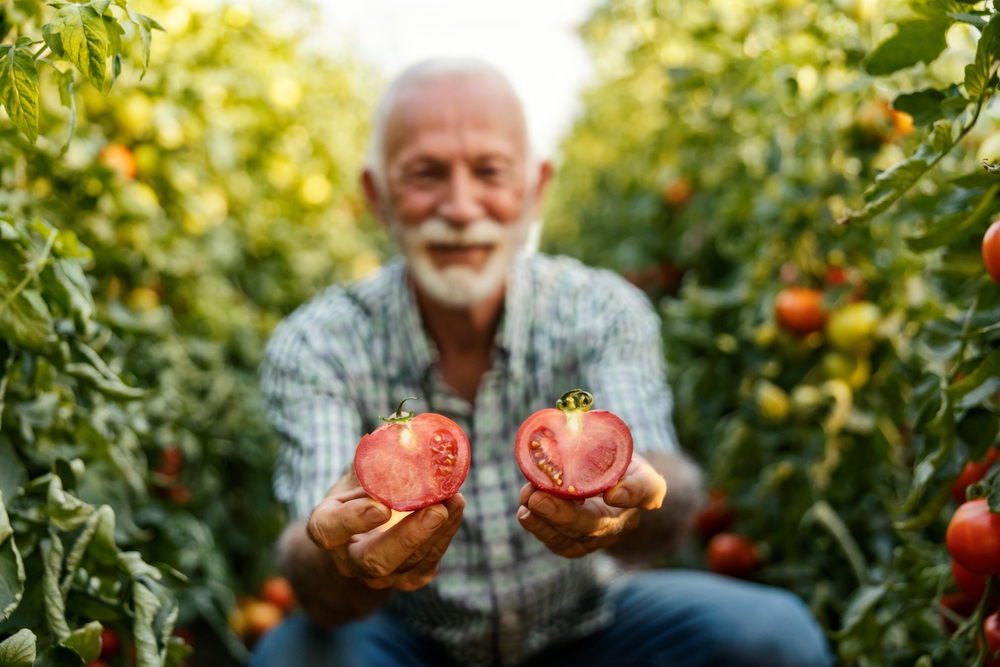
Tomatoes are famously slow starters, which makes early planting essential for big yields. Most varieties need six to eight weeks indoors before heading outside. That early time allows them to build sturdy stems and deep root systems. Weak, rushed seedlings often struggle once they are transplanted. However, early-started tomatoes flower sooner, set fruit earlier, and produce longer through the season.
From cherry types to hefty slicers, all kinds of tomatoes benefit from an early indoor start.
2. Peppers That Love A Long Warm-Up
Peppers take their sweet time growing, even under perfect conditions. Starting them early gives them the warmth and consistency they crave. Seedlings grow slowly at first, focusing on roots rather than height. That patience pays off with compact, productive plants later. Early-started peppers tend to produce more fruit over the season. This applies to sweet bell peppers and fiery hot varieties alike.
3. Eggplants Built For Big Yields
Eggplants are heat lovers with a long growing season. Without an early start, they often fail to reach full potential. Indoor seed starting gives them a stable environment while they develop. By the time warm weather arrives, they’re ready to explode with growth. Early-started eggplants flower sooner and set fruit faster. The result is larger plants with better production before fall cools things down.
4. Broccoli That Doesn’t Bolt Too Fast
Broccoli prefers cool weather, but it still benefits from an early start. Starting seeds indoors allows precise timing for spring transplanting. Young plants handle cool outdoor temperatures better than tiny seedlings. Early planting encourages tight, well-formed heads before summer heat arrives. Broccoli started too late often bolts prematurely. A head start keeps growth steady and predictable.
5. Cabbage With Serious Staying Power
Cabbage thrives when it grows steadily without stress. Early indoor starts help maintain that consistency. Seedlings develop strong root systems before facing outdoor conditions.
All of this leads to dense, heavy heads instead of loose leaves. Early cabbage also matures before pests become overwhelming. Whether green, red, or savoy, cabbage rewards early planners.
6. Onions That Bulk Up Properly
Onions need time to size up, and that clock starts early. Seed-grown onions especially benefit from indoor sowing. Early starts allow plants to develop before daylight length triggers bulb formation. The longer the leafy growth phase, the bigger the bulb. Strong early growth also improves storage quality. Gardeners who are chasing giant onions never skip this step.
7. Leeks With Thick, Tender Stalks
Leeks are slow, steady growers that demand patience. Starting them early ensures they reach full size before summer heat. Indoor sowing gives you control over spacing and growth. Early-started leeks transplant easily and adapt well. Longer growing time produces thicker white stalks. The flavor improves with consistent early development.
8. Celery That Isn’t Stringy
Celery has a reputation for being finicky, and timing is why. Seeds are tiny and slow to germinate. Early indoor starts allow careful monitoring during those critical first weeks. Strong seedlings handle outdoor transitions better. Proper early growth reduces bitterness and stringiness. The payoff is crisp, flavorful stalks.
9. Kale Ready Before The Heat Hits
Kale grows fast, but early starts still matter. Indoor sowing allows precise planting into cool spring soil. Young plants establish quickly without stress. Early kale avoids heat that can affect flavor. Strong starts produce fuller plants with more leaves. Harvests begin earlier and last longer.
10. Lettuce That Beats The Rush
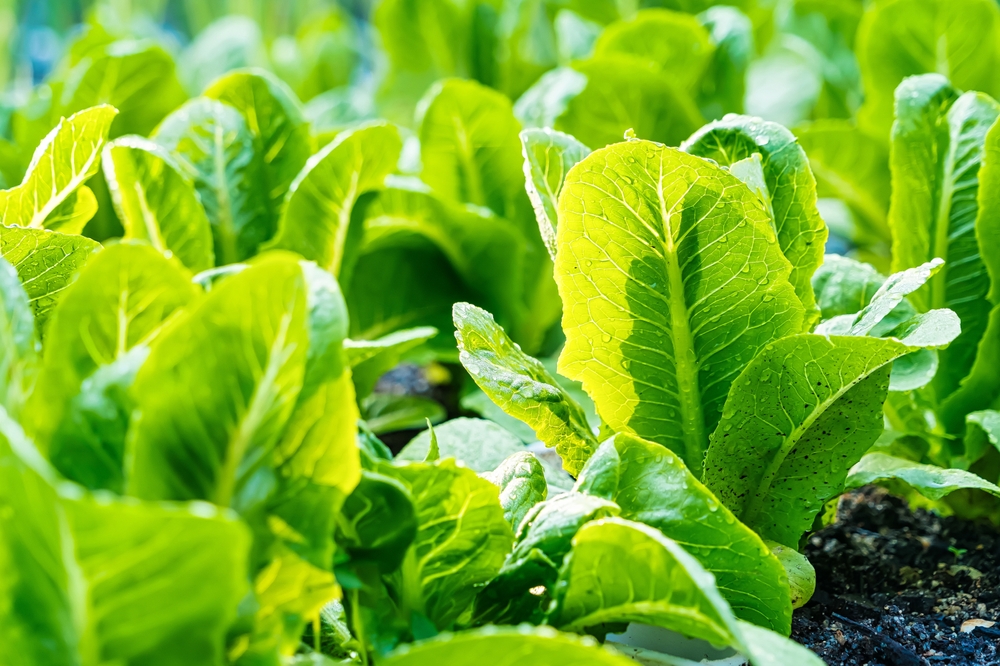
Lettuce loves cool conditions but grows best when established early. Indoor starts let you plant out sturdy seedlings right on schedule. Early growth leads to fuller heads or leafier bunches. Late-started lettuce often bolts quickly. Early planting maximizes harvest before temperatures rise. In short, it’s a simple way to extend the season.
11. Herbs That Hit Their Stride Sooner
Many herbs benefit from an early start, especially slow growers. Parsley, thyme, and oregano take time to establish. Indoor sowing helps them build roots before transplanting. Early herbs grow bushier and recover faster from harvest. Starting early also means earlier flavor. A well-timed herb garden keeps producing all season.
12. Strawberries From Seed With A Head Start
Strawberries grown from seed require patience and planning. Early starts are essential for first-year success. Seedlings need time to develop crowns and roots. Early planting increases the chance of blooms later in the season. Strong early growth sets up future harvests. It’s a long game that begins indoors.
Start Early, Harvest Proud
Starting seeds early isn’t about being impatient. It’s about working with each plant’s natural rhythm. When you give crops the time they need, they reward you generously. Strong starts lead to healthier plants and more impressive harvests.
If you’ve tried early seed starting or learned lessons the hard way, we’d love to hear your experiences in the comments below.
You May Also Like…
Gardeners Are Switching to Heirloom Seeds to Save Money
Is Starting Seeds Indoors in Winter Really Worth the Cost?
Extension Agents Say This One Winter Habit Is Ruining Your Spring Garden
The $3 Soil Test That Could Save Your Spring Garden—And It’s Not Sold at Big Box Stores
5 Plants That Could Be Illegal to Grow in Your Backyard This Spring—Check Your State List

Brandon Marcus is a staff writer for FrugalGardening.com at District Media, Inc., where he delivers practical gardening advice with a relatable, no-nonsense style. An avid amateur gardener, he holds a BA degree and with over ten years of professional writing experience, he is also an award-winning published author whose first book, Questions For Deep Thinkers, was released by Adams Media. His work has appeared in major publications including Fandom.com, CHUD.com, TheColdWire.com, and Fansided.com.
Leave a Reply