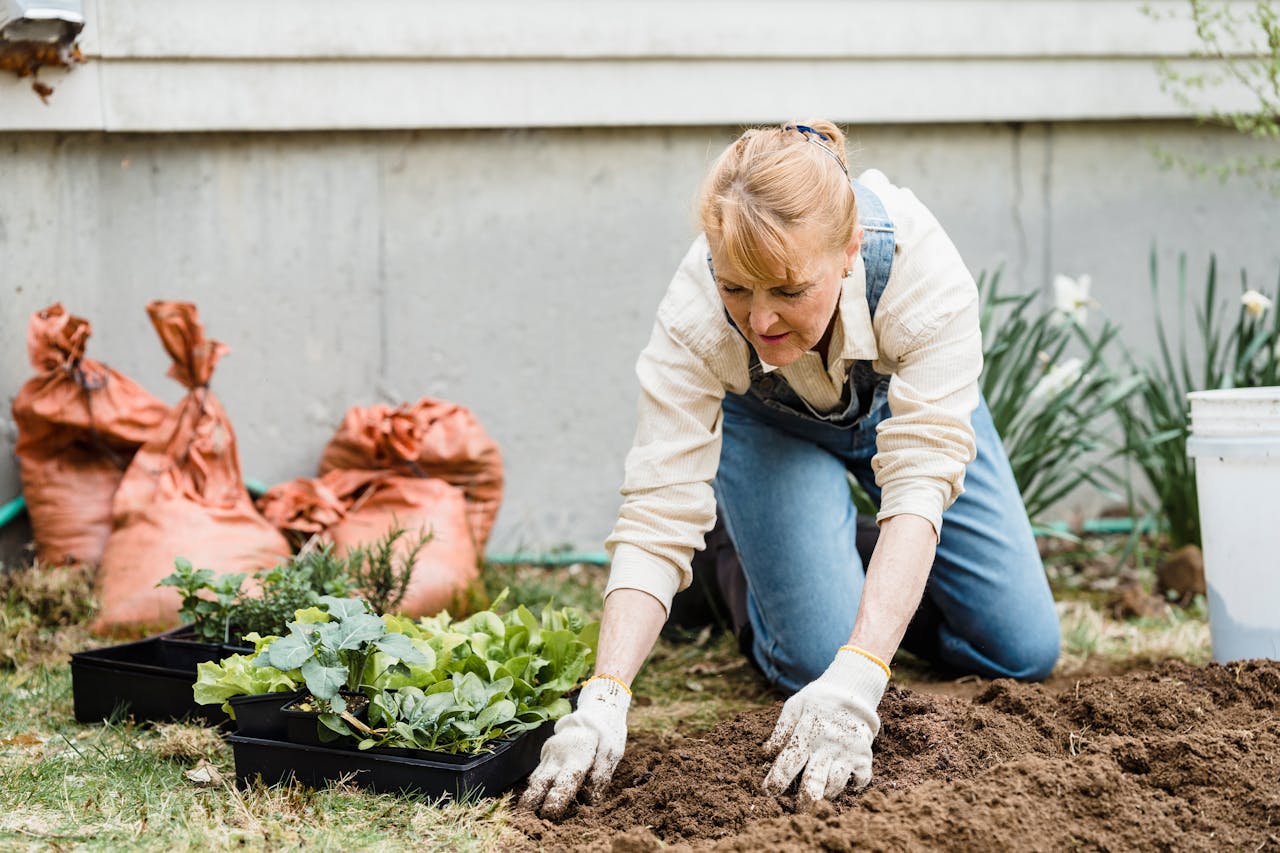
The calendar may say spring begins in March, but seasoned gardeners know that timing matters more than dates. Walk through any garden center in early March and the stacks of mulch look tempting, fresh, and ready to spread. Yet many experienced hands pause, wait, and circle back closer to mid-month. That choice does not come from habit or superstition. It comes from understanding soil, weather, and the quiet rhythm of the growing season.
Mulch does far more than make a yard look polished. It locks in moisture, blocks weeds, protects roots from temperature swings, and slowly improves soil as it breaks down. Buying and applying it at the right moment can make the difference between a thriving landscape and one that struggles through spring.
Early Spring Temptation Versus Soil Reality
Garden centers love an early start. The first warm weekend of the year draws crowds eager to shake off winter. Brightly colored bags of shredded bark, wood chips, or pine straw promise instant transformation. Still, soil does not follow store promotions. In many regions, early March soil remains cold and often soggy from winter precipitation. When gardeners lay down mulch too soon, they trap that cold in the ground. Plant roots crave warmth to wake up and grow. A thick layer of mulch over chilly soil slows that warming process and delays growth in perennials, shrubs, and vegetable beds.
Mid-March often brings more consistent daytime temperatures and longer stretches of sun. Soil begins to dry and warm naturally. Waiting a couple of weeks allows the ground to reach a healthier starting point before mulch goes down. Plants respond with stronger early growth instead of lagging behind under a cold blanket.
The Science of Soil Temperature and Root Health
Roots operate like engines. They need oxygen, moderate moisture, and warmth to function well. Cold, compacted soil restricts all three. Gardeners who rush to mulch right after the first hint of spring risk creating a barrier that slows evaporation and airflow at a time when soil needs both. When the ground stays too wet, roots can suffocate. Fungal diseases thrive in cool, damp conditions, especially around the base of shrubs and trees. Mid-March typically offers better drainage conditions in many climates, which reduces the risk of root rot and other moisture-related problems.
A simple soil thermometer, available at most garden centers, gives gardeners a clear signal. Many perennials and vegetables begin active growth when soil temperatures reach around 50 to 60 degrees Fahrenheit. Checking soil temperature before mulching removes guesswork and turns the task into a smart, informed move instead of a rushed one.
Better Selection, Better Quality
Patience often rewards gardeners with better options. Early in the season, stores stock mulch based on what arrives first from suppliers. By mid-March, inventory tends to expand. More colors, textures, and materials become available, from natural hardwood to cedar blends and pine bark. Fresh mulch smells clean and woody. It should never carry a sour or rotten odor, which can signal improper storage and the presence of anaerobic bacteria. Waiting a little longer allows time to inspect quality carefully and choose the right type for specific beds.
Organic mulches, such as shredded bark or composted wood chips, gradually break down and enrich soil structure. Inorganic options, like rubber mulch, offer durability but do not improve soil health. Choosing wisely affects long-term garden performance. A thoughtful mid-March purchase gives gardeners space to compare, ask questions, and match mulch type to plant needs.
Timing Sales and Saving Money
Mid-March also marks the start of competitive pricing in many areas. As spring demand rises, retailers run promotions to draw customers in. Bulk delivery services begin to operate at full speed, and that competition often lowers prices per cubic yard.
Buying too early can mean paying premium prices for the first shipment of the season. Waiting until mid-March allows shoppers to compare local deals and calculate exactly how much material they need. A standard rule of thumb calls for about one cubic yard of mulch to cover 100 square feet at a depth of three inches. Measuring beds before shopping prevents overbuying and reduces waste.
Some gardeners even coordinate purchases with neighbors to split delivery fees. A little planning around mid-March stretches the gardening budget and leaves room for other spring essentials like fertilizer or new perennials.
Weed Control Starts With Preparation
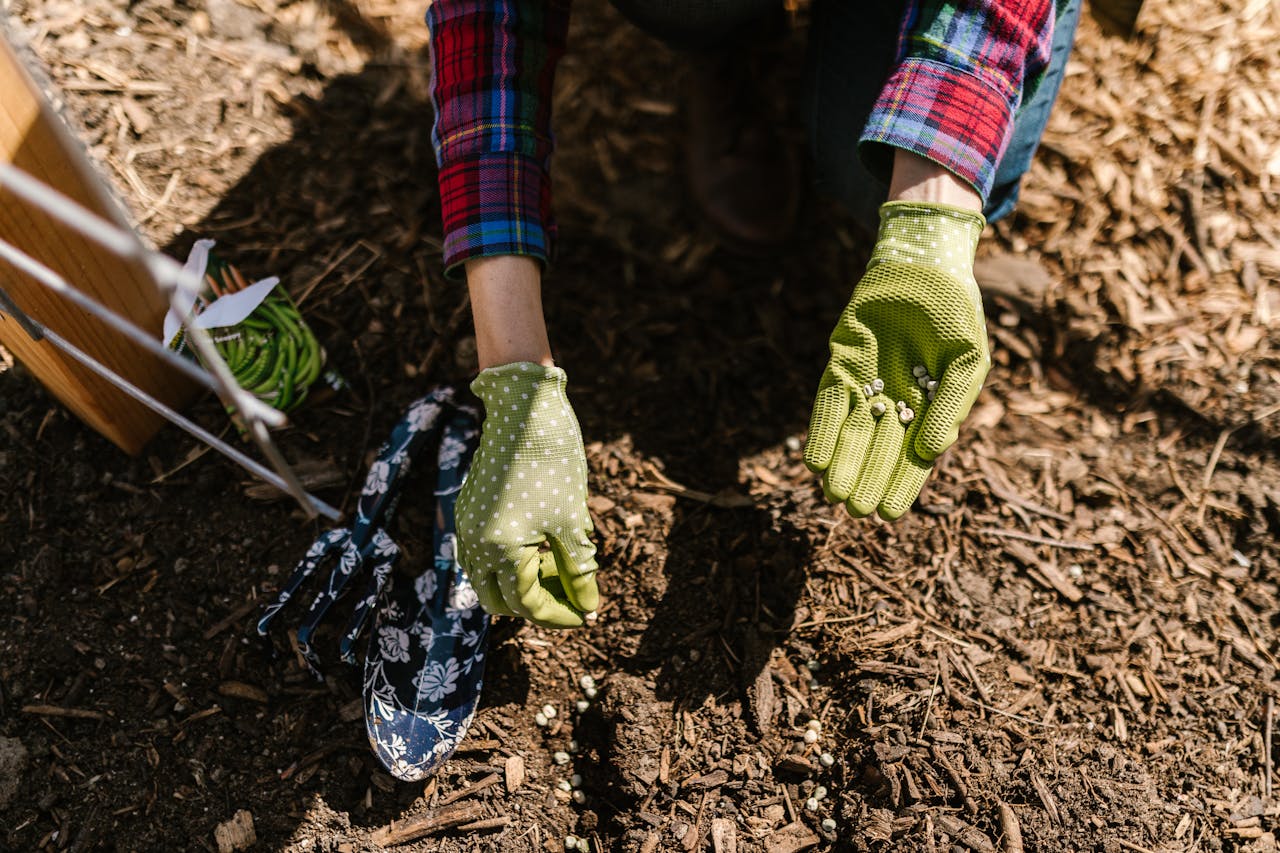
Mulch controls weeds, but only when gardeners prepare the ground properly. Throwing mulch over winter debris or early-sprouting weeds leads to frustration later. Weeds push through thin layers, and buried seeds continue to germinate if light and moisture reach them. Mid-March provides a sweet spot for prep work. Gardeners can clear dead leaves, prune back perennials, edge beds cleanly, and remove early weed growth before spreading mulch. That preparation makes mulch far more effective as a weed barrier.
Applying mulch at a depth of two to three inches blocks sunlight from reaching weed seeds. Going thicker than four inches can create moisture problems and stress plant roots. Pulling mulch a few inches away from tree trunks and plant stems prevents rot and discourages pests. Good timing paired with careful application turns mulch into a powerful, practical tool rather than a decorative afterthought.
Mulch as a Tool, Not Just a Finishing Touch
Mulch deserves more respect than it often gets. It acts as insulation during unexpected cold snaps that still occur in March and April. It reduces soil erosion during heavy spring rains. It also keeps soil from splashing onto leaves, which lowers the spread of certain soil-borne diseases. Gardeners can use mulch strategically around vegetable gardens as well. Straw or shredded leaves work beautifully between rows, keeping pathways dry and reducing mud. That simple move protects soil structure and makes early-season planting far more pleasant.
In ornamental beds, mulch defines space. It frames shrubs and flowers, giving landscapes a finished look that highlights plant color and texture. The right application transforms both health and appearance, which explains why experienced gardeners treat mulch like a key tool in the shed rather than an accessory.
Weather Patterns Matter More Than the Calendar
Mid-March does not guarantee perfect conditions everywhere, but it often aligns with more stable weather patterns. Sudden freezes become less frequent in many regions. Extended periods of rain taper off, and soil begins to balance moisture more effectively.
Gardeners who pay attention to local forecasts gain an edge. If a cold front threatens, holding off a few more days makes sense. If warm, dry conditions arrive early, applying mulch slightly ahead of mid-March may work fine. Flexibility combined with observation always beats rigid scheduling.
Regional differences play a role as well. Southern climates warm earlier, while northern areas may not reach ideal conditions until late March or even April. The key lies in watching soil and plants rather than rushing because a date on the calendar suggests action.
A Season That Rewards Patience
Mid-March stands out as a turning point for many landscapes. Lawns green up, buds swell on trees, and garden centers buzz with energy. Waiting until this moment to buy and spread mulch often sets the tone for the entire growing season.
Strong root systems, balanced moisture, fewer weeds, and healthier soil all stem from thoughtful timing. Mulch, when applied correctly and at the right time, supports every other gardening effort that follows. It protects investments in plants, water, and labor.
Spring always invites action. Yet the most successful gardens often grow from restraint and careful observation. Does the soil feel warm and workable, or does it still cling with winter’s chill? That question matters far more than the first sunny weekend of March.
The Real Secret Hides in the Timing
Gardeners who wait until mid-March to buy mulch rarely act out of habit. They act out of knowledge. They understand that soil temperature, moisture levels, product quality, and price all intersect during that window. They prepare beds thoroughly, measure carefully, and apply mulch with intention rather than impulse.
That approach turns mulch into one of the most valuable tools in the landscape. It protects roots, strengthens soil, curbs weeds, and creates a polished look that lasts through summer heat. Timing shapes results.
Will patience win out this spring, or will the first warm weekend pull your car straight into the garden center parking lot? Let’s talk about mulch in our comments.
You May Also Like…
Why Many Gardeners Start Mulching Before April
Experts Say a New Fungus Is Spreading Through Mulch in Georgia
Dog Owners Shocked After Learning Their Mulch May Be Toxic
11 Ways to Stop Mice From Nesting in Mulch
7 Winter Mulches That Actually Warm Soil Instead of Chilling It

Brandon Marcus is a staff writer for FrugalGardening.com at District Media, Inc., where he delivers practical gardening advice with a relatable, no-nonsense style. An avid amateur gardener, he holds a BA degree and with over ten years of professional writing experience, he is also an award-winning published author whose first book, Questions For Deep Thinkers, was released by Adams Media. His work has appeared in major publications including Fandom.com, CHUD.com, TheColdWire.com, and Fansided.com.
Leave a Reply