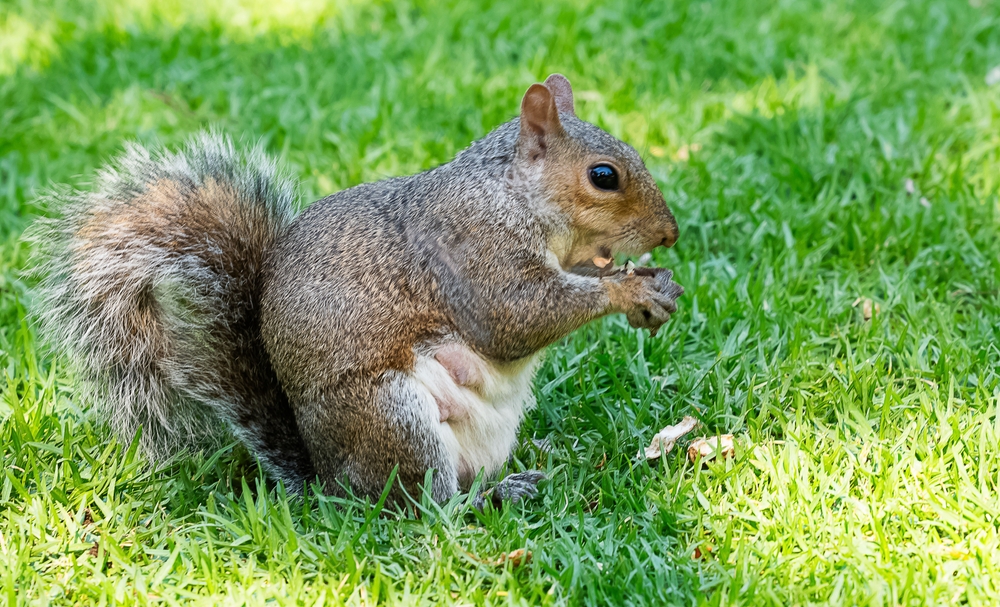
Gardening should feel relaxing, but that calm evaporates the moment you spot tiny craters scattered across your carefully tended beds. One day everything looks perfect, and the next it seems like a miniature excavation crew clocked in overnight. Squirrels are clever, persistent, and oddly confident about their right to redecorate your soil.
Instead of declaring defeat or shaking a fist at the fence, it’s time to outsmart them. With the right mix of strategy, patience, and a little humor, you can protect your garden without turning it into a fortress.
1. Understand Why Squirrels Dig In The First Place
Squirrels aren’t digging just to annoy you, even though it can feel personal. They are usually burying food, searching for bulbs, or investigating freshly turned soil that looks promising. Newly planted beds are especially tempting because loose earth signals opportunity. Once you understand this motivation, prevention starts to make more sense.
The goal isn’t punishment, but disruption. When digging becomes inconvenient or unrewarding, squirrels quickly move on to easier options. Knowing their habits helps you choose solutions that actually work.
2. Cover Soil With Mulch They Dislike
Not all mulch is created equal when it comes to squirrel behavior. Soft, fluffy mulch feels like an invitation to dig and stash snacks. Coarser materials such as bark chips, pinecones, or rough wood mulch are much less appealing under tiny paws. These textures make digging uncomfortable and slow.
Over time, squirrels learn that your beds are not worth the effort. Mulch also benefits your plants, so this method pulls double duty in the garden.
3. Use Physical Barriers Strategically
Sometimes the simplest solution is a physical one. Chicken wire, garden mesh, or hardware cloth placed just under the soil surface can block digging entirely. Plants can grow through the openings, but squirrels can’t get their paws down deep enough to cause trouble.
This approach works especially well for bulbs and newly planted areas. It may not be glamorous, but it’s effective and long-lasting. Think of it as quiet, invisible armor for your garden.
4. Plant Squirrel-Resistant Favorites
Certain plants naturally discourage squirrels with strong scents or textures. Alliums, daffodils, lavender, and mint are popular choices that squirrels usually avoid. Mixing these into your beds can act as a subtle deterrent. The smell alone can be enough to send squirrels elsewhere. Plus, these plants add beauty and variety to your garden. It’s a gentle, natural way to influence behavior without constant maintenance.
5. Try Natural Scent Deterrents
Squirrels rely heavily on their sense of smell, which gives gardeners an advantage. Strong scents like garlic, vinegar, or peppermint oil can make beds less inviting. These scents don’t harm plants when used properly, but they do confuse and irritate curious squirrels. Reapplication is usually necessary after rain. While it requires a little effort, many gardeners find this method surprisingly effective. Think of it as setting up invisible “no digging” signs.
6. Keep Soil Firm And Undisturbed
Freshly turned soil practically advertises itself to squirrels. After planting, gently tamp down the soil to make it firm. This removes the fluffy texture squirrels love. Adding a thin layer of gravel or small stones can help even more. A tidy, compact surface looks less like a storage site for snacks. The less inviting your soil appears, the fewer surprise holes you’ll find.
7. Remove Temptations From Nearby Areas
Sometimes the problem isn’t just your garden beds. Bird feeders, fallen nuts, or open compost piles nearby can attract squirrels in large numbers. Once they’re in the area, your beds become collateral damage.
Relocating feeders or cleaning up excess food can reduce traffic. Fewer squirrels around means fewer digging attempts. Always remember that prevention often starts beyond the garden itself.
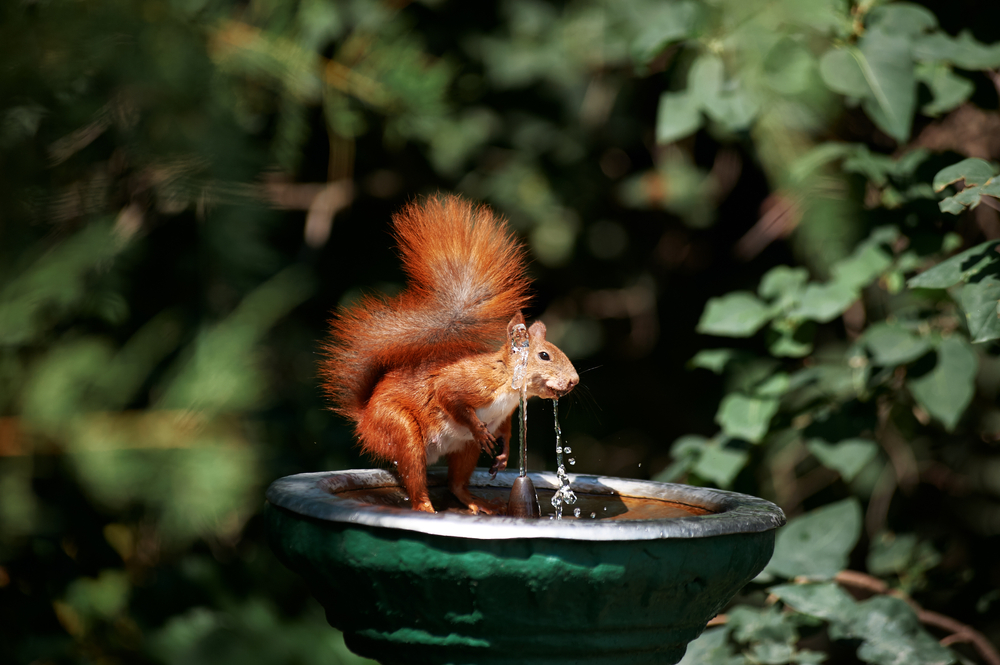
8. Use Motion And Sound As A Deterrent
Squirrels are alert and cautious by nature. Sudden movement or noise can make them uneasy. Motion-activated sprinklers are especially effective because they surprise without harming. Even simple items like pinwheels or reflective objects can help.
The key here is variety, since squirrels can get used to static objects. Changing things up keeps them guessing and keeps your beds intact.
9. Water Smartly And Consistently
Dry, loose soil is easier for squirrels to dig. Regular watering helps keep soil heavier and more compact. Moist soil is less appealing for burying food. This method works best when combined with others, but it’s a helpful supporting tactic. As a bonus, your plants benefit from consistent moisture. Healthy plants and squirrel-resistant beds make a strong team.
10. Be Patient And Persistent
No single method works overnight, and squirrels are nothing if not stubborn. Success usually comes from combining several approaches. If one tactic loses effectiveness, rotate in another. Over time, squirrels learn that your garden is more trouble than it’s worth. Consistency is what seals the deal. Stick with it, and your beds will slowly reclaim their peace.
Reclaim Your Garden With Confidence
Keeping squirrels out of your garden beds is less about battle and more about clever problem-solving. With the right mix of barriers, scents, and smart planting choices, you can protect your hard work without constant frustration. Gardening should feel rewarding, not stressful.
If you’ve found a method that worked especially well or have a memorable squirrel encounter, we’d love to hear your thoughts and stories in the comments section below.
You May Also Like…
11 Things Rodents Use to Sneak Into Your Garden Shed
7 Garden Layout Ideas That Fix Common Mistakes Instantly
8 Backyard Birds You Can Attract Without Creating a Pest Problem
How to Catch Hidden Pests Before They Invade Your Shed This Winter
Why Stopping Lawn Care Too Early Could Invite Pests and Fungus

Brandon Marcus is a staff writer for FrugalGardening.com at District Media, Inc., where he delivers practical gardening advice with a relatable, no-nonsense style. An avid amateur gardener, he holds a BA degree and with over ten years of professional writing experience, he is also an award-winning published author whose first book, Questions For Deep Thinkers, was released by Adams Media. His work has appeared in major publications including Fandom.com, CHUD.com, TheColdWire.com, and Fansided.com.
Leave a Reply