
Spring rain should feel refreshing, not like a stress test for your yard. Yet every year, countless gardens turn into soggy obstacle courses just as plants are gearing up to grow. Too much water hanging around underground can quietly sabotage roots, invite disease, and leave your soil gasping for air. Drainage issues often hide in plain sight, sending clues long before serious damage sets in.
If your yard has ever felt more swamp than sanctuary, it may be trying to tell you something. Let’s dig into the unmistakable signs your soil needs better drainage before the rain clouds roll in.
1. Persistent Puddles That Refuse To Leave
Standing water that lingers long after a rainfall is one of the loudest warnings your soil can give. Healthy soil absorbs and moves water downward within a day, not several. When puddles stick around, it means water has nowhere to go and roots are sitting in soggy conditions.
This lack of oxygen can slowly suffocate plants even if they look fine at first. Over time, grass thins out and garden beds struggle to thrive. If you find yourself tiptoeing around mini ponds days after rain, drainage deserves immediate attention.
2. Soil That Feels Spongy Or Slimy Underfoot
Walking across your yard shouldn’t feel like stepping on a soaked sponge. When soil stays saturated, it compresses and traps water instead of letting it flow. This creates a slick, slimy texture that’s a nightmare for roots trying to breathe. Compacted, wet soil also makes it harder for beneficial microbes to do their job. Plants growing in these conditions often stall or show stress without an obvious cause. That squishy feeling is a strong signal that water is overstaying its welcome.
3. Yellowing Leaves Despite Regular Care
Yellow leaves are often blamed on nutrient problems, but drainage issues are a common hidden culprit. Excess water flushes nutrients away before plants can absorb them. At the same time, roots sitting in waterlogged soil struggle to take up what remains. This double hit leaves foliage pale, limp, or oddly blotchy. Even well-fertilized gardens can look undernourished when drainage is poor. If yellow leaves appear alongside soggy soil, water movement is likely the real issue.
4. Mushrooms And Fungal Growth Taking Over
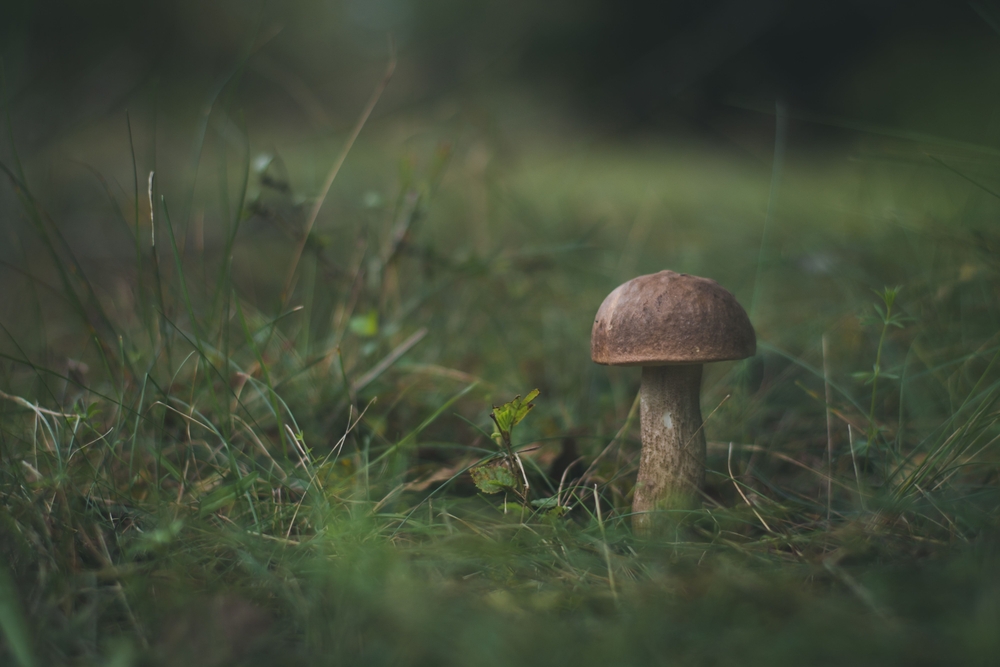
A sudden explosion of mushrooms may look whimsical, but it’s a sign of consistently damp conditions. Fungi thrive where moisture lingers and organic matter breaks down slowly. While mushrooms themselves don’t usually harm plants, they point to soil that stays wet far too long.
These conditions can also encourage harmful fungal diseases that attack roots and stems. When fungi become regular garden guests, drainage improvements can help restore balance. Think of mushrooms as nature’s way of waving a red flag.
5. Plants With Stunted Or Shallow Root Systems
Healthy plants grow roots deep and wide in search of water and nutrients. In poorly drained soil, roots stay close to the surface to avoid suffocation. This makes plants more vulnerable to drought, heat, and wind later in the season. Shallow roots also mean weaker overall growth and reduced resilience. You might notice plants toppling easily or failing to reach their expected size. If roots seem reluctant to explore downward, soggy soil is often to blame.
6. Soil Crusting Or Hardening After Rain
It may seem odd, but poor drainage can lead to soil that hardens like concrete once it dries. When water sits on the surface, fine particles rise and compact as moisture evaporates. This creates a crust that repels water during the next rain, making drainage even worse. Seeds struggle to break through, and water runs off instead of soaking in. The cycle repeats with every storm. Crusting soil is a clear sign that water movement underground needs serious help.
7. Unpleasant Odors Coming From The Ground
Healthy soil smells earthy and fresh, never sour. When drainage fails, oxygen disappears and anaerobic bacteria take over. These microbes produce unpleasant odors similar to rotten eggs or decay. That smell is a sign roots are under stress and organic matter is breaking down improperly. Over time, this environment damages soil structure and plant health. If your garden smells off after rain, it’s time to improve how water flows away.
8. Lawn Or Garden Areas That Always Look Stressed
Some spots in a yard seem cursed, no matter how much care they get. Grass stays thin, plants wilt, and growth never quite catches up. These trouble areas often sit in low points or dense soil where water collects. Even drought-tolerant plants can struggle when roots stay wet too long.
Repeated failures in the same locations usually point to drainage, not bad luck. Addressing water movement can finally turn those problem zones around.
Listen To What Your Soil Is Telling You
Soil has its own language, and drainage problems speak loudly if you know what to watch for. From stubborn puddles to stressed plants and strange smells, these signs appear long before spring rains cause serious damage. Improving drainage now can protect roots, boost growth, and make your garden far easier to manage. Every yard has its quirks, and recognizing them is half the battle.
If you’ve noticed any of these signs or have dealt with soggy soil before, drop your thoughts or experiences in the comments below.
You May Also Like…
The $3 Soil Test That Could Save Your Spring Garden—And It’s Not Sold at Big Box Stores
Why You Shouldn’t Trust TikTok’s ‘No-Dig’ Method in Clay Soil
Why You Need to Check Soil Drainage Before the First Freeze
7 Mistakes That Are Killing Your Raised Beds Before Spring Even Starts
Soil Test Warning: What North Carolina Gardeners Are Finding in Their Yards This January

Brandon Marcus is a staff writer for FrugalGardening.com at District Media, Inc., where he delivers practical gardening advice with a relatable, no-nonsense style. An avid amateur gardener, he holds a BA degree and with over ten years of professional writing experience, he is also an award-winning published author whose first book, Questions For Deep Thinkers, was released by Adams Media. His work has appeared in major publications including Fandom.com, CHUD.com, TheColdWire.com, and Fansided.com.
Leave a Reply